
Last updated November 4, 2026
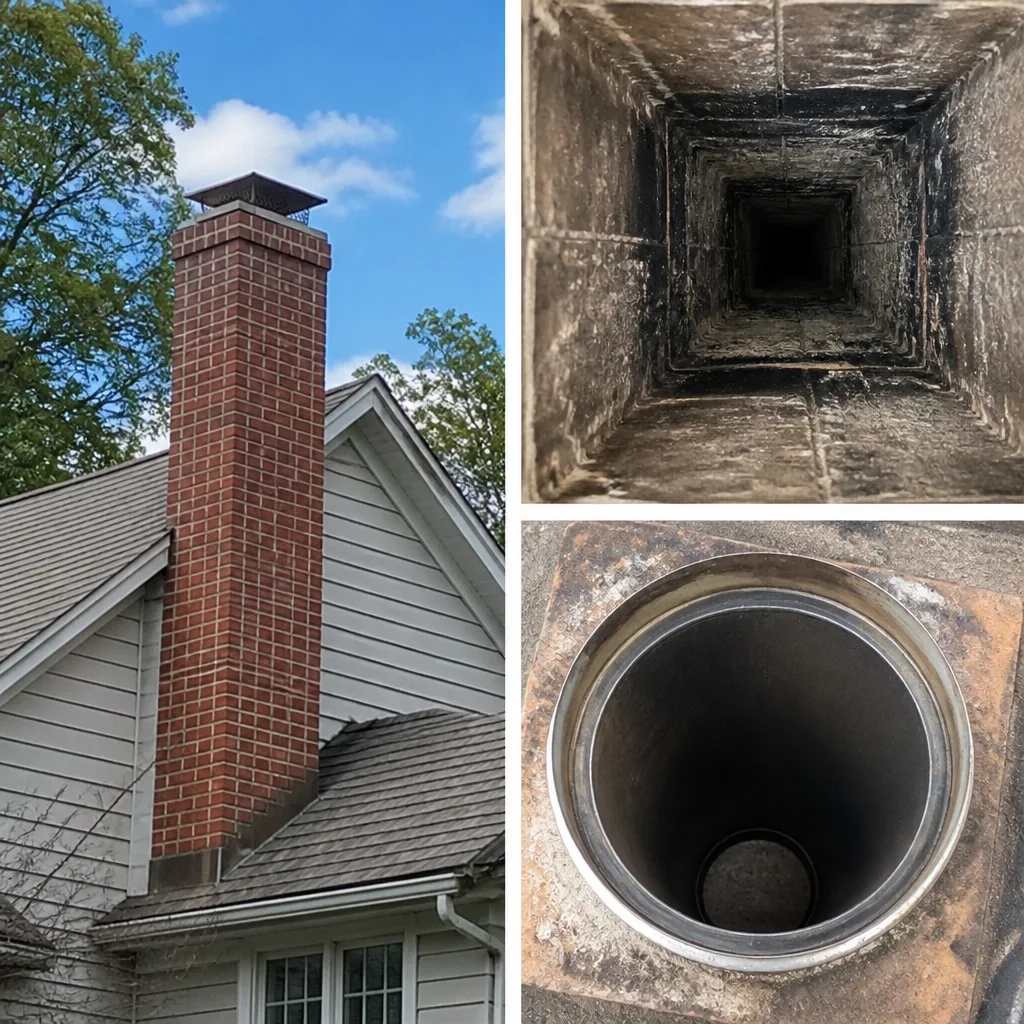 Sweep & inspection
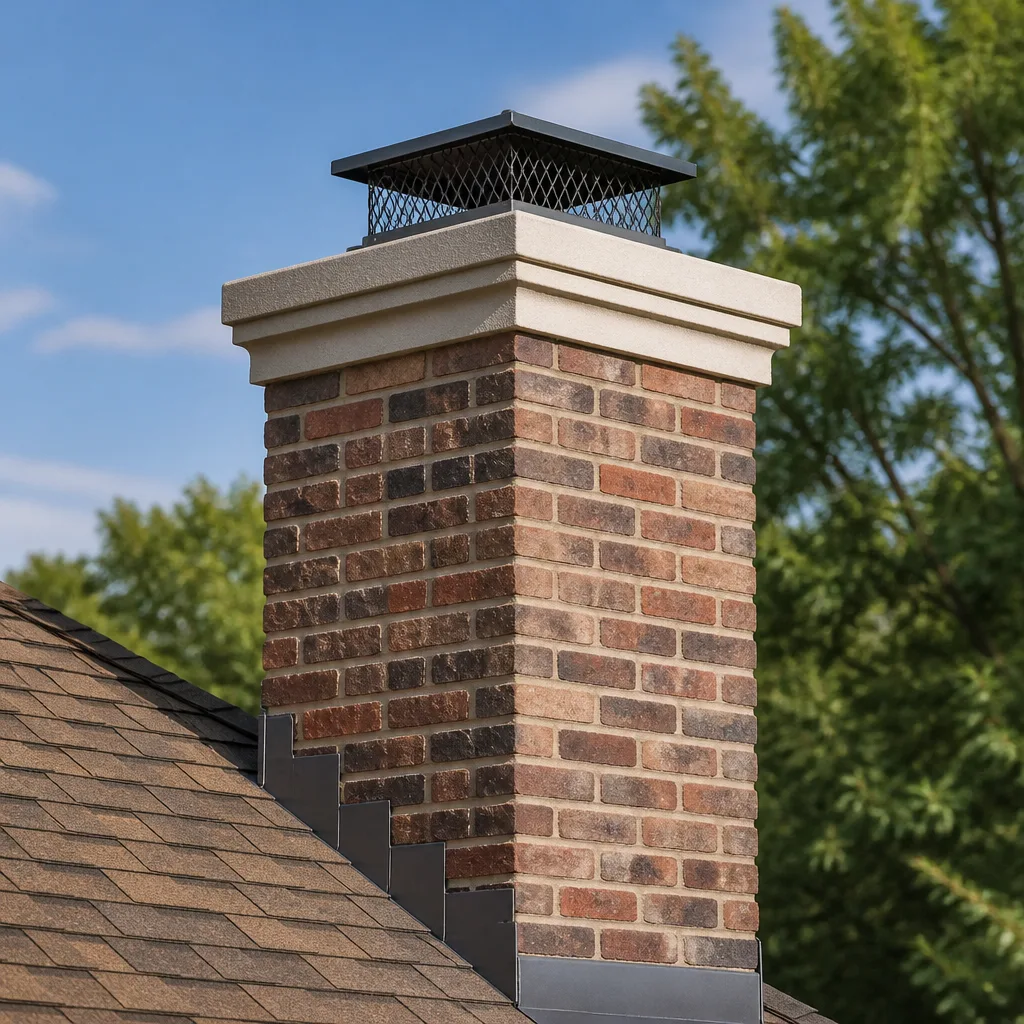 Caps & crowns
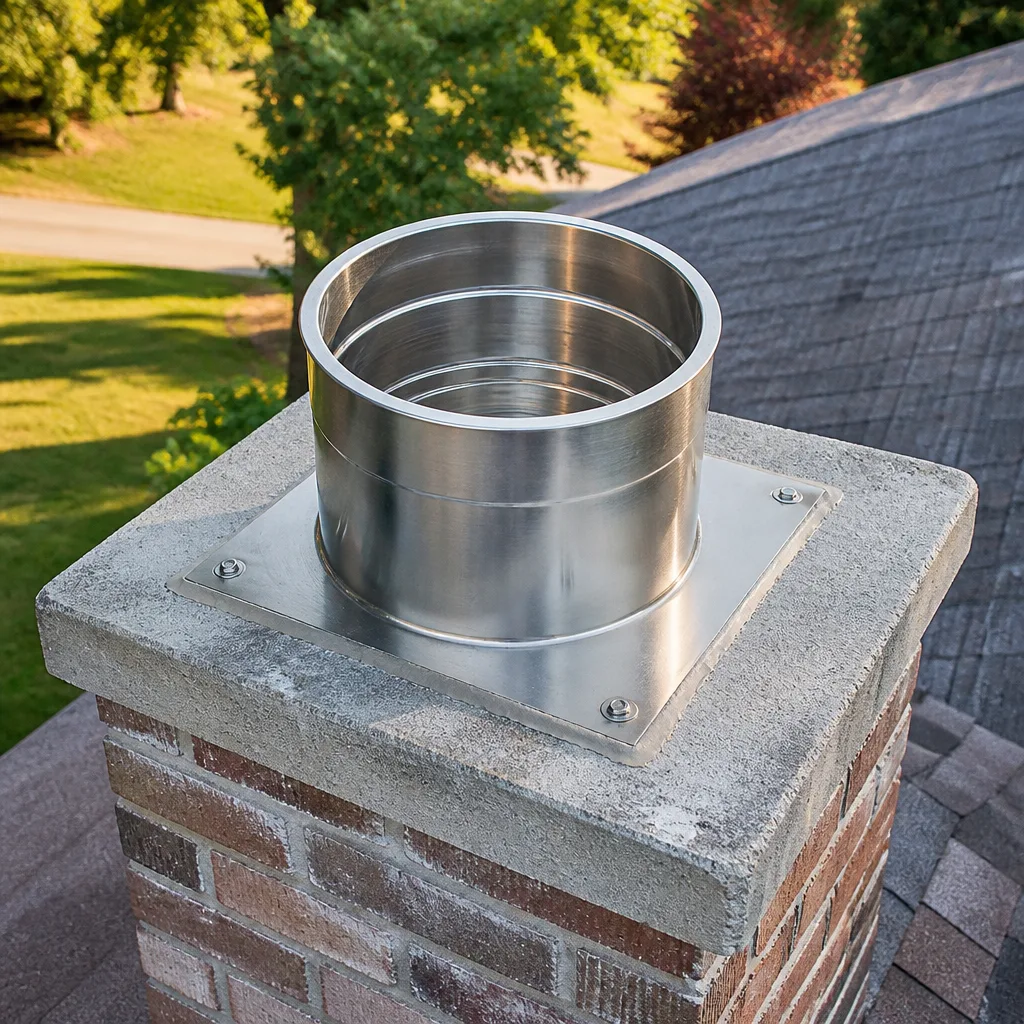 Flue relining
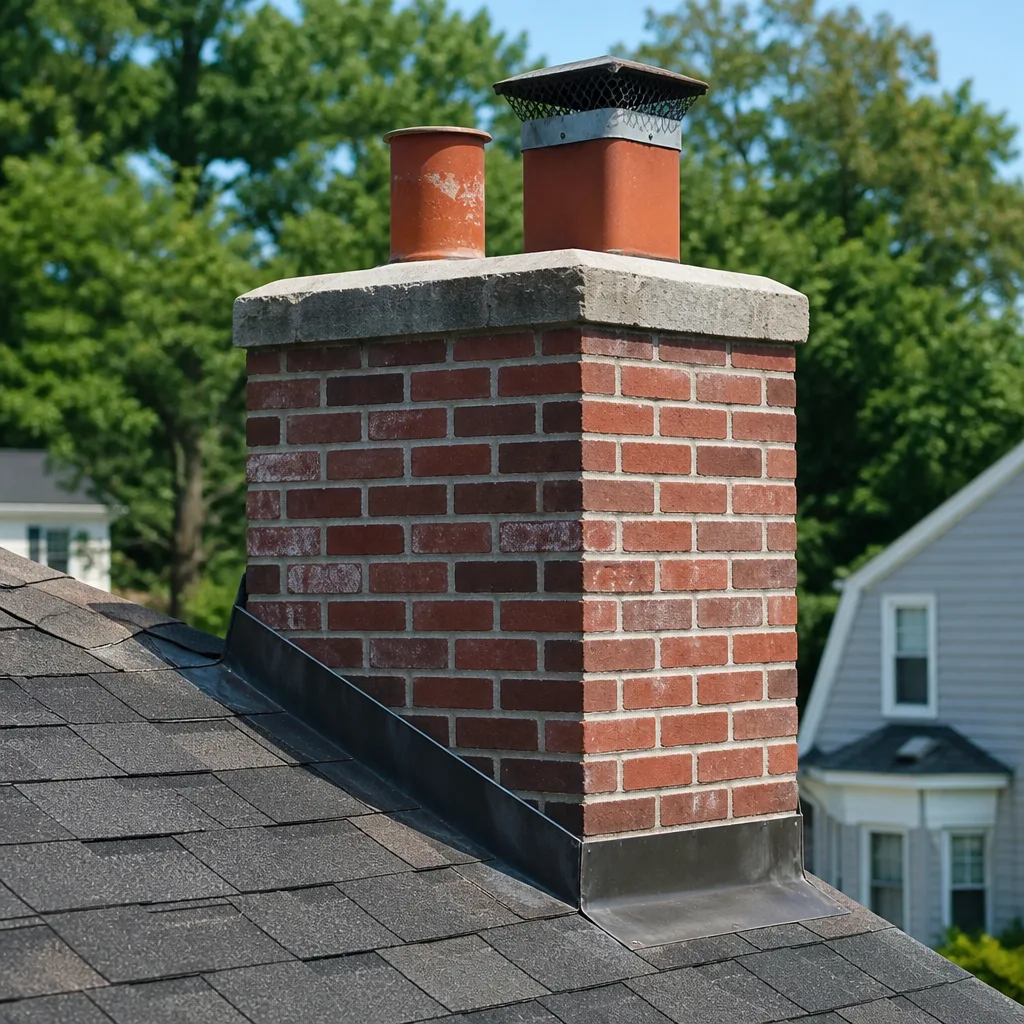 Masonry repair
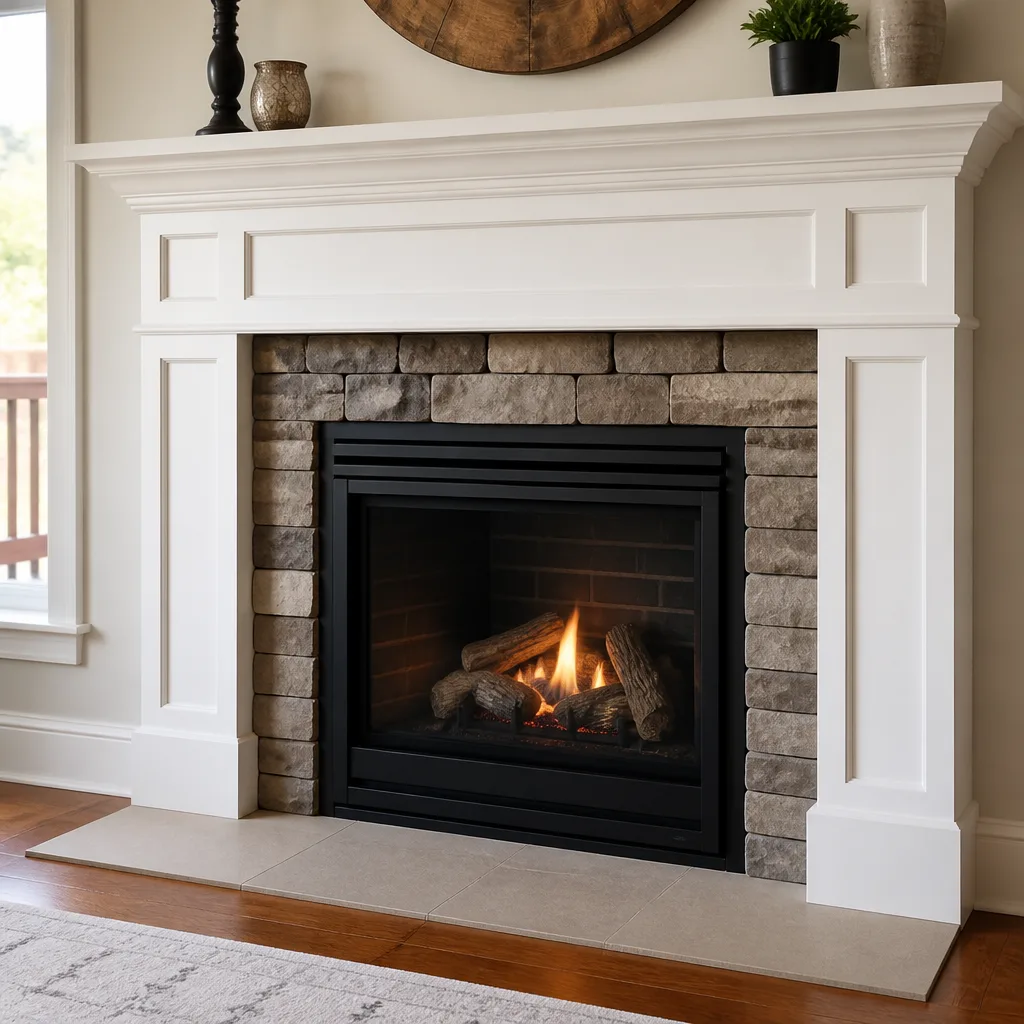 Gas fireplace service
Level 1 sweep and inspection to the NFPA 211 annual standard - flue, crown, cap, and flashing checked and photographed
Chimney sweep logs do not sweep chimneys. They loosen some creosote - which then falls where a brush and vacuum still have to collect it.
Choosing the Right Chimney Cleaning Brand: A Buyer’s Guide for Apple Valley
Most homeowners shopping for a chimney sweep in Apple Valley ask about price first and process second. Few think to ask what brands are in the technician’s kit. That’s a mistake. The products a sweep stocks tell you more about their service standard than any marketing claim. A company using professional-tier materials from manufacturers like Gelco or HeatShield has made a deliberate cost decision: these products cost more to source than generic alternatives from big-box distributors. A sweep who can’t name the brush brand in their kit or the rod material they use for your flue type is operating on price, not specification. In a desert climate where heat and UV accelerate material degradation, that difference shows up faster than it would in a more forgiving environment. This guide gives you a working vocabulary of chimney cleaning products and brands so you can ask the right questions and filter contractors by their answers.
Quick Answer
Choosing the right chimney cleaning brand in Apple Valley means looking past the service name and asking what products the contractor actually stocks. Professional-tier brands like Rutland, Gelco, and HeatShield signal higher material standards, proper liner-compatibility knowledge, and a service built around specification rather than whatever is cheapest. Ask any sweep you’re considering to name their brush materials, their sealant brand, and their creosote treatment products. Specific, confident answers are a qualification signal. Vague answers are a red flag.
Styles & brands we work with
- Sweep & inspection
- Caps & crowns
- Flue relining
- Masonry repair
- Gas fireplace service
Table of Contents
- Brush Materials: Polypropylene, Wire, and Nylon
- Chimney Sealant Tiers: ChimneySaver vs. Generic Masonry Sealers
- The HeatShield Ceramic Resurfacing System
- Creosote Chemical Treatments: Rutland C-1 and Anti-Creo-Soot
- How to Use Brand Names as a Qualification Filter
- Why Apple Valley’s Climate Makes Product Choice Matter More
- What a Specification-Grade Service Looks Like
- Common Mistakes to Avoid
Brush Materials: Polypropylene, Wire, and Nylon
Chimney brushes are not interchangeable. The material of the brush head and the rod system that drives it must match the flue type. Using the wrong brush can scratch a stainless liner, fail to remove glazed creosote, or simply not reach the full length of the flue. A sweep who stocks only one brush type is telling you something about how many flue configurations they’re actually prepared to handle.
Here’s how the three main brush materials break down:
- Polypropylene brushes: The most common choice for stainless steel liners. The plastic bristles are firm enough to remove soot and stage-one creosote but soft enough that they won’t scratch or score the liner surface. Most professional sweeps use polypropylene for routine maintenance on both masonry chimneys with stainless liners and factory-built fireplace systems.
- Wire brushes: Made from steel or stainless steel, these are for masonry flues with heavy creosote buildup. Wire brushes should never be used on stainless liners, they’ll scratch the surface and create pits where creosote and moisture can collect. A sweep using wire on a stainless liner doesn’t understand liner metallurgy.
- Nylon brushes: The softer option, used for light soot removal or on older, more fragile flue surfaces where even polypropylene might be too aggressive. Nylon is also common for cleaning dryer vents, where the duct material is thin aluminum or flexible foil.
The rod system matters too. Professional sweeps use sectional rods made from fiberglass or polypropylene that screw together to match the flue length precisely. Cheap one-piece rods or universal brush kits from hardware stores simply don’t give the control or reach of a modular professional system. When you ask a chimney sweep what brush they’d use for your flue, listen for material names and liner compatibility. A good answer names the material and explains why it’s appropriate for your specific chimney type, not just “whatever works.”
Chimney Sealant Tiers: ChimneySaver vs. Generic Masonry Sealers
The exterior of your chimney absorbs water. In Apple Valley’s high-UV, low-humidity climate, that water absorption cycle looks different than in wetter regions, but it’s still the primary driver of masonry deterioration. When moisture gets into brick and mortar, the temperature swings between day and night cause expansion and contraction. Over years, that stress opens hairline cracks, spalls brick faces, and weakens mortar joints.
Not all chimney sealants address this equally. The difference comes down to permeability and molecular chemistry.
Generic masonry sealers, the kind available at home centers, are typically film-forming acrylic coatings. They sit on the surface of the masonry and create a water barrier. That sounds fine, but here’s the problem: a film-forming sealer also blocks water vapor from escaping the masonry from the inside. Brick and mortar are porous, and if moisture inside can’t escape, it gets trapped behind the sealer, where it can cause more damage than no sealer at all. Trapped moisture plus heat equals accelerated spalling.
ChimneySaver is a different chemistry. It’s a siloxane-based penetrating sealer. Siloxane molecules are small enough to penetrate into the masonry pores and bond chemically with the substrate. This creates what’s called a hydrophobic barrier, water can’t get in from outside, but water vapor inside can still escape. The masonry can breathe. That breathability is what makes the product worth specifying over a generic acrylic, especially in a desert climate where the sun bakes moisture out of masonry and a trapped-vapor situation can be particularly damaging.
VOC content is another factor. High-VOC sealers off-gas solvents that are unpleasant to apply and worse to have around your home. Low-VOC, water-based siloxane sealers are better for both the applicator and the homeowner. When you’re evaluating a chimney contractor in Apple Valley, ask what sealant they use and whether it’s penetrating or film-forming. A sweep who says “ChimneySaver” and can explain why penetrating chemistry matters knows more than someone who says “a waterproofing sealer from the hardware store.”
Our approach at Chimney Sweep Apple Valley is to specify penetrating sealers by default. The material cost is higher, but the failure mode of a film-forming sealer isn’t worth the savings in a climate where masonry sits under relentless UV exposure.
The HeatShield Ceramic Resurfacing System
HeatShield is a ceramic flue resurfacing system, and it’s one of the most useful specifications in chimney repair today. Most homeowners haven’t heard of it, which is unfortunate, because it sits exactly in the middle ground between a basic sweep and a full reliner replacement.
Here’s the context. Flue liners made from traditional clay tile or terra cotta eventually crack or deteriorate. The causes vary: heat stress from repeated fires, moisture damage, age, or improper construction. Once a liner is cracked, the chimney can’t safely handle the heat and gases it was designed for. Gases can escape through cracks into the chimney’s interior structure, and in worst-case scenarios, heat can reach combustible materials around the chimney.
The traditional fix for a failed clay liner is a full reliner replacement: pull out the old clay tiles and install a new stainless steel liner system. That’s a significant job. It works, but it’s invasive and expensive.
HeatShield works differently. Instead of removing the old liner, a certified applicator resurfaces the existing flue from the inside. The material is a ceramic-cement compound applied with specialized equipment to coat the flue walls. Once cured, it creates a new, smooth, insulated, code-compliant surface inside the existing liner profile. The old liner stays in place as structural backing, while the HeatShield provides the actual containment layer.
What flue conditions does HeatShield address? It’s most commonly specified for hairline cracking, minor spalling, or general deterioration in clay tile liners where the structural integrity of the chimney itself is still sound. It’s also a good option for improving the smoothness and draft characteristics of an older flue. What it doesn’t address is severe structural failure: if the liner has collapsed, if the bricks around it are shifting, or if there’s significant offset damage, a full reliner is the correct specification.
The skill differentiator with HeatShield is application. It’s not a product you buy and apply with a brush. It requires manufacturer training, specialized pumping and troweling equipment, and experience judging when the existing flue is a suitable candidate. A contractor who lists HeatShield capability is signaling that they’ve invested in training beyond basic sweeping and hold themselves to a repair standard that includes intermediate options between “it’s fine” and “replace everything.”
For Apple Valley homeowners, that’s a meaningful distinction. The cost of a full reliner can be substantial, and not every cracked liner requires it. An experienced tech who knows how to evaluate and apply HeatShield can often recommend a resurfacing job at a fraction of the cost, extending the life of the existing chimney without compromising safety. That’s the kind of judgment call that comes from working with professional-tier materials, not from a price-driven checklist.
Creosote Chemical Treatments: Rutland C-1 and Anti-Creo-Soot
Creosote is the residue left behind when wood burns incompletely. It forms in stages. Stage one is a flaky, soot-like deposit. Stage two is a sticky, tar-like glaze. Stage three is the dangerous one: a hardened, glossy coating that’s highly combustible and difficult to remove mechanically. A chimney fire is, in most cases, a creosote fire.
Chemical creosote treatments are designed to alter creosote chemistry so it’s easier to remove during a sweep, or in some cases, to slow the accumulation between cleanings. They do not replace mechanical sweeping. Any company that tells you a spray or powder will “clean” your chimney without a physical sweep is misleading you.
Two product categories dominate the residential market: Rutland C-1 and anti-creo-soot (ACS) treatments.
Rutland C-1 is a catalytic treatment. It works by changing the chemical structure of creosote deposits so they become less sticky and more brittle. The active chemistry attacks the bond between creosote and the flue wall, making the deposit easier to dislodge during the next mechanical sweep. It’s most effective on stage one and early stage two deposits. It’s typically applied by spraying onto the fire or the wood itself, and there are also application methods for applying directly to the flue.
Anti-Creo-Soot (ACS) works on a different principle. It’s a manganese-based catalyst that lowers the ignition temperature of creosote so that it burns off during normal fireplace operation. The product is sprayed onto the fire or the logs, and as the fire burns, the ACS-treated creosote combusts more completely instead of accumulating. ACS is useful for keeping deposits from building up between professional cleanings, but like C-1, it’s not a substitute for sweeping. Its effectiveness depends on regular fire use, and it works best when the fireplace is operated hot enough to trigger the catalytic reaction.
What stage is each engineered for? C-1 is strongest on existing deposits, particularly the early, softer stages. ACS is more of a maintenance product, applied periodically during the burning season to reduce new buildup. Neither product is appropriate for stage three creosote. Once creosote has hardened into that glossy, tar-like state, no chemical treatment will safely remove it. It requires mechanical removal by a professional, often with specialized rotary tools or chemical pre-treatment followed by aggressive mechanical action.
The professional standard is this: a sweep should know the difference between C-1 and ACS, know which deposit stages each addresses, and recommend treatment based on what they actually see during an inspection, not on a one-size-fits-all upsell. Camera inspection before and after the sweep is the only way to verify that the creosote is actually gone. A sweep who applies a chemical and calls it done without a post-treatment visual check is cutting a corner.
How to Use Brand Names as a Qualification Filter
Here’s a practical system for vetting any chimney service in Apple Valley before you book. It takes five minutes on the phone.
The principle is simple: professional-tier product brands cost more than generic alternatives, so a contractor who stocks them has chosen to spend more on materials. That choice reflects a service standard, not just a purchasing decision. Ask specific questions and listen for specific answers.
- Ask what brush material they use for stainless liners. A competent answer is “polypropylene” or “we use poly brushes on stainless and wire only on masonry.” A weak answer is “we use whatever works” or “all brushes are basically the same.”
- Ask what sealant brand they specify for masonry chimneys. Listen for “ChimneySaver,” “siloxane,” or “penetrating sealer.” If they say “we use what the hardware store carries,” that’s a data point, not a disqualification, but it tells you their material standard.
- Ask if they offer HeatShield for liner resurfacing. Not every company does, and not every chimney needs it. But a company that can articulate when HeatShield is appropriate versus when a full reliner is required has done the training and the jobs. A company that says “we don’t do that” is fine to hire for a sweep. A company that says “you can just reline everything and it’ll be fine” is oversimplifying.
- Ask what creosote treatment they use. Rutland C-1 and anti-creo-soot are the two names to know. If they name a specific product and can explain what deposit stage it’s for, they’re operating at a professional level. If they say “we don’t use chemicals, we just sweep it,” that’s actually a legitimate answer for routine maintenance. Chemicals are an adjunct, not a requirement. But if they try to sell you a $200 “chemical cleaning” as a substitute for a sweep, that’s a problem.
- Ask what caps, dampers, and accessories they stock. Famco and Copperfield are two professional-grade manufacturers of chimney caps, dampers, and related accessories. A company that stocks these brands is sourcing from chimney-specific suppliers, not generic home centers. The quality difference shows up in fitment and durability.
The goal isn’t to interrogate the contractor. It’s to see whether they can hold a conversation about materials. A sweep who lights up when you ask about brush materials and liner compatibility is a sweep who thinks about their work. A sweep who brushes off the question with “don’t worry about it, we’ll handle everything” is telling you they’d rather you not look behind the curtain.
We keep our truck stocked with the brands we’ve named in this guide, not because they’re the only good options, but because they’re the ones we’ve verified through repeated use across hundreds of Apple Valley chimneys. Brushes, rods, sealants, treatment products, caps, dampers, the whole kit. That’s the standard. If another contractor can match it with different brands, fine. The point is that you’re asking and they’re answering.
Why Apple Valley’s Climate Makes Product Choice Matter More
Apple Valley sits in the high desert of the Victor Valley, and the climate here creates specific challenges for chimney systems that homeowners in coastal or forested regions don’t face. Understanding those challenges helps explain why product specification matters more here than in, say, a mild coastal climate.
First, the UV exposure. Apple Valley gets intense sun for most of the year. That solar radiation breaks down exterior masonry sealers, roof flashing, and chimney caps faster than the product warranty might suggest. A penetrating siloxane sealer holds up better under UV than a film-forming acrylic because the chemical bond is inside the masonry, not sitting on the surface where UV can degrade it. This is not a theoretical distinction. We’ve seen generic sealers start to chalk and peel within a few years of desert sun exposure.
Second, the temperature swings. Desert climates are famous for hot days and cool nights. In Apple Valley, a 30-degree temperature differential between daytime high and nighttime low is routine. That daily thermal cycling stresses every material that expands and contracts at a different rate than the masonry around it. Chimney caps warped by heat, mortar joints opened by repeated expansion-contraction cycles, and flue liners stressed by differential heating are all common findings here. Products chosen without regard for that thermal cycling fail early.
Third, the air is dry. That sounds like a good thing for chimneys, and in some ways it is, less moisture means less freeze damage. But dry air also means masonry that retains whatever moisture it does absorb for behaviorally different reasons. When a rare rain does come through Apple Valley, the water hits masonry that’s been baked dry for months. The absorption behavior is different than in a chronically damp climate, and the evaporation cycle is faster. A sealant that allows proper vapor transmission while blocking liquid water intake is doing a more precise job here than it would in a wetter climate.
Fourth, and this one matters for product brands: dust and grit. The desert generates fine airborne particulates constantly. That dust gets into everything, including open chimney flues, damper assemblies, and cap mesh. Products with tight tolerances, quality mesh on chimney caps, properly seating dampers from a manufacturer like Famco or Copperfield, hold up better in a dusty environment than cheap stamped-metal alternatives that warp and bind.
For Apple Valley homeowners specifically, the takeaway is this: a product that works fine in a mild climate may fail prematurely here. Professional-grade materials are more expensive partly because they’re engineered for extreme conditions. The desert qualifies.
What a Specification-Grade Service Looks Like
You’ve now got a working vocabulary of chimney cleaning products and brands. The question is what a service built around those products looks like in practice. If you’re going to pay for professional-grade materials, you should expect a professional-grade process to match.
- Inspection before sweeping. The technician looks at the flue condition, measures the liner dimensions, checks for obstructions, and notes any signs of damage or deterioration. This includes a camera inspection where possible. You can’t specify the right brush or treatment without seeing what you’re working with.
- Product selection based on findings. The brush material is chosen for your liner type. The treatment product, if any, is chosen for the creosote stage observed. The sealant is recommended based on masonry condition, not a default upsell.
- Mechanical sweeping. This is the work itself. The brush is run through the flue, the firebox is cleaned, and the soot and creosote are contained and removed. A professional setup uses drop cloths, HEPA filtration on vacuums, and leaves the home as clean as it was found.
- Post-sweep verification. The flue is inspected again to confirm the creosote is gone. This is where camera inspection proves its worth: you can see the results yourself instead of taking the tech’s word for it.
- Written report with findings. You should receive a clear summary of what was done, what was found, and any recommendations for repair or maintenance. No scare tactics, no vague warnings. Just facts with evidence.
One more point on scope. A dryer vent cleaning is a different service from a chimney sweep, but they’re related. Both involve flues that carry heat and combustible byproducts out of your home. Both accumulate flammable material over time. Both are fire-code realities, not optional luxuries. A company that handles both under one roof saves you the trouble of coordinating separate contractors for related fire-safety tasks. It’s a practical convenience, not a bundled upsell.
Common Mistakes to Avoid
- Choosing a sweep based on price alone. The cheapest sweep in Apple Valley is likely using the cheapest materials. You don’t save money by specifying generic products that fail early or don’t clean thoroughly.
- Not asking about brush materials for stainless liners. A wire brush on a stainless liner causes permanent damage. If your sweep can’t tell you what brush they’ll use and why, find another sweep.
- Treating chemical creosote products as a substitute for sweeping. They’re not. Rutland C-1, ACS, and similar products are adjuncts to mechanical sweeping. Anyone selling a “chemical-only cleaning” is selling a partial job.
- Applying a generic film-forming sealer to an Apple Valley chimney. High UV degrades surface coatings fast, and trapped moisture causes more damage than no sealer at all. Specify penetrating chemistry.
- Assuming every cracked liner needs a full reliner replacement. HeatShield resurfacing is often a viable middle option. A contractor who doesn’t mention it either doesn’t know about it or doesn’t want to offer it. Either way, get a second opinion.
- Skipping dryer vent cleaning because “the dryer works fine.” Lint accumulation is the leading cause of dryer fires. A dryer that works fine can still have a vent full of flammable material.
- Not verifying the sweep with a camera inspection. If you can’t see the before and after, you’re taking someone’s word for it. Professional-grade service includes visual evidence.
See the difference
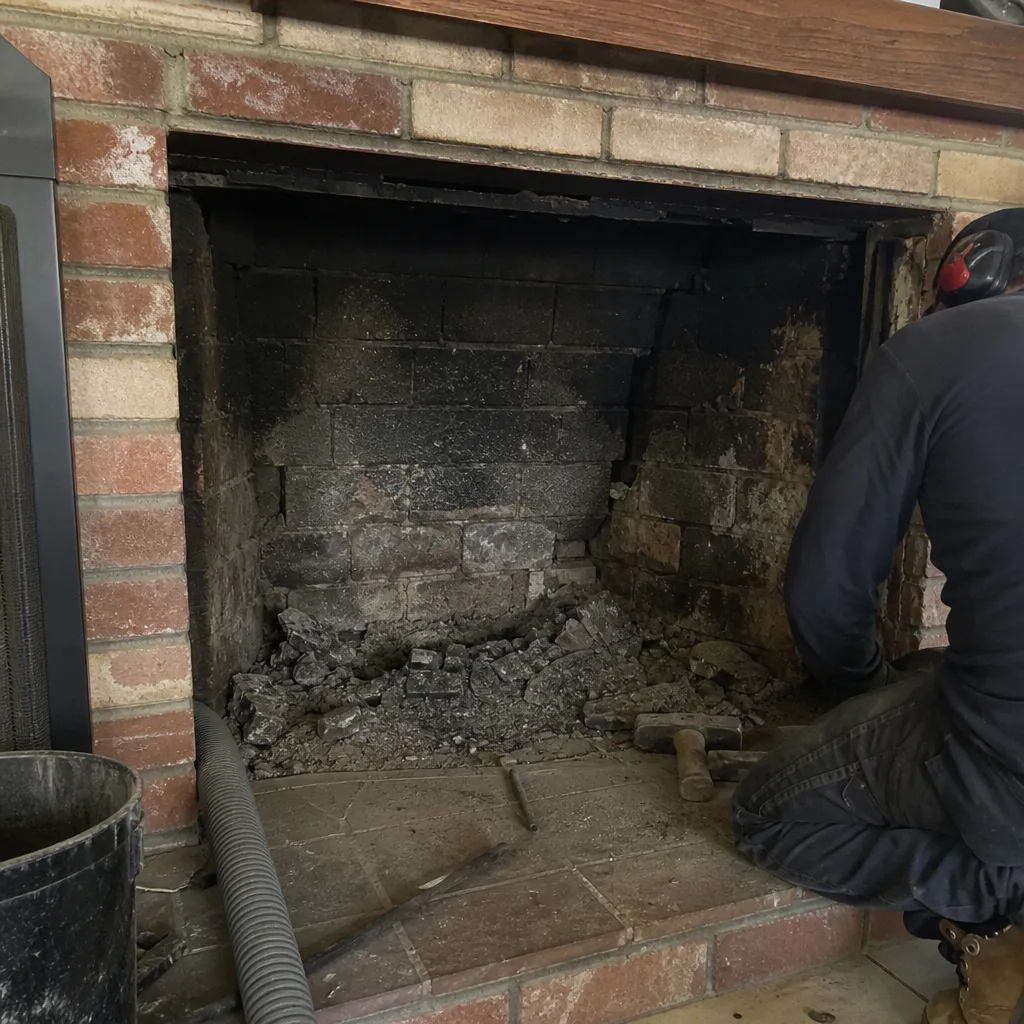 Before
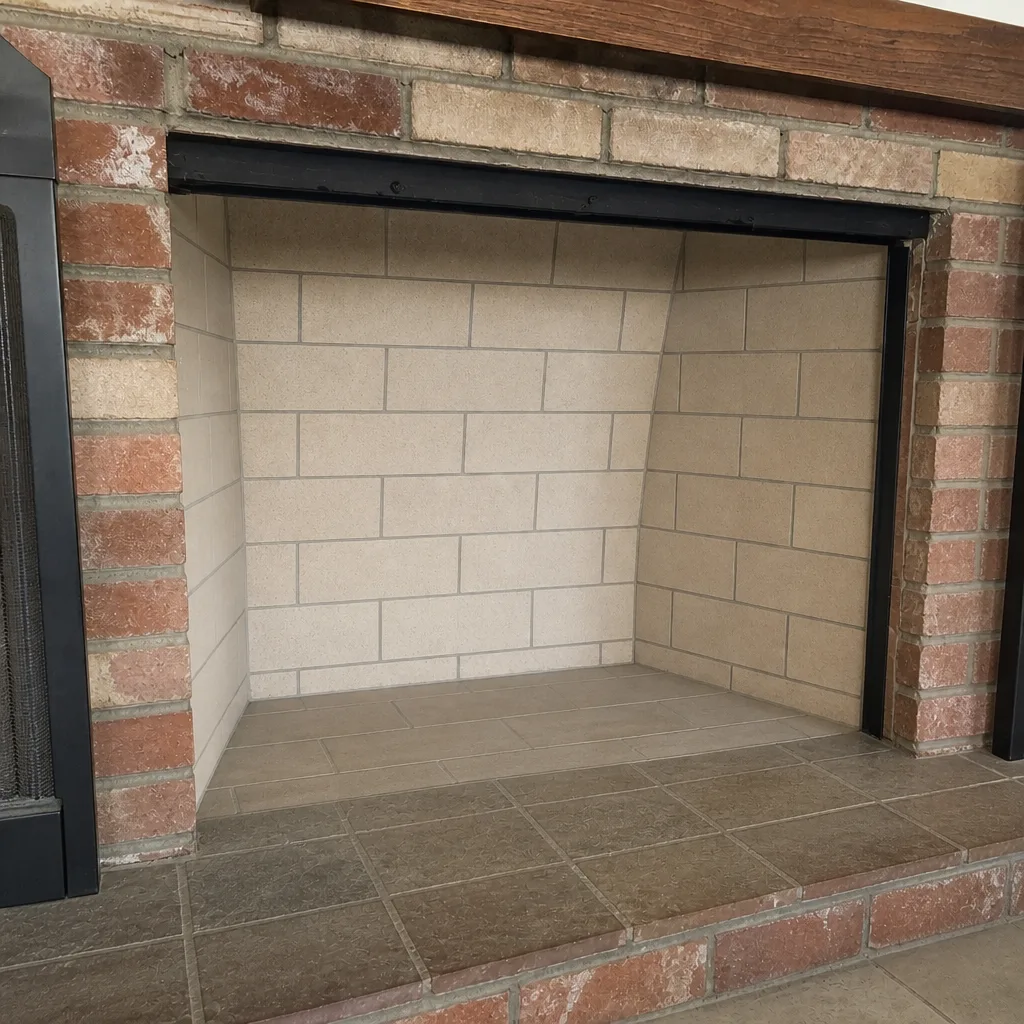 After
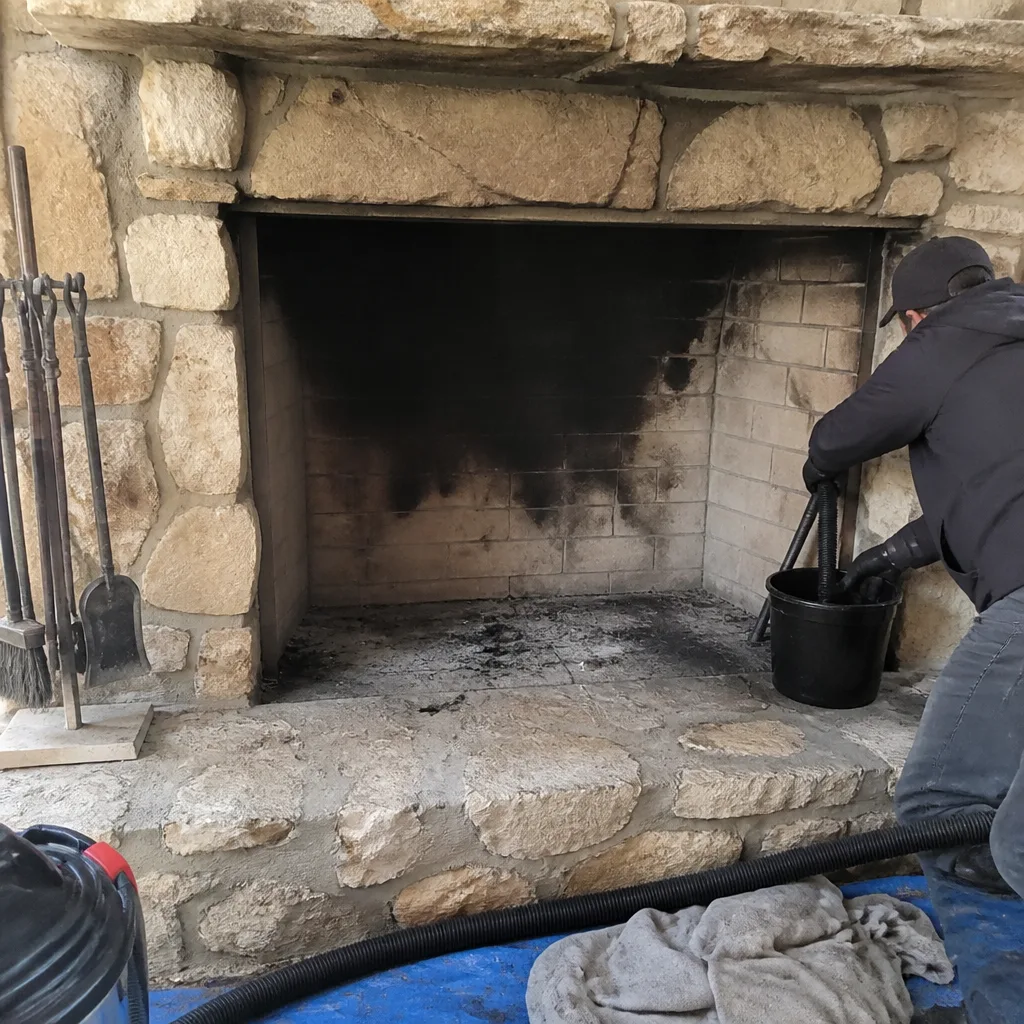 Before
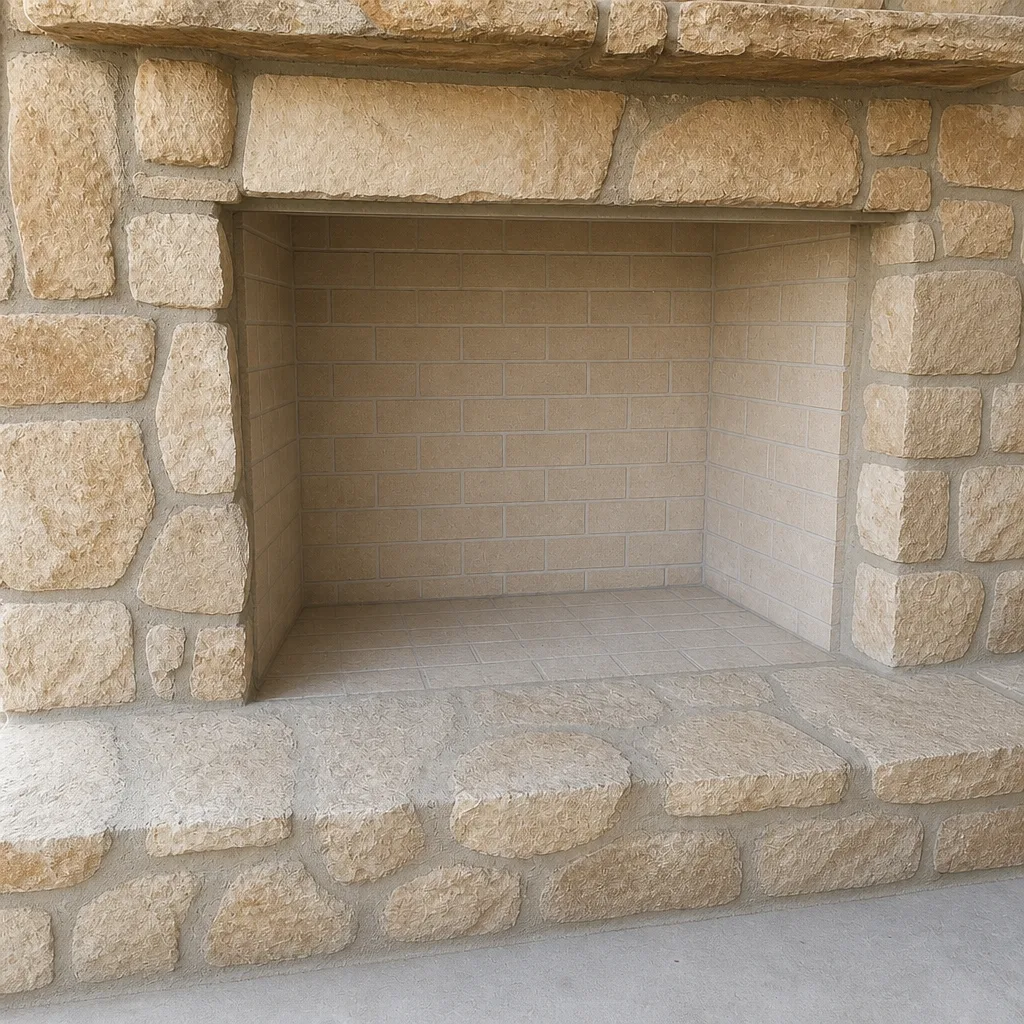 After
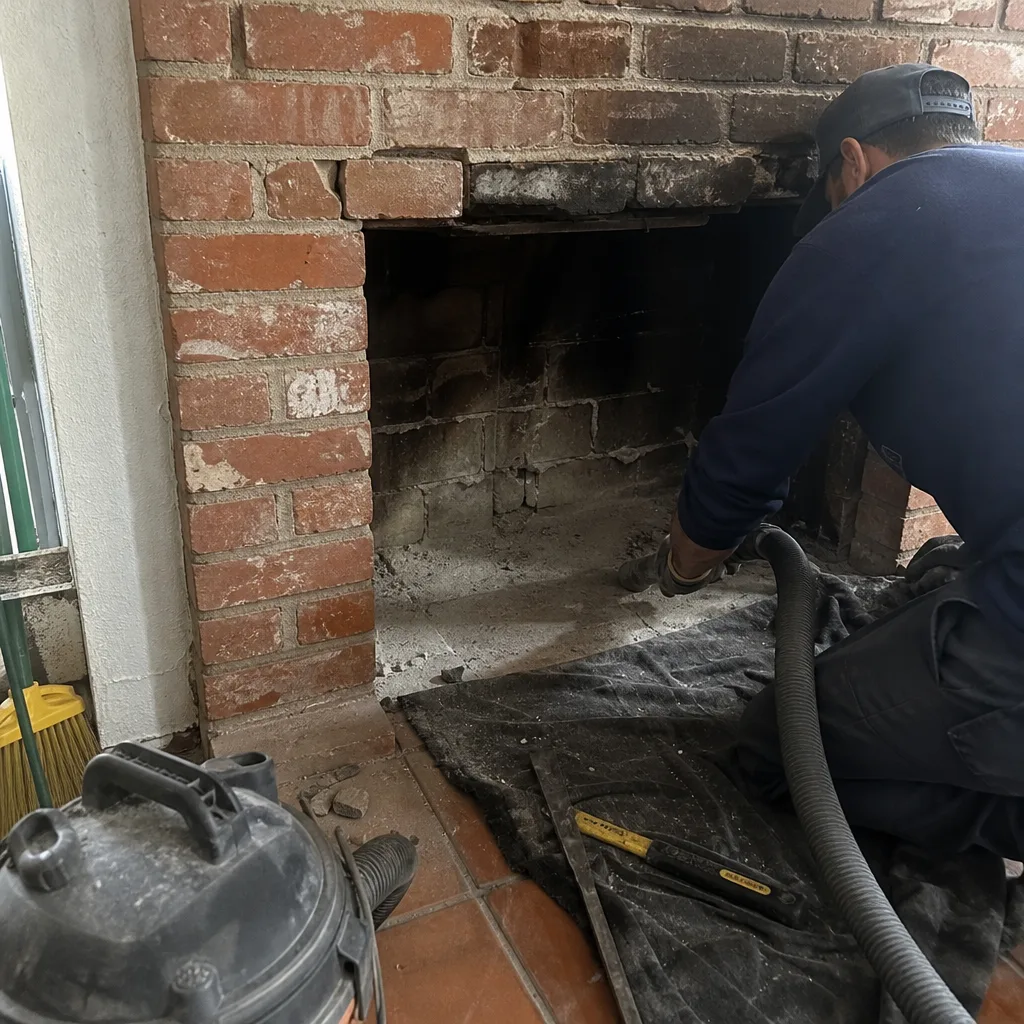 Before
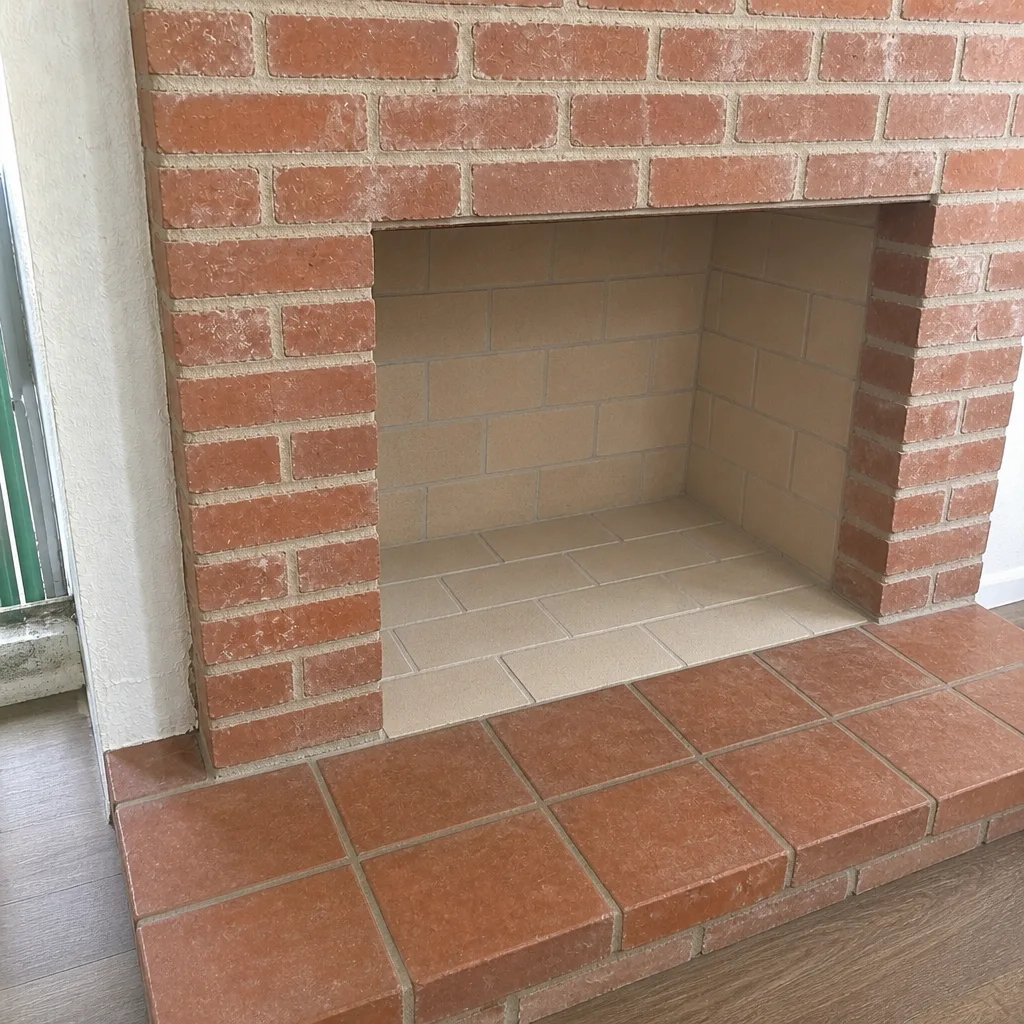 After
When to Call a Professional
Chimney cleaning is not a DIY project, and it’s not a job for a handyman with a hardware-store brush kit. Call a professional when you notice any of these conditions: visible creosote buildup in your firebox or flue, a smoky fireplace that isn’t drafting properly, an odor coming from the chimney when the fireplace isn’t in use, or if it’s simply been more than a year since your last chimney sweep. If you’ve never had your chimney inspected since moving into your Apple Valley home, schedule one before the first fire of the season. For dryer vents, call if clothes are taking longer than usual to dry, the vent cover outside doesn’t open when the dryer runs, or it’s been a year since your last cleaning. Chimney Sweep Apple Valley offers free estimates in Apple Valley. Call (833) 901-6532. We answer 24/7. Fast dispatch from 7am to 7pm, Sunday through Friday.
Frequently Asked Questions
Look for a contractor who can name specific professional-grade product brands: ChimneySaver for sealants, Rutland or ACS for creosote treatments, HeatShield for liner resurfacing, and Famco or Copperfield for caps and dampers. These aren’t the only good brands on the market, but they’re reputable names that indicate the contractor sources from chimney-specific suppliers rather than big-box stores.
Pricing is set per job by written estimate, and it varies based on flue length, creosote stage, and accessibility. The estimate is free. Call (833) 901-6532 for an exact quote based on your chimney’s specifics. We answer 24/7.
No. Chemical treatments like Rutland C-1 and anti-creo-soot products alter creosote chemistry to make mechanical removal easier or slow new accumulation, but they cannot remove existing deposits on their own. A physical sweep with the correct brush material is the only way to actually clean a flue.
A sweep is the mechanical cleaning of the flue. An inspection is a visual and often camera-based evaluation of the chimney’s condition, including the liner, masonry, cap, and damper. A professional service does both: inspect to understand what you’re working with, sweep to remove the accumulation, then inspect again to verify the results.
HeatShield is an appropriate specification for many cracked or deteriorated clay tile liners where the structural integrity of the chimney is sound. It resurfaces the existing flue with a ceramic-cement compound, creating a new containment layer without the cost and invasiveness of a full reliner replacement. However, severe structural damage still requires a full reliner. A qualified tech can evaluate which applies to your chimney.
Yes, if you use your fireplace regularly. Even in the dry desert climate, creosote builds up in stages, and stage three creosote is a serious fire hazard. An annual sweep maintains the flue in a safe condition and gives your tech a chance to spot developing problems, like hairline liner cracks or a degrading cap, before they become expensive repairs.
The Bottom Line
Chimney cleaning brands are a qualification filter, not a niche obsession. A contractor who stocks professional-tier products is telling you something about their standards: they’ve chosen to spend more on materials because they know the difference in outcome. In Apple Valley’s high-UV, dust-heavy, thermally stressed environment, that difference compounds. Your chimney is a fire-safety system. The products used on it, from the brush material to the sealant chemistry to the cap hardware, determine whether it performs safely year after year. Ask the brand questions. Listen for specific answers. Hire the contractor who passes the test. Call (833) 901-6532 for a free estimate. We answer 24/7. Fast dispatch from 7am to 7pm, Sunday through Friday.
Written by the team at Chimney Sweep Apple Valley, serving Apple Valley since 2018.