
Last updated November 4, 2026
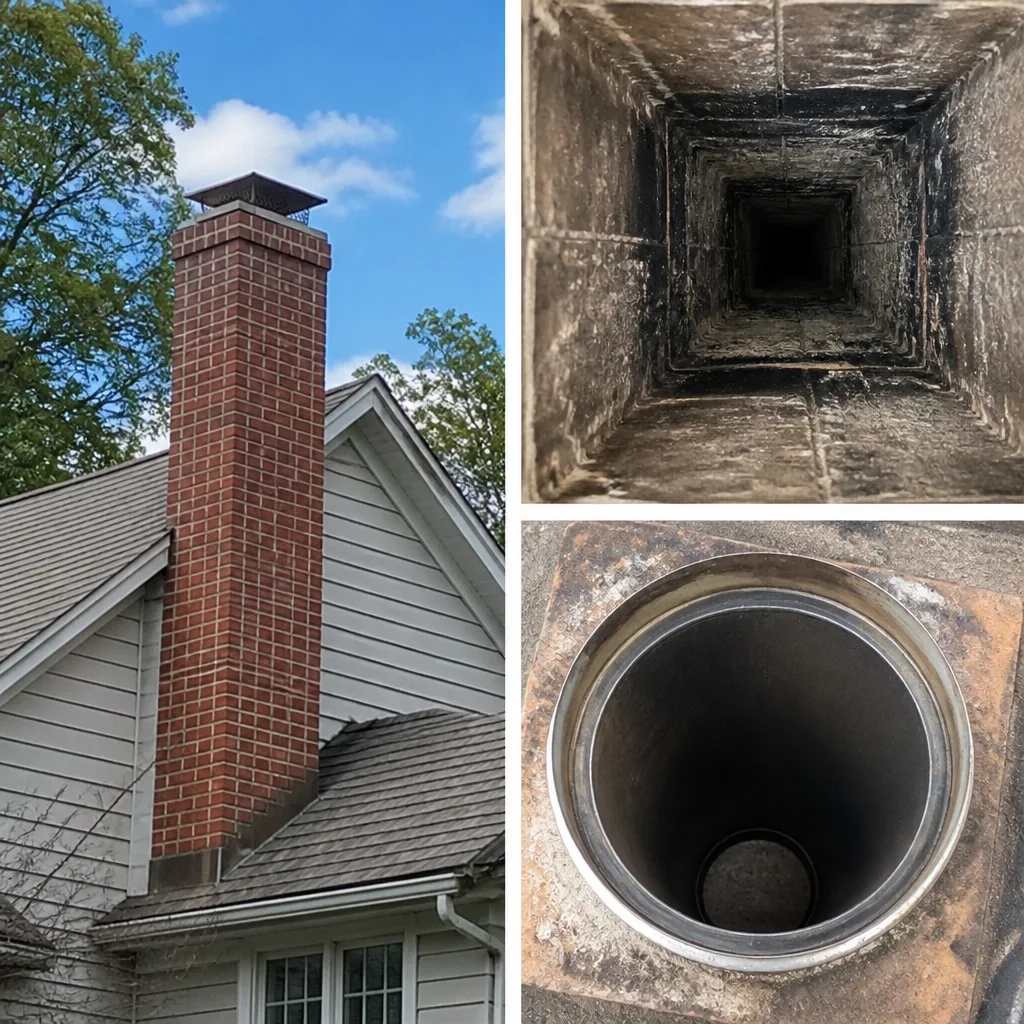 Sweep & inspection
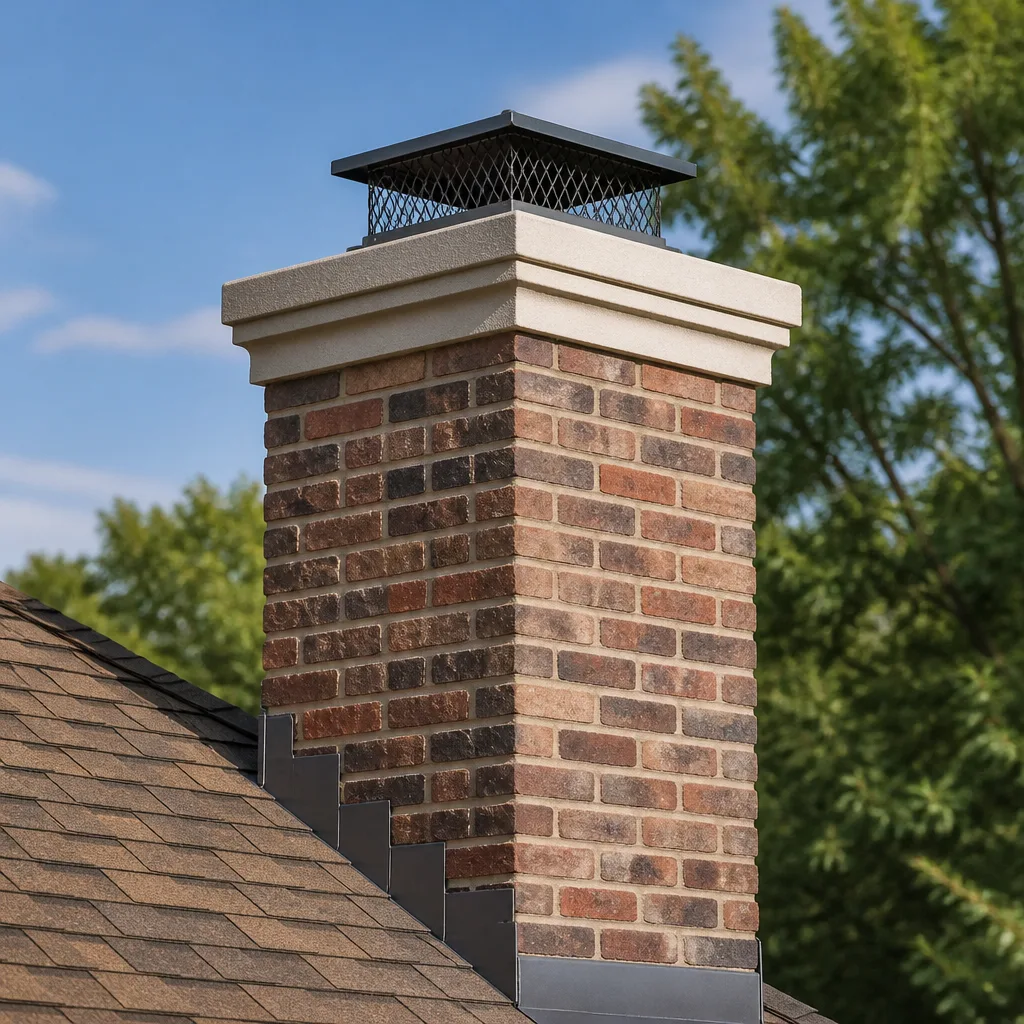 Caps & crowns
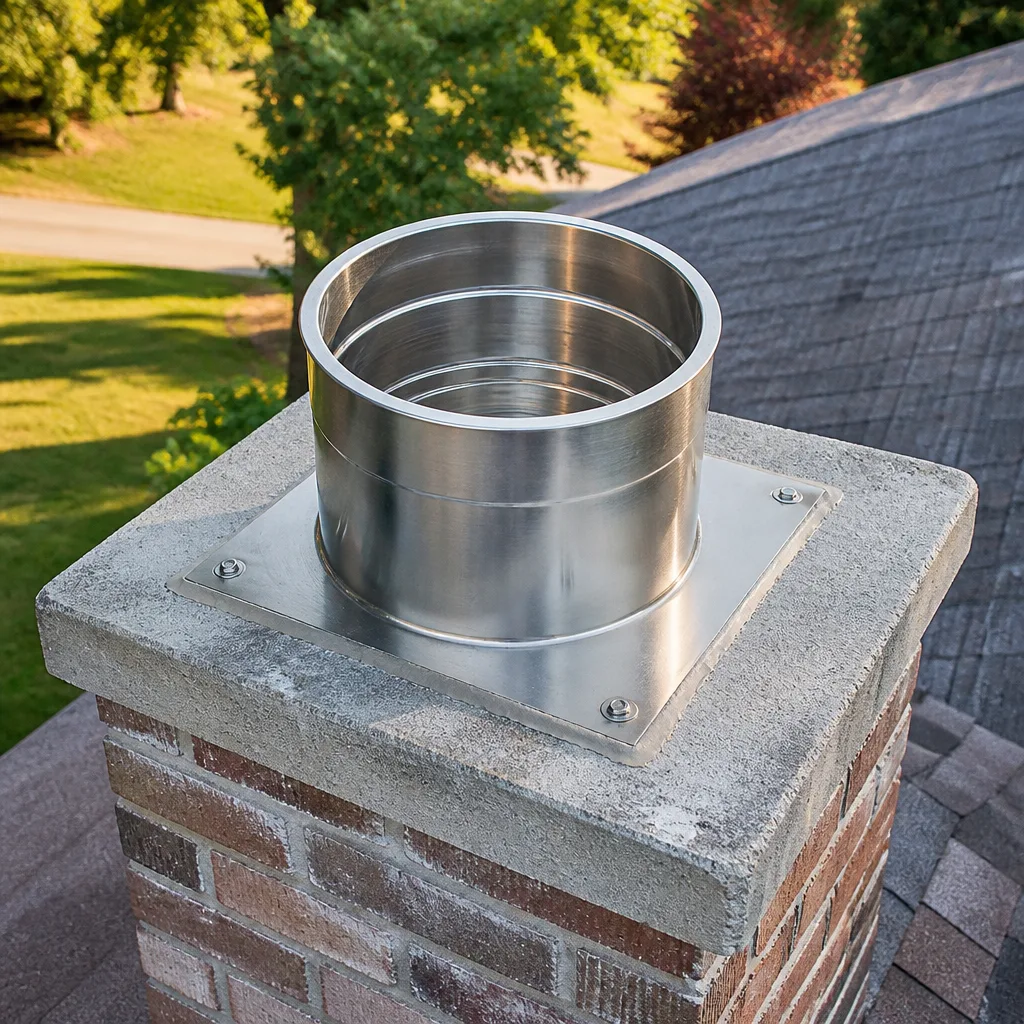 Flue relining
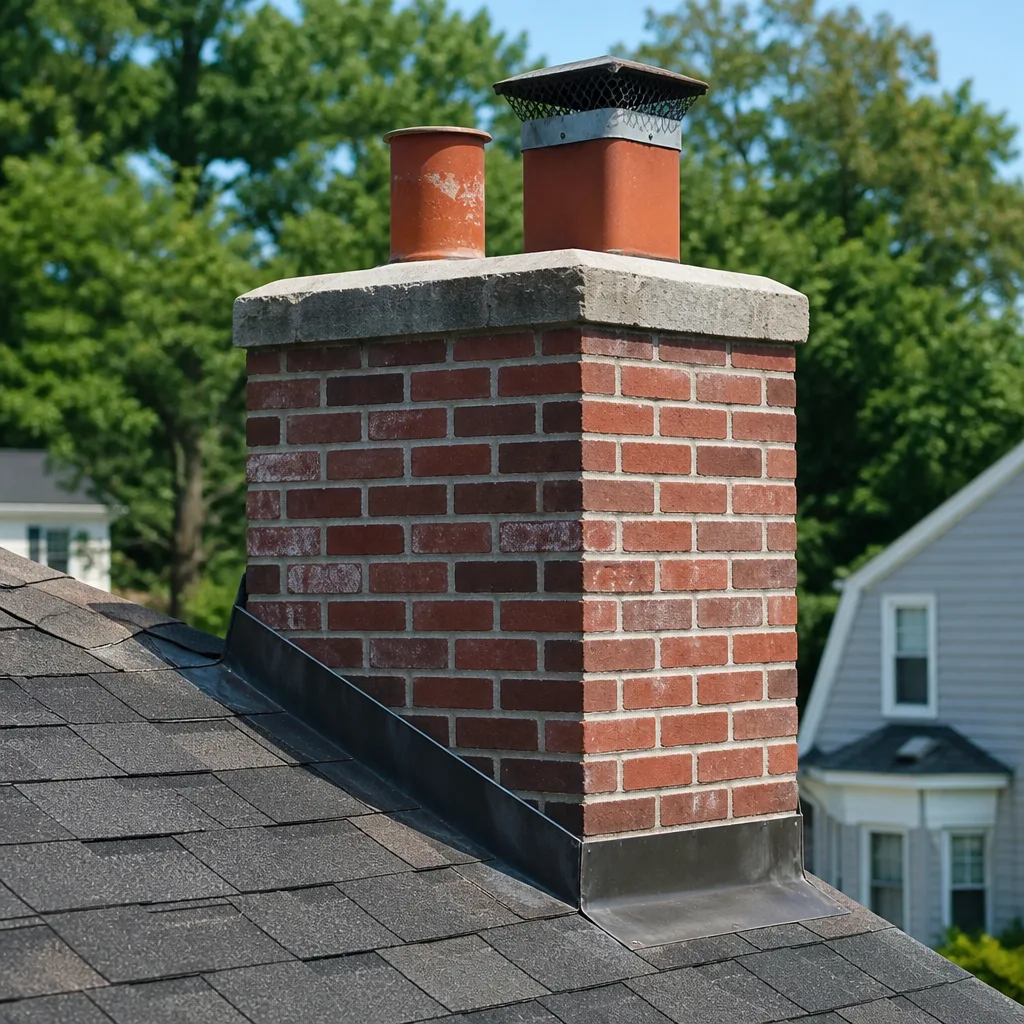 Masonry repair
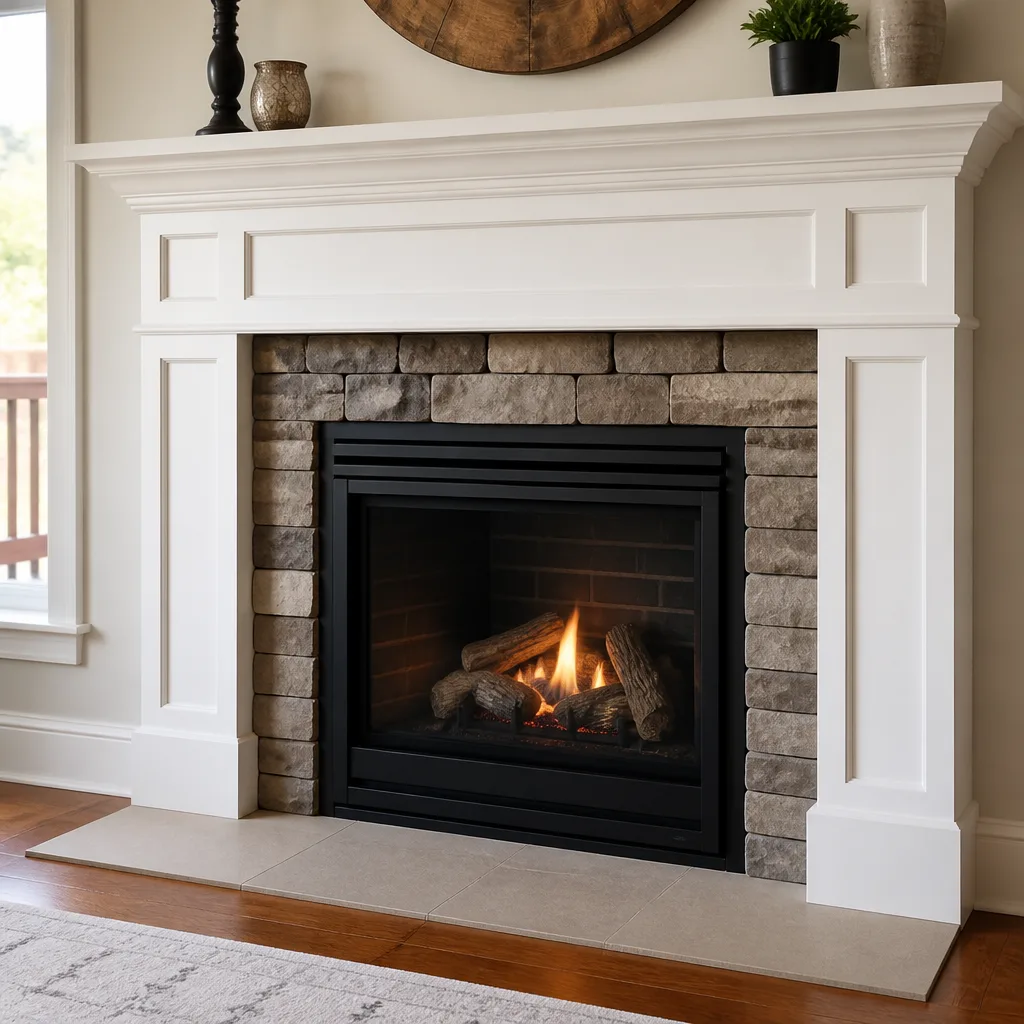 Gas fireplace service
Level 1 sweep and inspection to the NFPA 211 annual standard - flue, crown, cap, and flashing checked and photographed
Chimney sweep logs do not sweep chimneys. They loosen some creosote - which then falls where a brush and vacuum still have to collect it.
Chimney Sweep Troubleshooting in Apple Valley: Common Problems and How to Fix Them
If your chimney smokes back into the room only on windy days, that’s not a flue problem. It’s almost certainly a negative pressure issue caused by the High Desert’s dominant southwest winds hitting your roofline at the wrong angle. Most chimney issues homeowners in Apple Valley blame on “bad drafts” or “old chimneys” are actually diagnosable by symptom. Smoke rollout, odor type, and water stain location each point to a specific, fixable cause. This guide maps those symptoms to root causes so you stop guessing and start asking the right questions before a technician even arrives.
Quick Answer
Most chimney problems in Apple Valley trace back to one of four causes: wind-driven negative pressure, creosote buildup, water intrusion at the crown or flashing, or a failing damper. Smoke that rolls into the room on windy days usually means the flue is undersized or the chimney cap isn’t redirecting the High Desert’s southwest winds properly. A musty smell in summer points to water getting behind the masonry, while a sharp barbecue-like odor means creosote glaze has built to a dangerous level. Each symptom has a specific fix, and knowing which one you’re dealing with tells you whether you need a chimney sweep, a masonry repair, or a damper replacement.
Styles & brands we work with
- Sweep & inspection
- Caps & crowns
- Flue relining
- Masonry repair
- Gas fireplace service
Table of Contents
- Why Smoke Rolls Back Into Your Apple Valley Home
- What Different Chimney Odors Actually Tell You
- White Staining on Your Chimney: Efflorescence Explained
- Throat Dampers vs. Top-Mount Dampers: Diagnosis and Replacement
- Water Intrusion at the Crown and Flashing
- Symptom-to-Action Decision Tree
- Common Mistakes to Avoid
- When to Call a Professional
Why Smoke Rolls Back Into Your Apple Valley Home
Smoke rollout is the most alarming chimney problem, and in Apple Valley it’s also the most misdiagnosed. The root cause is rarely a “dirty chimney” in the way most people imagine. Instead, it’s almost always one of three distinct issues, and each requires a different fix.
Wind-induced negative pressure is the most common culprit in the High Desert. When southwest winds hit the leeward side of your roofline, they create a low-pressure zone around the chimney termination. Your chimney becomes a vacuum tube, pulling smoke back down instead of letting it rise. The fix is usually a properly sized chimney cap, often something like a Famco wind-directional cap, which redirects airflow rather than just covering the opening. In some Apple Valley neighborhoods with open exposure and no windbreaks, we’ve seen this issue persist even with a standard cap until a draft-inducing cap was installed.
Undersized flue is the second diagnosis. A flue that’s too small for the firebox can’t move enough air volume, so smoke spills into the room every time you build a fire, not just on windy days. This is a structural issue. The fix is a correctly sized liner, and that’s where knowing your materials matters. A DuraFlex flexible stainless liner, sized properly to the appliance, restores the draft the system was designed for.
Cold flue syndrome is the third cause, and it’s more common in Apple Valley than people expect because our nights drop sharply after warm days. When the air inside the flue is colder and denser than the air in the room, it sinks instead of rises. You’ll notice this on the first fire of the season after a cold night. The fix is simple: preheat the flue by holding a lit roll of newspaper up near the damper for 30 to 60 seconds before lighting the main fire. If this works, the flue is fine. If smoke still rolls out after preheating, you’re dealing with one of the other two causes.
What Different Chimney Odors Actually Tell You
Odor is a diagnostic tool most homeowners ignore, but it’s one of the most reliable indicators of what’s happening inside your flue. The type of smell, and when you notice it, points to the specific problem.
A sharp, smoky, barbecue-like smell in summer means third-degree creosote glaze has built up in the flue. This is the most dangerous form of creosote, a hard, shiny tar that bakes onto the flue walls and ignites at a lower temperature than other deposits. Summer humidity makes it off-gas, which is why you smell it when the fireplace isn’t in use. This is not a “wait and see” situation. A professional sweep removes glaze buildup with rotary tools, not just brushes, and this is exactly the material that causes chimney fires in Apple Valley homes that burn soft woods or run fires low and slow.
A musty, damp smell means active water intrusion. That odor is mold or mildew growing in the masonry or on the flue liner. The source is almost always a cracked chimney crown, failed flashing, or a missing rain cap. In Apple Valley’s dry climate, homeowners often dismiss this smell because “it never rains here,” but the occasional heavy desert downpour is enough to keep moisture trapped inside the brickwork for months. The fix starts with identifying the entry point, then sealing it with a professional-grade crown coat or flashing repair.
A sulfur or rotten-egg smell from a gas fireplace insert indicates incomplete combustion or a blocked vent. This is a carbon monoxide concern and needs immediate attention. Turn off the appliance and have the venting checked by someone who knows gas inserts, not just wood-burning systems.
Odor problems don’t resolve themselves. The smell is the symptom. The moisture or the glaze is the disease. Treating either one properly means knowing which material and method applies, and that’s why Chimney Sweep Apple Valley stocks and specifies products like Gelco sealants for crown repair rather than whatever caulk is available at the hardware store.
White Staining on Your Chimney: Efflorescence Explained
White, chalky staining on the exterior brick of your chimney is called efflorescence, and in Apple Valley it’s a more serious warning sign than most homeowners realize. Efflorescence happens when water carries mineral salts from inside the masonry to the surface. The water evaporates, the salts stay, and you get that white residue.
The reason it matters here specifically is Apple Valley’s wide temperature swings. Days in the 70s and 80s followed by nights dropping 30 or 40 degrees create repeated expansion and contraction cycles in wet brick. The water inside the masonry freezes and thaws on a micro scale, even when the air temperature doesn’t reach freezing, because the chimney structure radiates heat differently than the ground. Each cycle weakens the mortar and brick from the inside.
Efflorescence is the early warning. If the white staining is fuzzy or powdery and brushes off easily, you’re in the monitoring phase. The moisture source still needs to be addressed, but the masonry may not be damaged yet. If the staining has progressed to a hard, crystalline crust and you can see flaking brick faces or crumbling mortar joints, that’s spalling. The brick is actively failing.
The fix sequence is: identify the water source (crown, flashing, or porous brick), stop the intrusion with the right sealant, then repair the damaged masonry. HeatShield products work well here for the flue side of the equation, while a proper exterior masonry sealant handles the brick. Apple Valley’s dry climate means the problem progresses slowly, which is good news for repair windows, but also means homeowners get used to the staining and ignore it until the structural damage is significant. Don’t wait that long. If the white staining appeared in the last year and you haven’t had the crown checked, schedule an inspection.
Throat Dampers vs. Top-Mount Dampers: Diagnosis and Replacement
Dampers fail all the time, and in Apple Valley the failure often goes unnoticed because we use our fireplaces less often than homeowners in colder climates. A damper that’s stuck open all winter means heated air from your home escapes up the flue, and cooled air escapes in summer. A damper that’s stuck closed means smoke rollout on your first fire.
Throat dampers are the traditional metal flap just above the firebox. They’re exposed to direct flame and creosote, so they warp, rust, and seize. Common failure modes: the handle spins without resistance (the connection to the flap broke), the damper won’t close fully (warped plate), or it’s rusted open (full replacement needed). We usually recommend replacing a failed throat damper rather than repairing it. The repair rarely lasts, and the labor to access and rebuild the mechanism often equals the cost of an upgrade.
Top-mount dampers install at the top of the chimney and seal with a spring-loaded cap. Brands like Lyemance and Lock-Top are the standard here, and for good reason. A top-mount damper seals tighter than a throat damper, keeps rain and animals out even when open, and the cable mechanism fails less often than the mechanical linkage of a throat damper. When a top-mount damper fails, it’s almost always the cable, and that’s a straightforward replacement.
Here’s the decision framework we use with Apple Valley homeowners:
- Damper won’t open at all: Inspect the mechanism. If it’s a throat damper with a broken linkage, replace with a top-mount. The lifetime value is better.
- Damper won’t seal fully when closed: Test for drafts. If air moves through the chimney when the damper is closed, you’re losing conditioned air. A top-mount damper will pay for itself in energy savings within a few seasons in our climate.
- Damper is stuck open: This is a safety and efficiency issue. Schedule replacement. Don’t run your HVAC or fireplace until it’s addressed.
- Damper works but rattles in wind: This is a cable tension issue on top-mount dampers. Adjustable and repairable without replacement.
We carry Famco and Copperfield caps and dampers because they fit a wide range of flue sizes and their tolerances hold up in the High Desert’s wind and sun. That matters. A cheap damper that warps in two seasons isn’t saving you anything.
Water Intrusion at the Crown and Flashing
Water is the slow killer of chimneys, and it’s the most overlooked problem in Apple Valley because our rainfall is low. Homeowners think no rain means no water damage. That’s wrong in a specific way: when rain does come, often as a brief but intense desert storm, the chimney crown and flashing take all of it at once. And because the masonry is dry beforehand, the brick absorbs the water aggressively.
The chimney crown is the concrete or mortar slab at the top of the chimney. Its job is to shed water away from the flue and the brick below. Crowns crack for two reasons in our climate: poor original construction (too thin, no expansion joint, no overhang) and thermal cycling from the 40-degree day-to-night temperature swings common in the High Desert. Once the crown cracks, water runs directly into the chimney structure and behind the brick face. You’ll see the evidence as efflorescence, interior water stains near the fireplace, or deteriorating mortar joints.
Flashing is the metal transition where the chimney meets the roof. It fails when the sealant breaks down under UV exposure (which is aggressive at Apple Valley’s elevation) or when the flashing was installed with the wrong material to begin with. Failed flashing shows up as ceiling stains or water marks in the attic near the chimney chase.
The repair approach depends on what failed. A cracked crown with minor damage gets a new crown coat, ideally a professional-grade product like Gelco, which bonds to the existing concrete and flexes with thermal movement instead of cracking again. A severely deteriorated crown gets a poured replacement with proper overhang and an expansion joint. Failed flashing gets removed and reinstalled with the right gauge metal and sealant, not just caulked over.
The reason this matters as a troubleshooting item: water intrusion and smoke rollout are often related. A chimney that’s taking on water in the flue loses its draft. The liner corrodes. The masonry shifts. What starts as a wet smell becomes a smoke problem, and by then the repair is bigger. Catching the water issue at the efflorescence stage keeps the job small.
Symptom-to-Action Decision Tree
Here’s the diagnostic framework we walk through with every Apple Valley homeowner who calls about a chimney problem. Use this to decide whether you’re in a monitor-it situation or a call-now situation.
- Symptom: Smoke rolls into the room only on windy days.
Likely cause: Wind-induced negative pressure or undersized flue.
Action: Check the cap. If it’s missing or generic, a wind-directional cap may solve it. If the cap is fine, the flue may be undersized. Call for an inspection and flue measurement. - Symptom: Smoke rolls in on the first fire, then improves.
Likely cause: Cold flue syndrome.
Action: DIY-monitor. Preheat the flue before lighting. If the problem persists after preheating, call for a draft assessment. - Symptom: Sharp smoky smell in summer when the fireplace is unused.
Likely cause: Third-degree creosote glaze.
Action: Call now. This is a fire hazard. Schedule a professional sweep with rotary cleaning. - Symptom: Musty or damp smell year-round.
Likely cause: Water intrusion at crown or flashing.
Action: Call for a crown and flashing inspection. Do not wait. Masonry damage compounds. - Symptom: White staining on exterior brick.
Likely cause: Efflorescence from water intrusion.
Action: Monitor if powdery and new. Call if crusty or accompanied by flaking brick. - Symptom: Damper won’t close or seal fully.
Likely cause: Warped, rusted, or broken damper mechanism.
Action: Call for damper replacement. This is a repair, not a monitoring situation. - Symptom: Sulfur or rotten-egg smell from a gas insert.
Likely cause: Blocked or failed venting.
Action: Turn off the appliance and call immediately. This is a carbon monoxide concern.
This decision tree covers the most common scenarios we see across Apple Valley, from established neighborhoods with older masonry chimneys to newer homes with factory-built systems. The pattern is the same: symptoms map to causes, and causes map to specific fixes. Guessing costs money. Diagnosis saves it.
Common Mistakes to Avoid
- Ignoring summer odors because “the fireplace is off.” A smoky smell in July is the clearest sign of creosote glaze. The problem doesn’t rest because you do. In Apple Valley’s dry heat, the glaze off-gases more aggressively, which is why you notice it now.
- Assuming a dirty chimney is the only reason for smoke rollout. Smoke issues are usually draft problems. A sweep helps, but if the flue is undersized or the cap is wrong, the smoke comes back. Diagnose before you clean.
- Using hardware-store caulk on a cracked crown. The crown flexes with thermal cycling. Standard caulk fails within a season. Professional crown products like Gelco move with the structure and actually last.
- Putting off damper replacement because “we don’t use the fireplace much.” An open or poorly sealed damper leaks conditioned air 365 days a year. In Apple Valley’s summer heat, that’s money. Replace it even if the fireplace is decorative.
- Ignoring white staining because “it doesn’t rain here.” The staining means water got in. It doesn’t matter how often it rains. The damage is happening, and desert downpours deliver more water to a dry chimney than you’d expect.
- Burning green or soft wood because it’s available cheap. Apple Valley has access to pine and other soft woods that burn fast and leave heavy creosote. Season your wood. Burn it hot. The extra creosote from wet wood is what turns into glaze.
- Cleaning the chimney without checking the dryer vent. Most chimney-only companies skip the dryer vent entirely. You can bundle both in one call, which saves a second service fee and addresses the other major fire-safety risk in the home. Our dryer vent cleaning service exists specifically because homeowners forget this until the dryer stops working or worse.
When to Call a Professional
Call a professional when you see third-degree creosote (that sharp summer smell), when smoke rollout persists after preheating the flue, when efflorescence has progressed to flaking brick, when the damper has failed, or when you can see water stains inside the home near the chimney. These are not DIY situations. The safety stakes are real: chimney fires are not rare in the High Desert, and a blocked or failed gas vent is a carbon monoxide concern. If you’re in Apple Valley and any of these symptoms match what you’re seeing, Chimney Sweep Apple Valley offers free estimates and works with HeatShield, DuraFlex, Gelco, Olympia Chimney, Famco, and Copperfield materials. Call (833) 901-6532. We answer 24/7. Fast dispatch from 7am to 7pm, Sunday through Friday.
See the difference
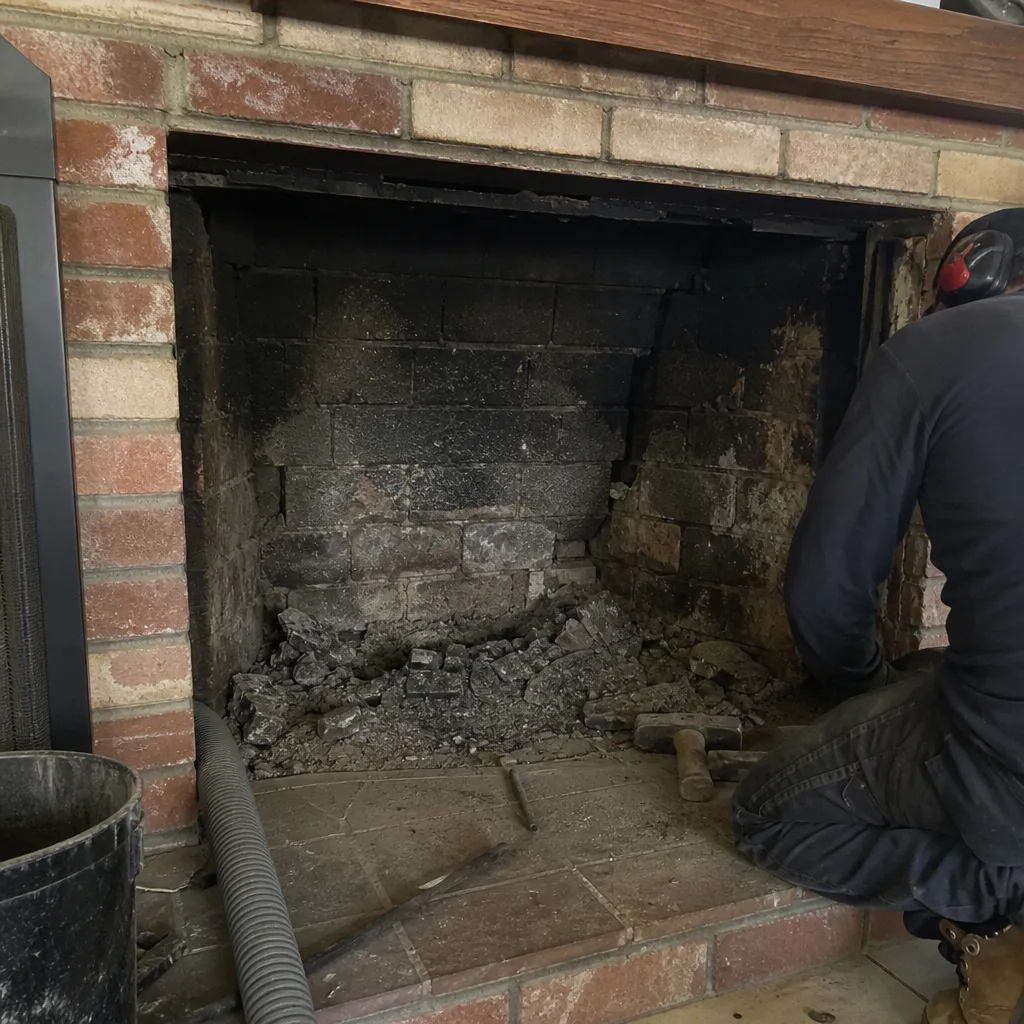 Before
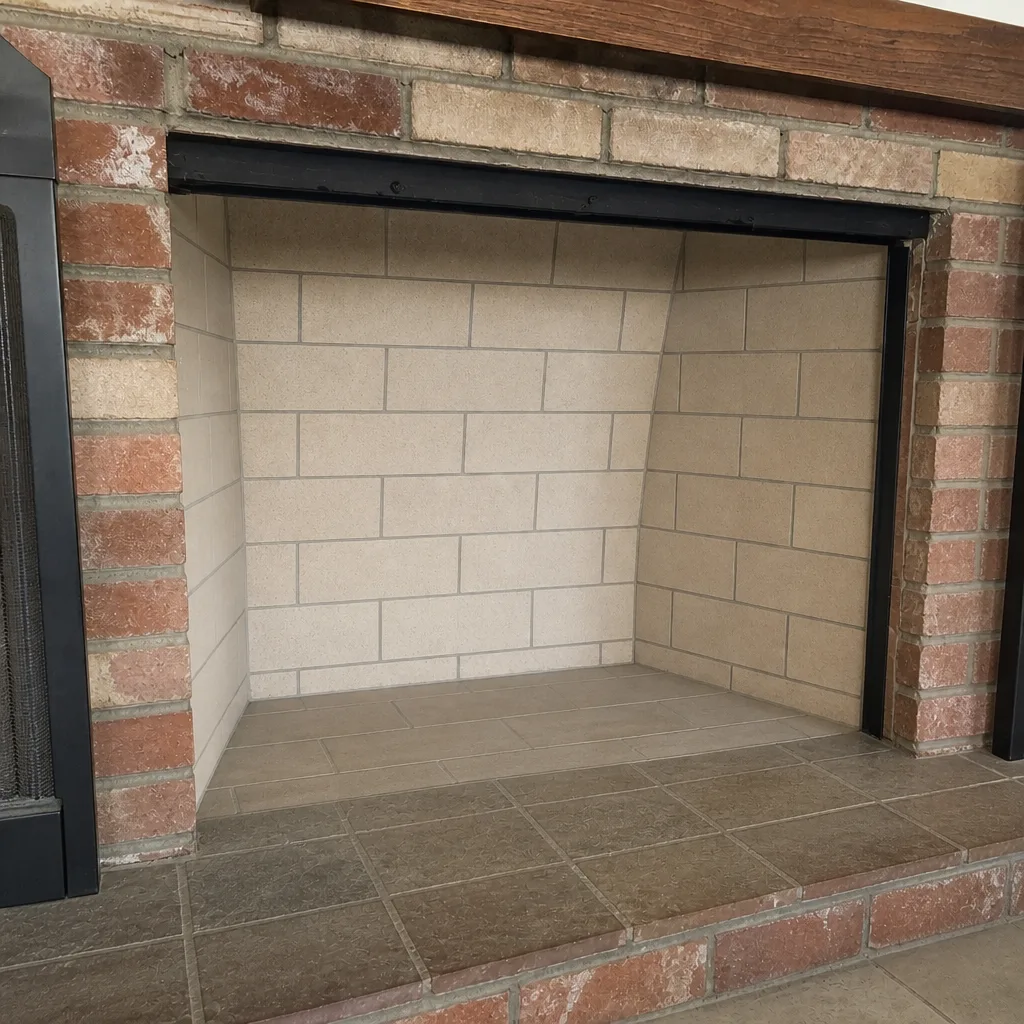 After
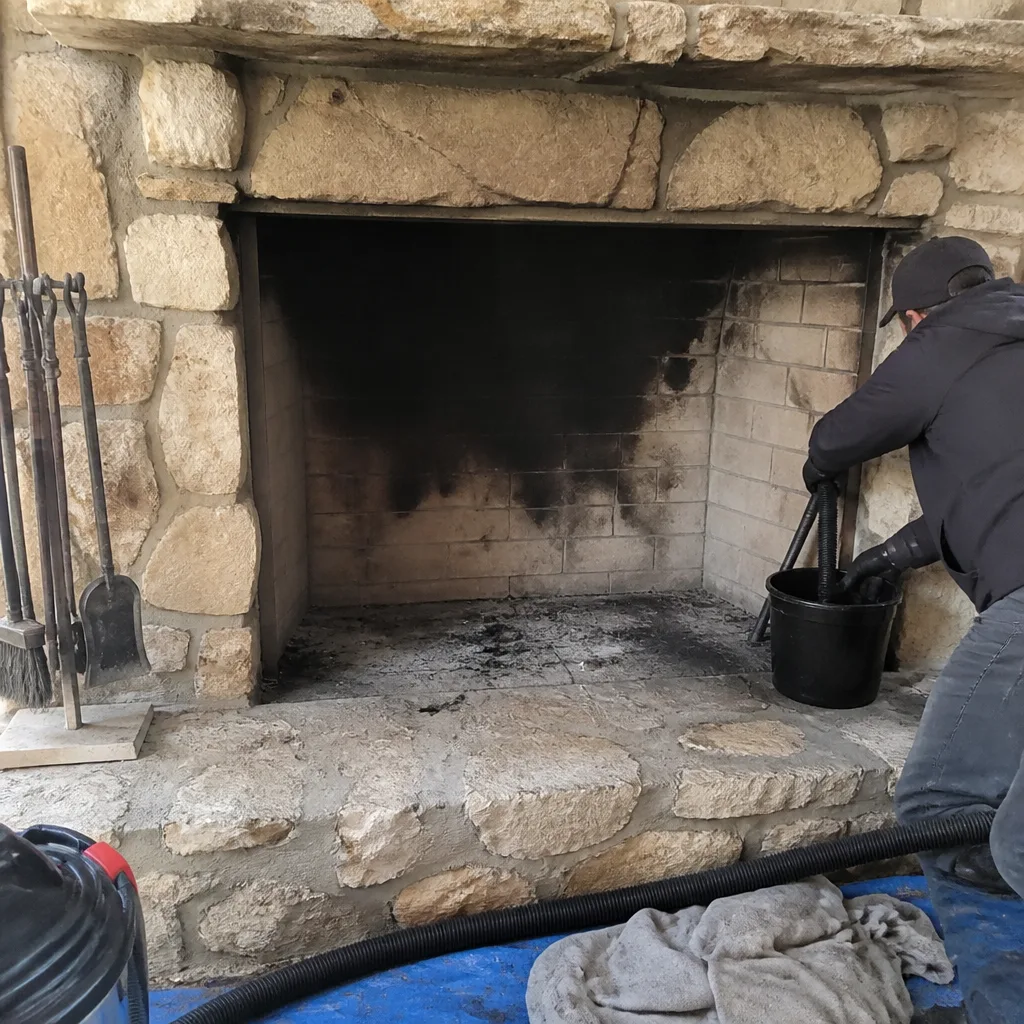 Before
 After
 Before
 After
Frequently Asked Questions
A standard chimney sweep in Apple Valley typically ranges from $180 to $340 depending on the chimney’s condition, accessibility, and whether glaze removal is needed. The written estimate sets the final price before any work begins. Call (833) 901-6532 for an exact quote. We answer 24/7. Estimates are free.
Wind-driven smoke rollout is caused by negative pressure at the chimney termination, and in Apple Valley the dominant southwest winds make this the most common cause of intermittent smoke problems. The fix is usually a properly sized wind-directional cap, not a sweep. Have the cap and flue size checked by someone who understands local wind patterns.
A chimney that’s used regularly should be swept after every cord of wood burned, or at minimum once per burning season. In Apple Valley, where burning seasons are shorter but often rely on soft woods that creosote heavily, an annual inspection is the right baseline. If you smell creosote in the summer, sweep immediately regardless of the calendar.
Not always. A cracked or deteriorating flue liner can sometimes be resurfaced with HeatShield rather than fully relined, which avoids the cost and disruption of a full liner replacement. The only way to know is a camera inspection. Don’t accept a liner recommendation without seeing the footage yourself. If a full liner is needed, a properly sized DuraFlex stainless liner restores the system’s draft and safety.
Creosote builds to the point of ignition, masonry absorbs water until it spalls, and a failed damper leaks conditioned air year-round. The most dangerous outcome is a chimney fire fed by glaze creosote, which burns hot enough to crack the flue and spread into the house structure. The most expensive outcome is a full rebuild that started as a minor crown crack. Maintenance is cheaper than both.
Yes. Chimney Sweep Apple Valley covers both chimney sweeping and dryer vent cleaning under one company, so you can handle two fire-safety tasks in a single booking. Call (833) 901-6532 to schedule both. We answer 24/7. Fast dispatch from 7am to 7pm, Sunday through Friday.
The Bottom Line
Chimney problems in Apple Valley are diagnosable, and most of them map to a handful of recurring causes: wind-driven draft issues from our southwest winds, creosote glaze from soft wood and low burns, water intrusion at the crown and flashing, and damper failures that leak energy year-round. Each has a specific fix, and each is cheaper when caught early. The homeowners who avoid the five-figure rebuilds are the ones who pay attention to the symptoms: the summer smell, the white staining, the smoke on windy days. If you’re seeing any of those, get a professional assessment. The estimate is free, and the alternative is not.
Written by the team at Chimney Sweep Apple Valley, serving Apple Valley since 2018.