
Last updated November 4, 2026
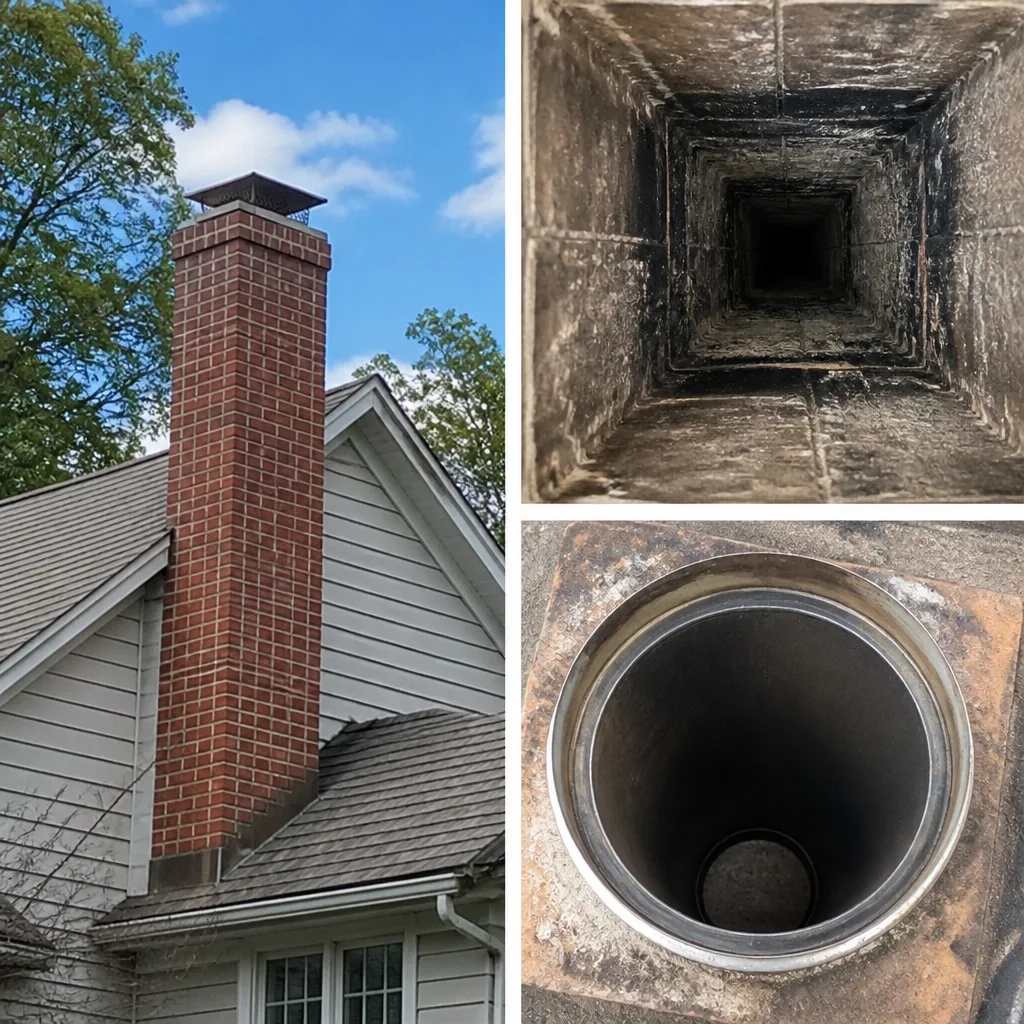 Sweep & inspection
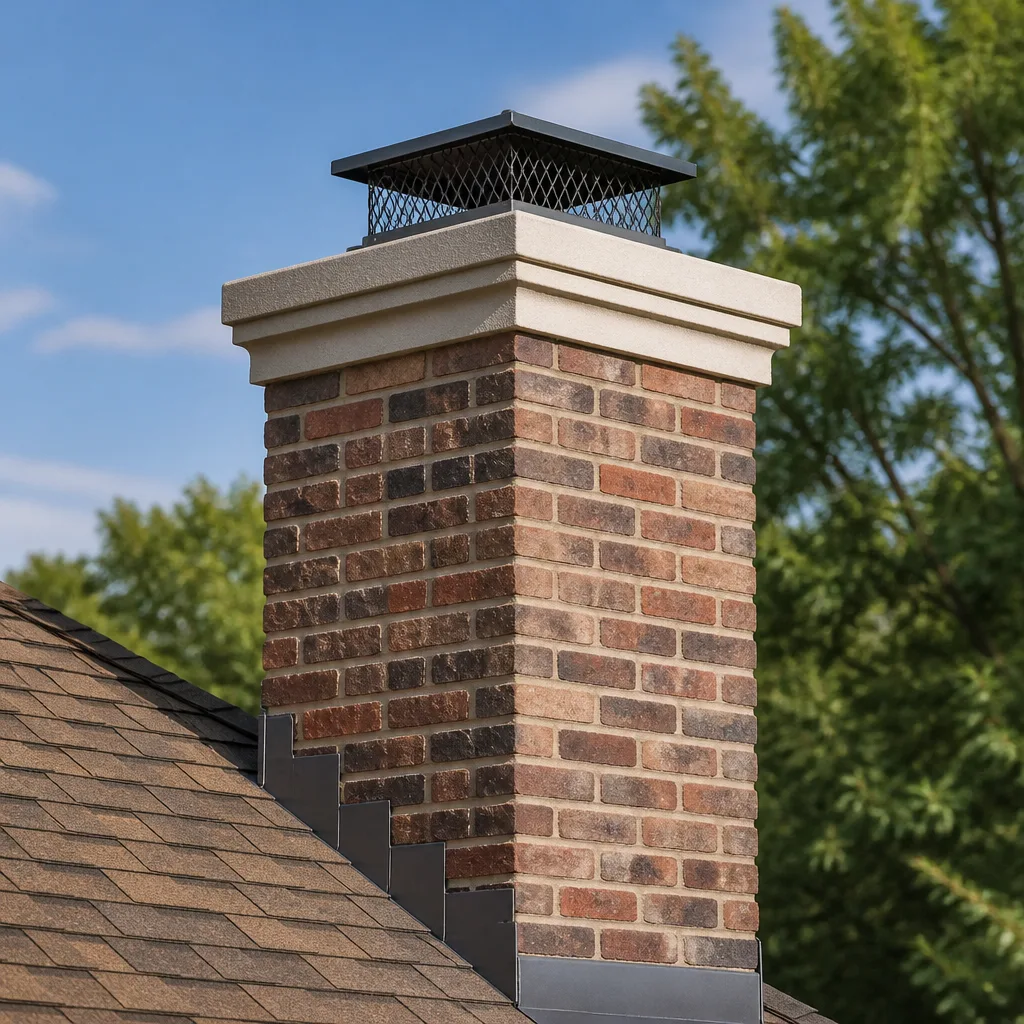 Caps & crowns
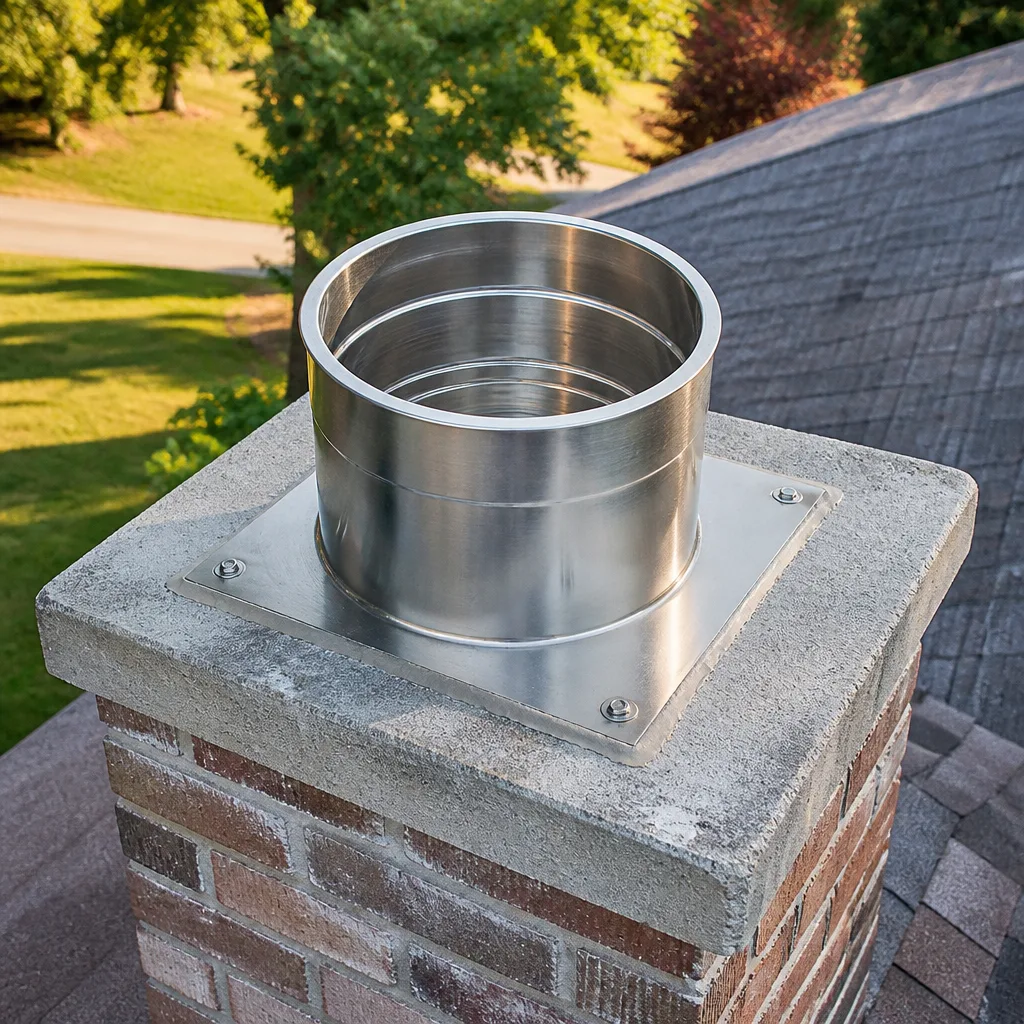 Flue relining
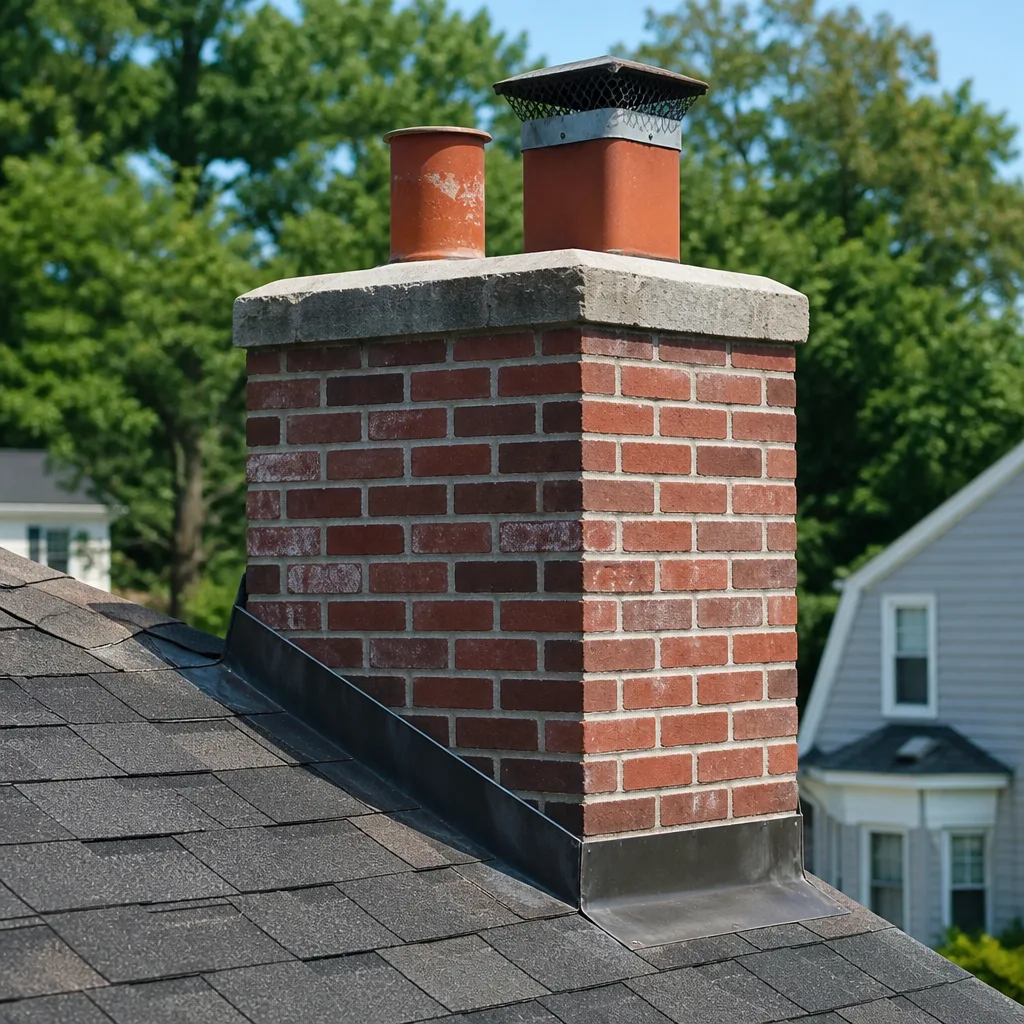 Masonry repair
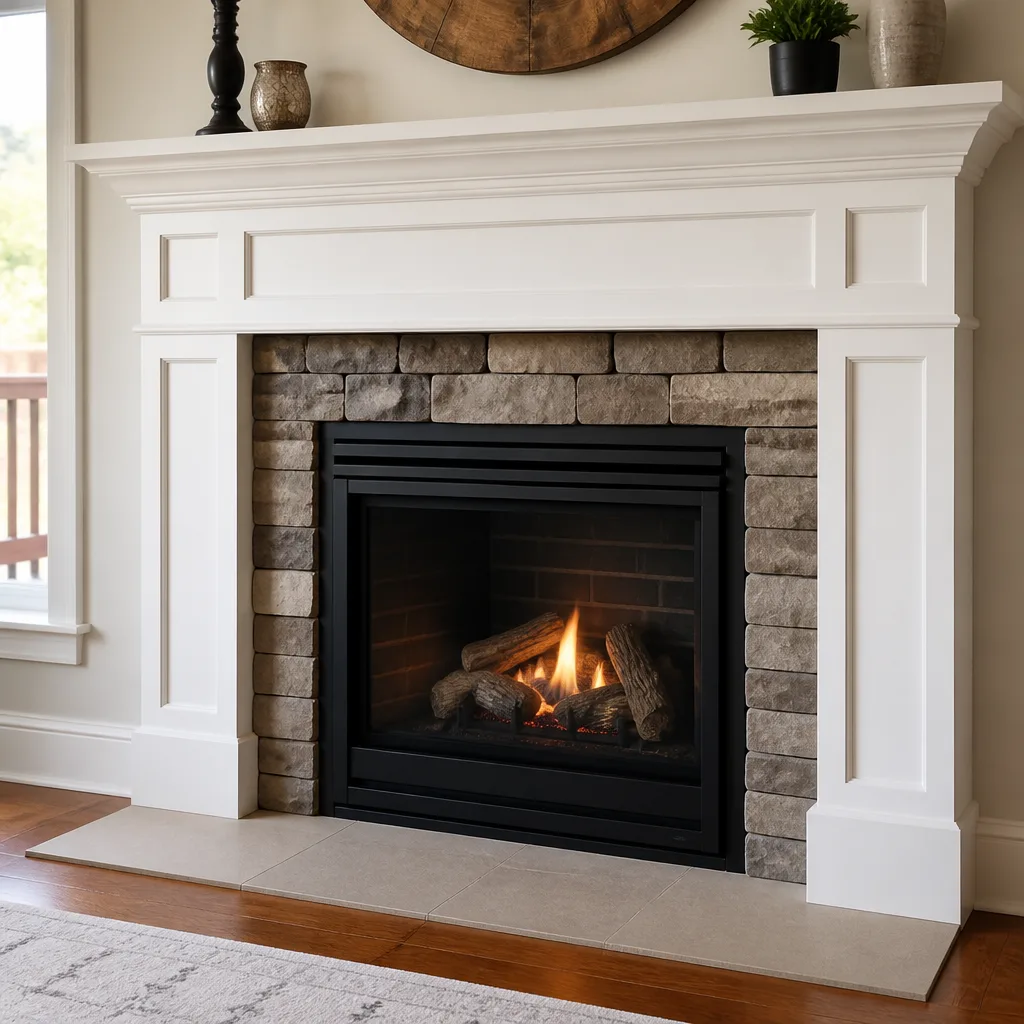 Gas fireplace service
Level 1 sweep and inspection to the NFPA 211 annual standard - flue, crown, cap, and flashing checked and photographed
Chimney sweep logs do not sweep chimneys. They loosen some creosote - which then falls where a brush and vacuum still have to collect it.
Chimney Sweep Maintenance Schedule: What to Do and When
Most chimney maintenance advice you’ll find online was written for places with real winters. It assumes your fireplace works hard from October through March, then rests through a damp spring. That’s not how it works in Apple Valley. Here, the burn season is shorter and more intense, followed by months of desert heat and inactivity. That long dormancy creates a different set of problems: critters move into unused flues, summer temperatures bake residual creosote into a hard glaze, and the first cold snap catches homeowners with a chimney that hasn’t been inspected in eight months. This guide lays out a maintenance rhythm that matches how High Desert homes actually operate, not a generic calendar copied from a New England chimney company’s website.
Quick Answer
In Apple Valley, the right chimney maintenance schedule is a pre-season inspection in September, a professional sweep after the burn season ends in March, and a dryer vent cleaning every 12 months minimum. Homes with heavy fireplace use should sweep mid-season if creosote reaches 1/8 inch, and any home sale or earthquake activity should trigger a Level 2 inspection. The goal is sweeping when creosote is soft, not after summer heat has baked it into a deposit that needs rotary tools to remove.
Styles & brands we work with
- Sweep & inspection
- Caps & crowns
- Flue relining
- Masonry repair
- Gas fireplace service
Table of Contents
- September: The Pre-Season Inspection Apple Valley Actually Needs
- March: Post-Season Sweeping Before the Heat Bakes Creosote Hard
- Mid-Season Monitoring: When a Single Sweep Isn’t Enough
- Dryer Vent Cleaning Cadence: Annual, and Sometimes Sooner
- Level 2 Inspections: What They Are and When Apple Valley Homes Need One
- Materials Worth Knowing: HeatShield, CrownCoat, and Pro-Grade Components
- The Month-by-Month Apple Valley Chimney Calendar
September: The Pre-Season Inspection Apple Valley Actually Needs
The most useful thing you can do for your chimney in Apple Valley happens before you light the first fire of the season. Not in November, when nights finally turn cool. September.
Here’s why the timing matters here specifically. During the High Desert summer, your chimney sits unused for five to six months. That’s the longest stretch of inactivity any chimney in a colder climate would ever experience. During that window, flue caps collect wind-driven dust and debris. Birds and rodents discover quiet, protected passageways. Small animals have been known to build nests in flues that went dormant in April and stayed that way through September. When you light a fire in October with an obstructed flue, you’re not starting a season, you’re running a combustion test with unknown variables.
A September inspection checks three things:
- Flue cap and spark arrestor integrity. High Desert winds are abrasive. Screens loosen, caps shift, and gaps open that let animals in. Replacing a damaged cap is a $200 to $400 job. Dealing with a raccoon or bird nest inside the flue is messier and more expensive.
- Creosote accumulation from last season. If you swept in March, you should have a clean slate. But not everyone did. If creosote sat through the summer, it’s likely hardened. Your sweep will tell you whether standard brushing handles it or whether rotary cleaning tools are required.
- Damper operation. Dampers seize when they sit. Exercising the damper in September catches stiffness before you’re standing in a cold living room unable to get the fire going.
We also look at the crown. Summer UV exposure is brutal on masonry crowns. Hairline cracks that were invisible in March can open up by September. Crown sealer products, applied before the rainy season, cost a fraction of what a crown rebuild runs.
If you schedule your inspection in September, you’ll beat the October rush. Every chimney company in the High Desert books up the moment nighttime temperatures drop. Getting ahead of it means your fireplace is ready the first evening you actually want to use it.
March: Post-Season Sweeping Before the Heat Bakes Creosote Hard
The second most important date on the Apple Valley chimney calendar is March. Specifically, the weeks right after you stop burning for the season.
Here’s the logic. Creosote is formed when wood smoke condenses on a relatively cooler flue wall. It starts as a sticky, tar-like substance. Given enough time and heat, it hardens into a brittle, flaky deposit. In its early stages, creosote is straightforward to remove with a standard chimney brush. A sweep is quick, the results are predictable, and the cost stays on the lower end of the scale.
But if that same creosote sits through a High Desert summer, it changes. Attic temperatures in Apple Valley routinely exceed 120 degrees. Flue temperatures go even higher. That prolonged heat exposure drives off moisture and hardens creosote into a dense, glazed deposit. Stage three creosote, the kind that resists standard brushing, often requires rotary cleaning loops, chemical treatments, or both. It costs more. It takes longer. And it’s entirely avoidable if you sweep in March.
The math is simple: sweep soft creosote in March, or pay to remove hardened glaze in September. Same chimney, same deposit, different cost structure.
Beyond creosote, a March sweep gives you a clean assessment of how the chimney handled the burn season. We can see whether the liner developed any new cracks, whether the masonry absorbed more moisture than it should have, and whether the cap took damage from winter winds. Those are observations best made in March, while the evidence is fresh and before summer conditions make everything worse.
For Apple Valley homeowners who burn wood regularly from November through early March, a post-season sweep is the single most valuable maintenance appointment on the calendar.
Mid-Season Monitoring: When a Single Sweep Isn’t Enough
The September inspection and March sweep rhythm works for most homes. But it’s a baseline, not a guarantee. Some households burn hot and often enough that creosote reaches unsafe levels before March ever arrives.
The industry standard is straightforward: when creosote accumulation reaches 1/8 inch, it’s time to sweep. No exceptions. Below that threshold, you can keep burning. At or above it, the risk shifts.
How do you know without measuring? Some signs are visible to a homeowner:
- Smoke backs up into the room when you open the door to add wood, even with the damper fully open.
- Fires feel sluggish. The wood catches, but the burn seems weak, and the room doesn’t warm the way it did in November.
- You smell smoke or creosote when the fireplace isn’t in use.
- Black, shiny buildup is visible on the damper or the firebox walls.
If any of those show up, schedule a mid-season sweep. Don’t wait for March. Creosote is cumulative, and a chimney fire doesn’t care what month it is.
One more variable specific to Apple Valley: what you burn matters as much as how often. Soft woods like pine, which are common and affordable in this area, produce more creosote than dense hardwoods. If you burn pine regularly, pay closer attention to the mid-season warning signs.
Also, if you use a gas insert, your maintenance picture is different. Gas doesn’t produce creosote, but it does produce acid-laced condensation that corrodes flue liners over time. Gas fireplaces still need annual inspection, but the concern is corrosion and venting, not creosote accumulation.
Dryer Vent Cleaning Cadence: Annual, and Sometimes Sooner
Your chimney isn’t the only fire hazard in the house. The dryer vent is a chimney for lint, and it follows the same accumulation logic.
The minimum cadence for dryer vent cleaning is once every 12 months. That applies even to households that run a standard load or two a day and clean their lint trap after every cycle. The lint trap catches maybe 60 to 70 percent of what the dryer produces. The rest moves into the vent line and accumulates there.
Some Apple Valley households should clean more often:
- Homes with large dogs or long-haired pets. Pet hair bypasses the lint trap more readily than fabric lint and clings to vent walls.
- Homes that dry high-pile fabrics regularly. Towels, blankets, and fleece produce significantly more lint than standard clothing.
- Homes with long vent runs. If your dryer is on an interior wall and the vent travels through the attic or a long chase to reach the exterior, air velocity drops and lint settles sooner.
- Large households. More loads per week means faster accumulation, simple as that.
The warning signs of a clogging vent are easy to miss because they develop gradually. Drying times stretch from 40 minutes to 60 to 75. The outside of the dryer feels hotter than it used to. The laundry room smells musty or like burned lint. Clothes come out damp after a full cycle. Any one of those is a reason to call.
There’s a practical benefit to folding dryer vent cleaning into your chimney schedule. One appointment, one technician visit, two fire-safety tasks handled. A clean dryer vent also runs more efficiently, which means shorter cycle times and less energy use.
Level 2 Inspections: What They Are and When Apple Valley Homes Need One
Most homeowners know what a chimney sweep is. Fewer know the difference between a standard sweep and a Level 2 inspection, and the distinction matters in specific situations.
A standard sweep removes creosote and checks accessible components: the firebox, damper, cap, and visible portions of the flue. It’s a maintenance task. A Level 2 inspection goes further. It includes everything in a standard sweep, plus a video camera scan of the full interior of the flue, from firebox to cap. The camera sees what a brush cannot: hairline cracks in the flue liner, separated tile joints, internal damage from a chimney fire, and blockages that brushes pass through without revealing.
Under NFPA 211, the national standard for chimneys and fireplaces, a Level 2 inspection is required in specific circumstances:
- When a property is sold or transferred.
- After any chimney fire, even a small one.
- After an earthquake or significant seismic event.
- When the chimney’s use changes, such as converting from wood to gas or installing a new appliance.
The earthquake item is relevant in Apple Valley. This part of San Bernardino County sits in a seismically active region. Faults run through and near the Victor Valley. Any event strong enough to rattle dishes is worth treating as a reason for a Level 2 inspection. Chimneys are rigid masonry structures attached to flexible wood-framed homes. They respond to ground movement differently, and liner damage doesn’t always show up as visible exterior cracks.
A Level 2 inspection costs more than a standard sweep, but the camera footage is yours. You see what we see. If the liner is sound, you have documentation. If it’s not, you have the information you need to plan a repair before it becomes a bigger problem.
Materials Worth Knowing: HeatShield, CrownCoat, and Pro-Grade Components
You don’t need to know the part numbers. But knowing what products exist, and why a professional would specify one over another, changes the conversation when repairs come up.
HeatShield is a ceramic-based resurfacing system used to repair cracked or deteriorating flue liners. The material is applied inside the existing flue, restoring a smooth, fire-resistant surface without removing the old liner. Full liner replacement is invasive and expensive. HeatShield occupies the middle ground: it addresses deteriorated flues before they become hazardous, at a fraction of the cost and disruption of tearing out the old liner and installing a new one. When a camera inspection shows flue tile cracks that haven’t yet compromised the chimney’s structure, HeatShield is often the right answer.
CrownCoat is a flexible sealant designed specifically for masonry chimney crowns. Standard mortar and concrete crack. The desert sun, wind, and temperature swings between day and night work on the crown year-round. CrownCoat flexes with the masonry instead of cracking against it. Applying it during a routine maintenance visit extends the time between crown repairs significantly.
Beyond liners and crowns, the components matter. A flue cap from Famco or Copperfield is stainless steel, sized for the specific flue, and installed properly. A damper from the same manufacturers operates smoothly and seals tightly when closed. We specify professional-grade brands like Olympia Chimney, Famco, and Copperfield because they’re what the trade uses, not whatever ships fastest from a big-box warehouse. The difference in longevity and fit is measurable.
DuraFlex is a brand of flexible stainless liner used in relining installations. Knowing your contractor has experience with DuraFlex systems means the liner will be sized correctly for the appliance and the flue, which is a technical matter most generalist handymen get wrong. A poorly sized liner drafts poorly, and a poorly drafted chimney is a smoke and carbon monoxide problem.
None of this is a hard sell. It’s information that lets you evaluate recommendations critically. If a sweep tells you the liner needs replacement, ask what the camera showed. Ask whether HeatShield is an option. Ask what brand of cap they’re installing and why. A contractor who can answer those questions is a contractor worth keeping.
The Month-by-Month Apple Valley Chimney Calendar
Here’s the whole year, laid out as a working schedule for a typical Apple Valley home with a wood-burning fireplace. Adjust based on your burn habits, but this is the baseline.
January – February
Peak burn season. You’re using the fireplace regularly, possibly daily. This is when you watch for mid-season warning signs: sluggish fires, smoke backup, visible creosote accumulation. If any appear, schedule a sweep before the month ends. If you’re burning pine, check even more carefully.
March
Post-season sweep. This is the appointment that keeps creosote from hardening through the summer. Do it before the heat arrives, ideally within two to three weeks of your last fire. If you didn’t sweep in March, call and get on the books as soon as possible; the window for easy removal closes as temperatures climb.
April – August
Dormancy. The chimney sits unused. This is when animals and dust move in. If you notice droppings, chirping, or a smell from the fireplace during these months, something has taken up residence. Most such problems are easier to resolve before September than after.
September
Pre-season inspection. Flue cap check, damper operation, visible creosote assessment, crown inspection. Book early. The October rush is real, and waits stretch as soon as nights cool.
October
First fires of the season. If September’s inspection was clean, you’re ready. If you skipped it, watch carefully for smoke, sluggish burns, or unusual smells during the first few fires. Any of those means stop burning and call.
November – December
Full burn season again. The same mid-season monitoring applies as in January. If you swept in March and inspected in September, you should be in good shape. If you skipped either, the risk compounds.
Dryer Vent (Year-Round)
Clean annually at minimum. If you have pets, dry heavy fabrics regularly, or run multiple loads a day, clean every 6 to 9 months. Bundle it with your chimney appointment whenever possible.
Common Mistakes to Avoid
- Skipping the post-season sweep because “we’ll do it in the fall.” In Apple Valley, waiting until fall means sweeping hardened summer-baked creosote. The same deposit that would have taken a standard brushing in March may need rotary tools in September. Sweep when creosote is soft.
- Assuming gas fireplaces don’t need maintenance. Gas burns cleaner than wood, but it doesn’t burn maintenance-free. Flue liners still corrode, vents still clog, and ventilation problems still create carbon monoxide risk. Annual inspection applies to gas appliances too.
- Ignoring gradual dryer performance decline. Dryers clog slowly. By the time a load takes 90 minutes to dry, the vent has been restricted for months. Longer drying times aren’t normal aging; they’re a symptom.
- Treating a chimney fire as a one-time event with no follow-up. A chimney fire damages the liner, even if the fire was contained and the house is fine. A Level 2 inspection after any chimney fire, no matter how minor, is not optional under NFPA 211.
- Hiring the cheapest sweep and skipping the inspection component. A sweep without a proper inspection is half the job. The brushing removes creosote, but it’s the inspection that catches cracks, loose caps, and deterioration before they become failures. In our experience in Apple Valley, the problems that lead to expensive repairs are almost always visible during a proper inspection, and almost always missed by a sweep-and-go operator.
- Letting animals make themselves at home. A flue with a broken cap is an open invitation. Birds, rodents, and larger animals will move in during the summer dormancy period. A $300 cap replacement prevents a $600 animal removal plus the cost of whatever damage they did.
- Burning wet or unseasoned wood. Wet wood burns cooler and produces far more creosote than properly seasoned wood. If you buy wood in Apple Valley, ask how long it’s been seasoned. If the answer is vague, expect to sweep more often.
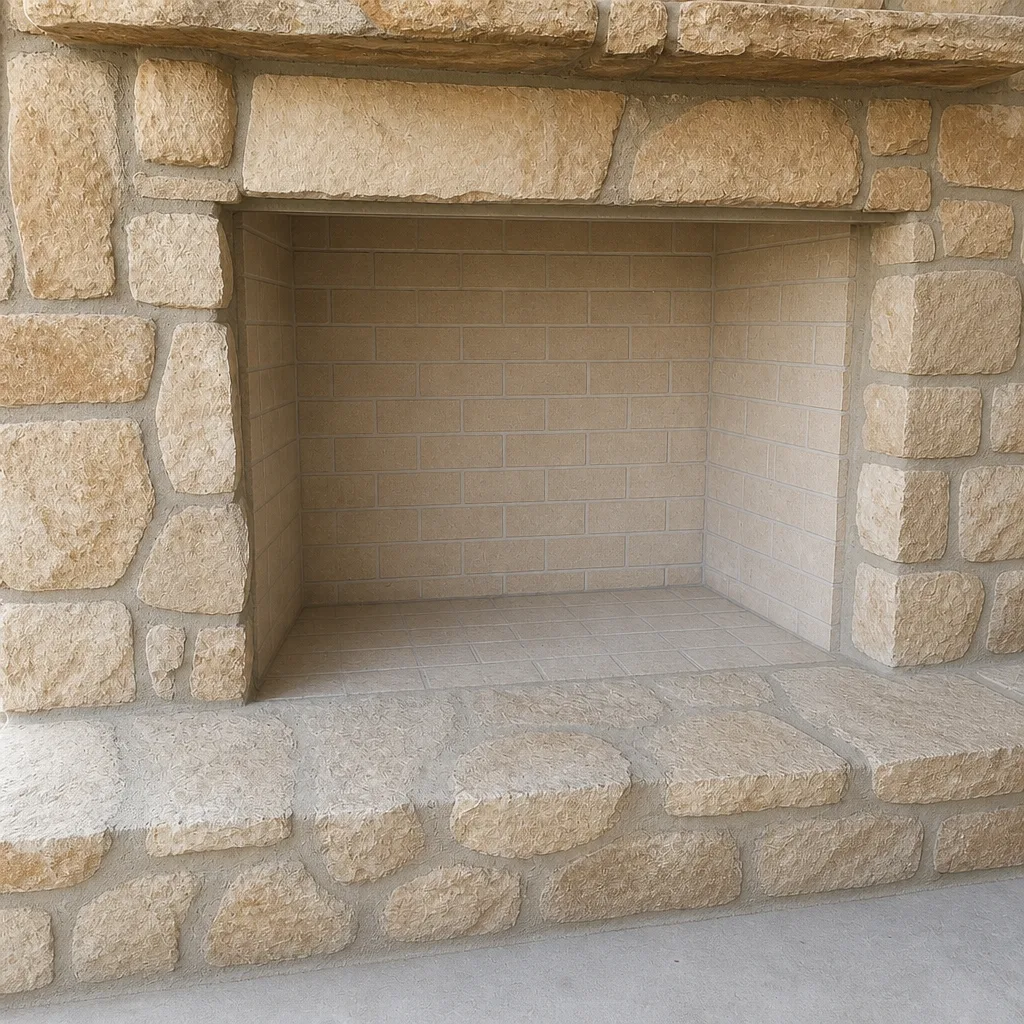
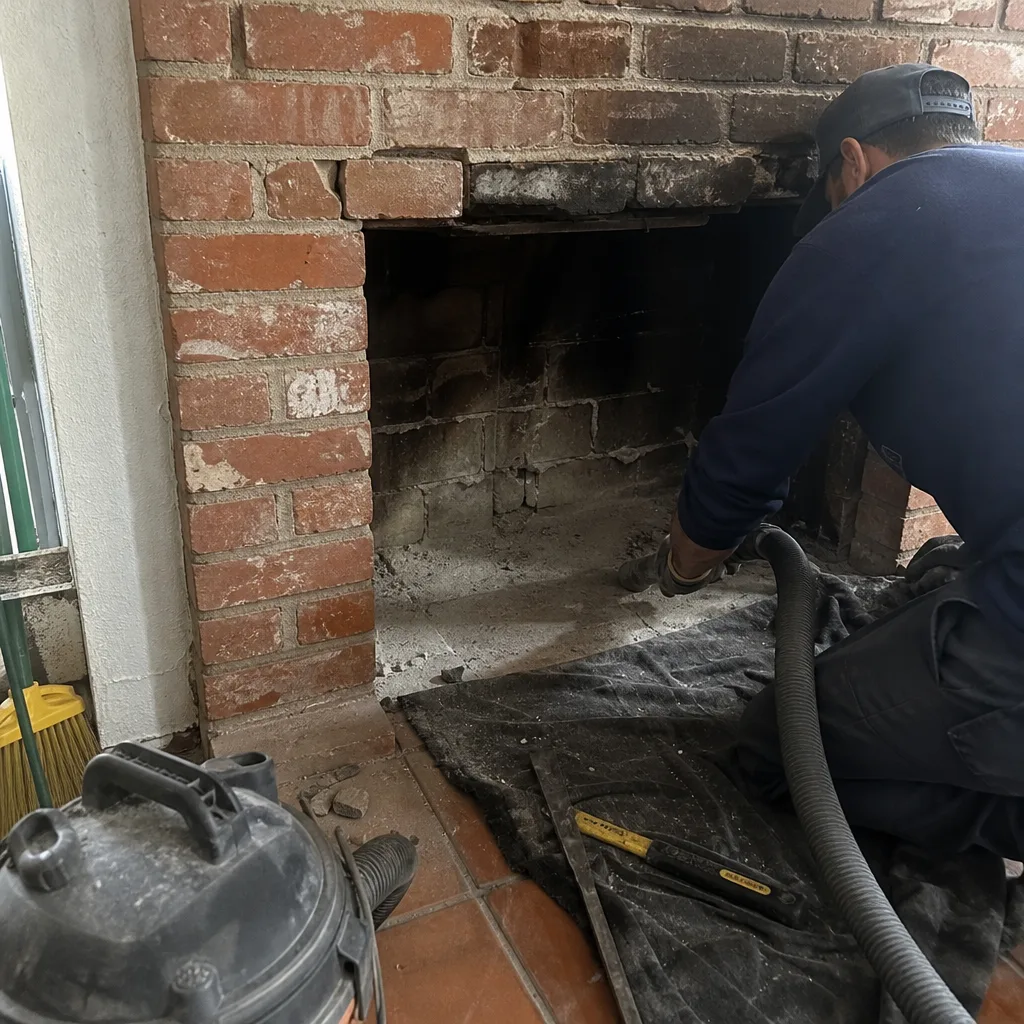
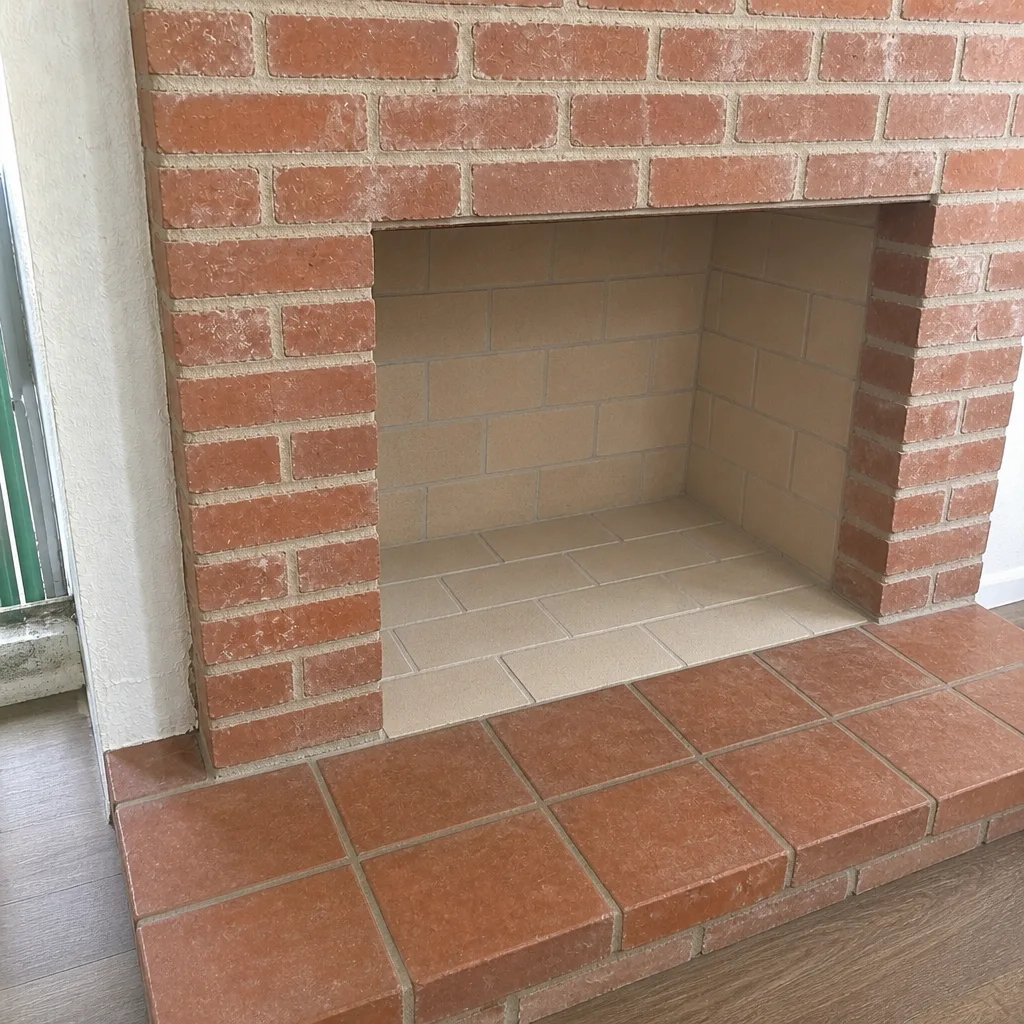
See the difference
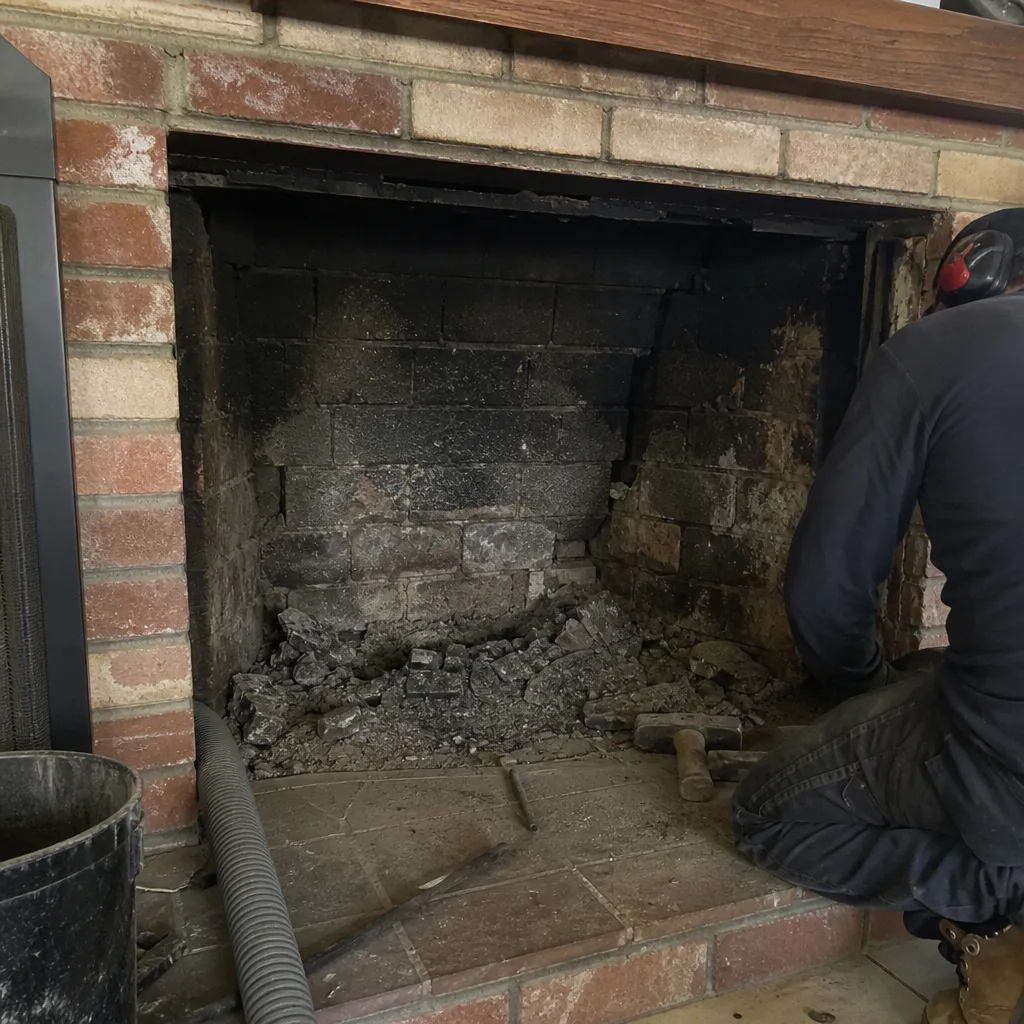 Before
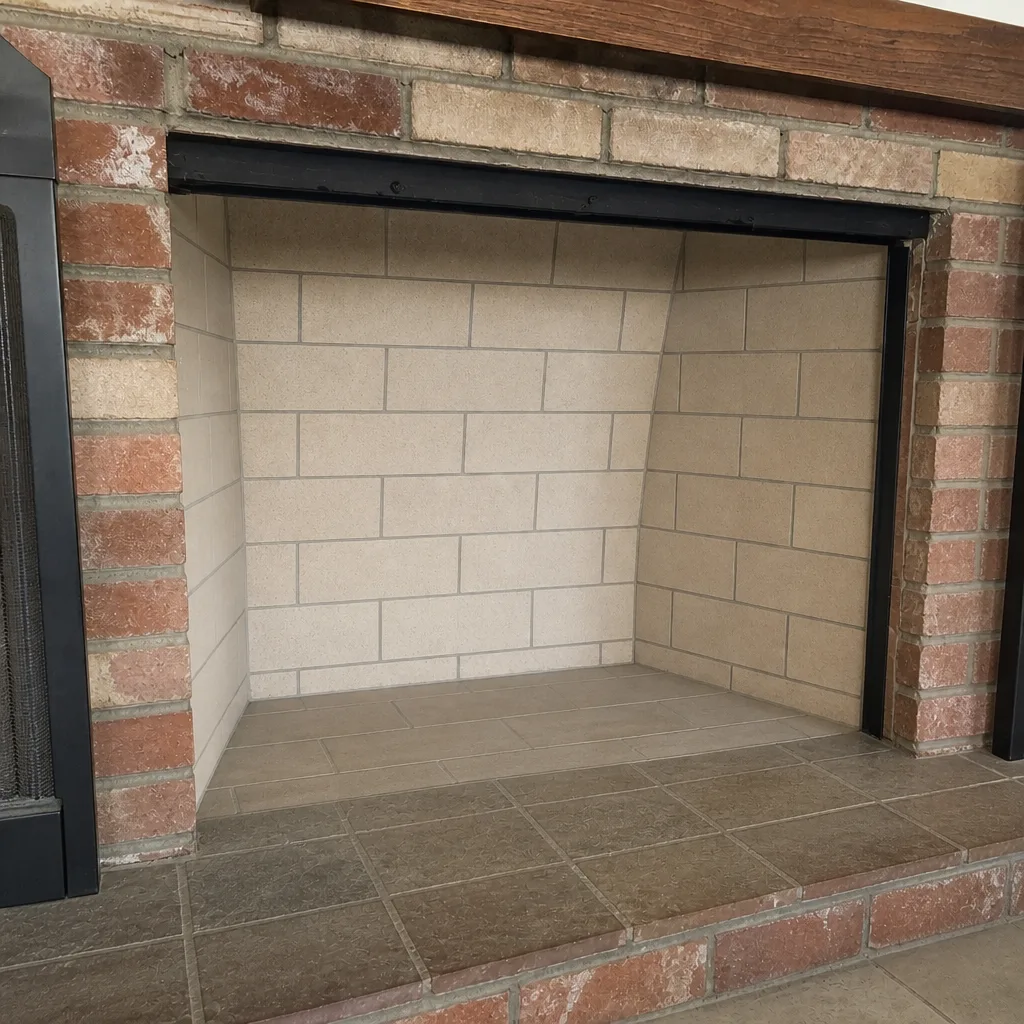 After
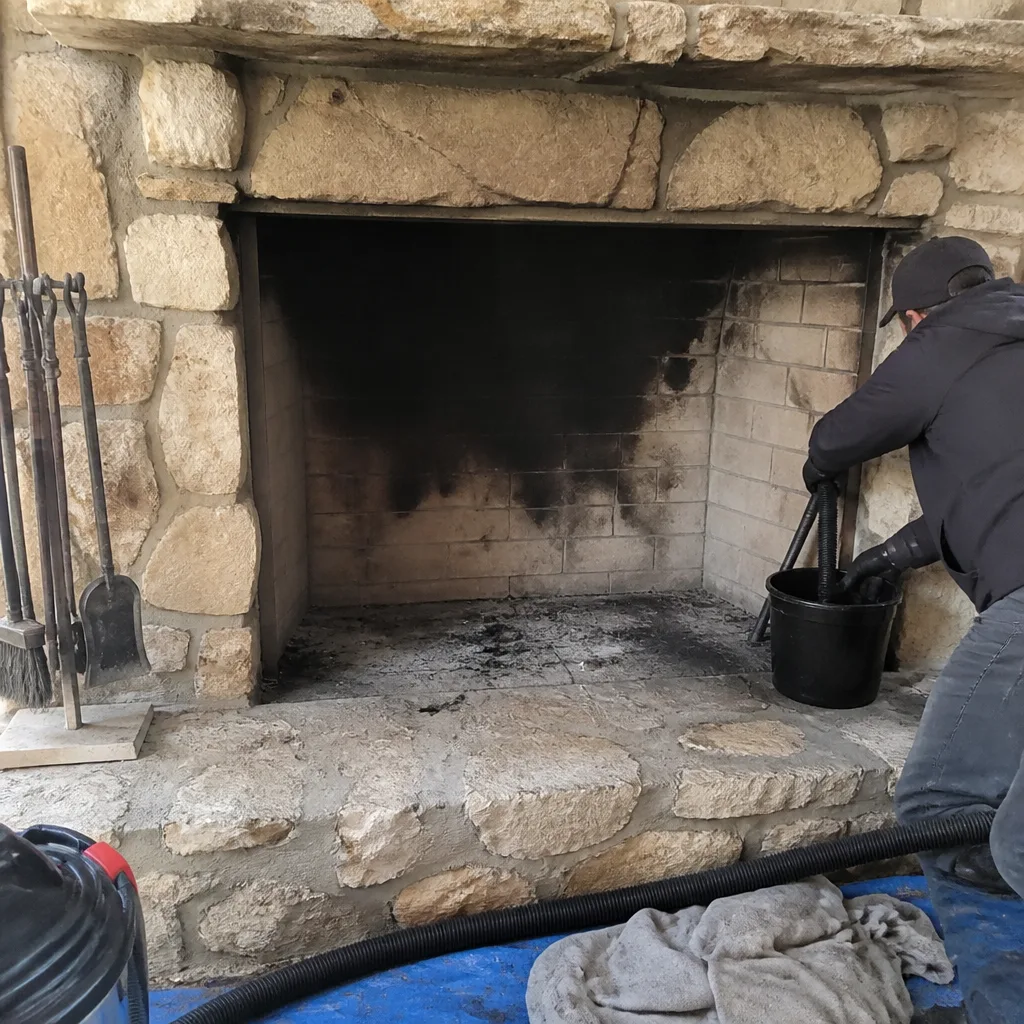 Before
 After
 Before
 After
When to Call a Professional
Some chimney situations are not DIY territory. If you see smoke backing into the living room, call. If you smell something burning when the fireplace hasn’t been used in days, call. If you’ve had any chimney fire, even one that seemed to burn itself out, call. If your camera inspection reveals cracks in the flue liner, call. If animals are living in your flue, call. These are problems where delay makes things worse, and where attempting a fix without proper equipment and training creates risk that isn’t worth taking. Chimney Sweep Apple Valley offers free estimates in Apple Valley – call (833) 901-6532. We answer 24/7. Fast dispatch from 7am to 7pm, Sunday through Friday.
Frequently Asked Questions
At minimum, once per year, and the best timing is March, after the burn season ends. Homes burning soft woods like pine, or burning daily through the winter, may need a mid-season sweep when creosote reaches 1/8 inch. The right answer for your fireplace depends on what you burn and how often, and a September inspection is the way to find out before the season starts. Call (833) 901-6532 for a free estimate.
Because the summer heat bakes residual creosote into a hard, glazed deposit. In cooler climates, creosote stays softer between seasons. In Apple Valley, attic and flue temperatures in the summer harden deposits to the point that they resist standard brushing and require rotary cleaning tools. Sweeping in March, before the heat arrives, is the single biggest cost-avoidance step a homeowner can take.
A standard chimney sweep in Apple Valley typically runs between $180 and $350, depending on the condition of the chimney, the amount of creosote present, and whether rotary cleaning is required. A Level 2 inspection with camera is more, and the estimate sets the final price. Call (833) 901-6532 for an exact quote – estimates are free.
Gas fireplaces don’t produce creosote, so brushing is less frequent, but they do need annual inspection. Gas combustion creates acidic condensation that corrodes flue liners, and venting problems are a carbon monoxide risk. A gas fireplace should be inspected every year, even if it doesn’t need sweeping every year.
If you’re buying or selling a home, have had a chimney fire, experienced earthquake activity, or changed the type of appliance using the chimney, then yes, you really do. NFPA 211 requires a Level 2 inspection in those situations, and any sweep who doesn’t recommend one after a chimney fire isn’t doing their job. If you’re unsure, ask the sweep to show you the camera footage. A legitimate inspection produces documentation you can see for yourself.
Once every 12 months at minimum. Households with pets, high-pile fabrics, long vent runs, or heavy laundry volume should clean every 6 to 9 months. The signs of a clogging vent are longer drying times, hot dryer exteriors, and a musty or burned smell in the laundry room. Call (833) 901-6532 to schedule a dryer vent cleaning in Apple Valley.
The Bottom Line
A chimney maintenance schedule for Apple Valley is not a generic annual reminder. It’s a rhythm built around the High Desert’s specific climate: inspect in September before the first burn, sweep in March before the summer heat makes creosote unmanageable, and monitor through the burn season if you’re burning soft woods or using the fireplace daily. Fold in an annual dryer vent cleaning, and you’ve covered the two most common fire hazards in a High Desert home. Know the products your sweep specifies, ask for camera evidence, and don’t skip the Level 2 inspection when circumstances warrant it. A clean chimney isn’t a luxury. It’s the basic maintenance that keeps a fireplace safe to use year after year.
Written by the team at Chimney Sweep Apple Valley, serving Apple Valley since 2018.