
Last updated November 4, 2026
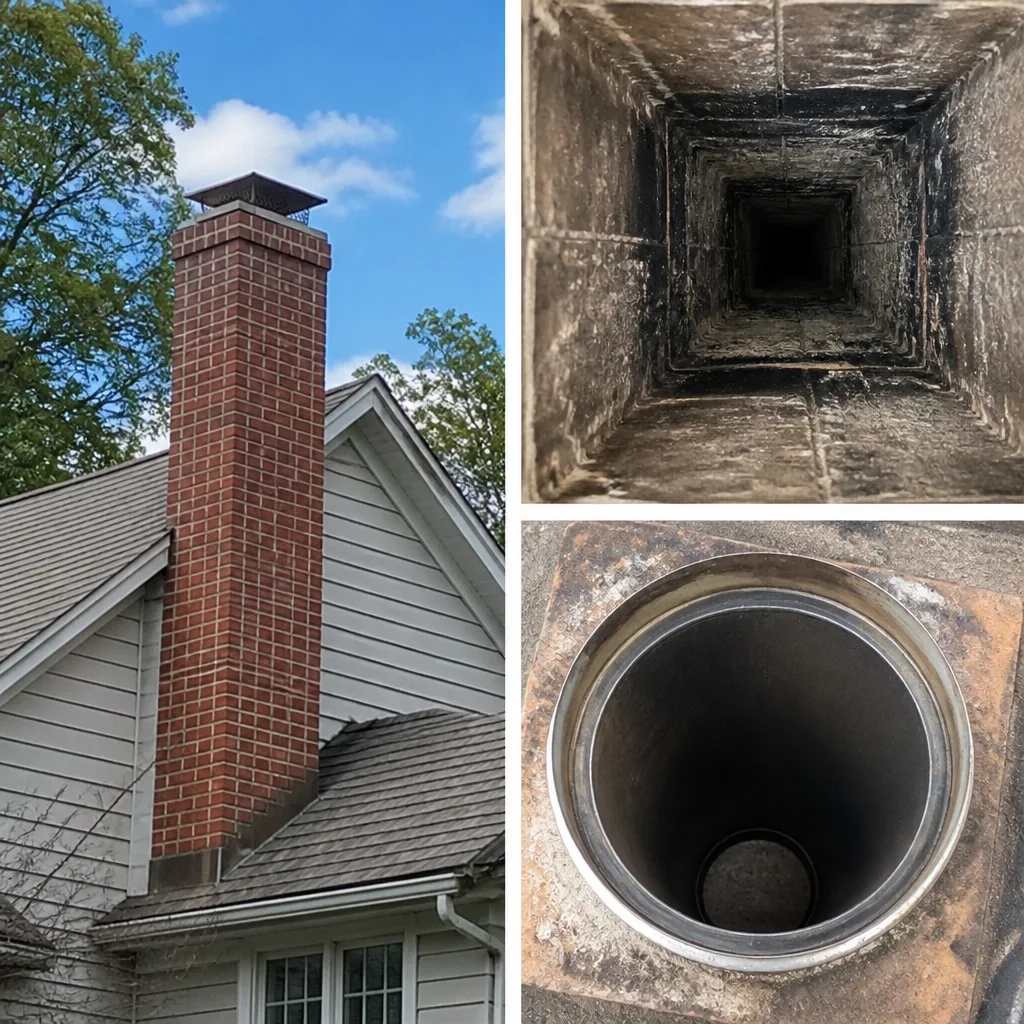 Sweep & inspection
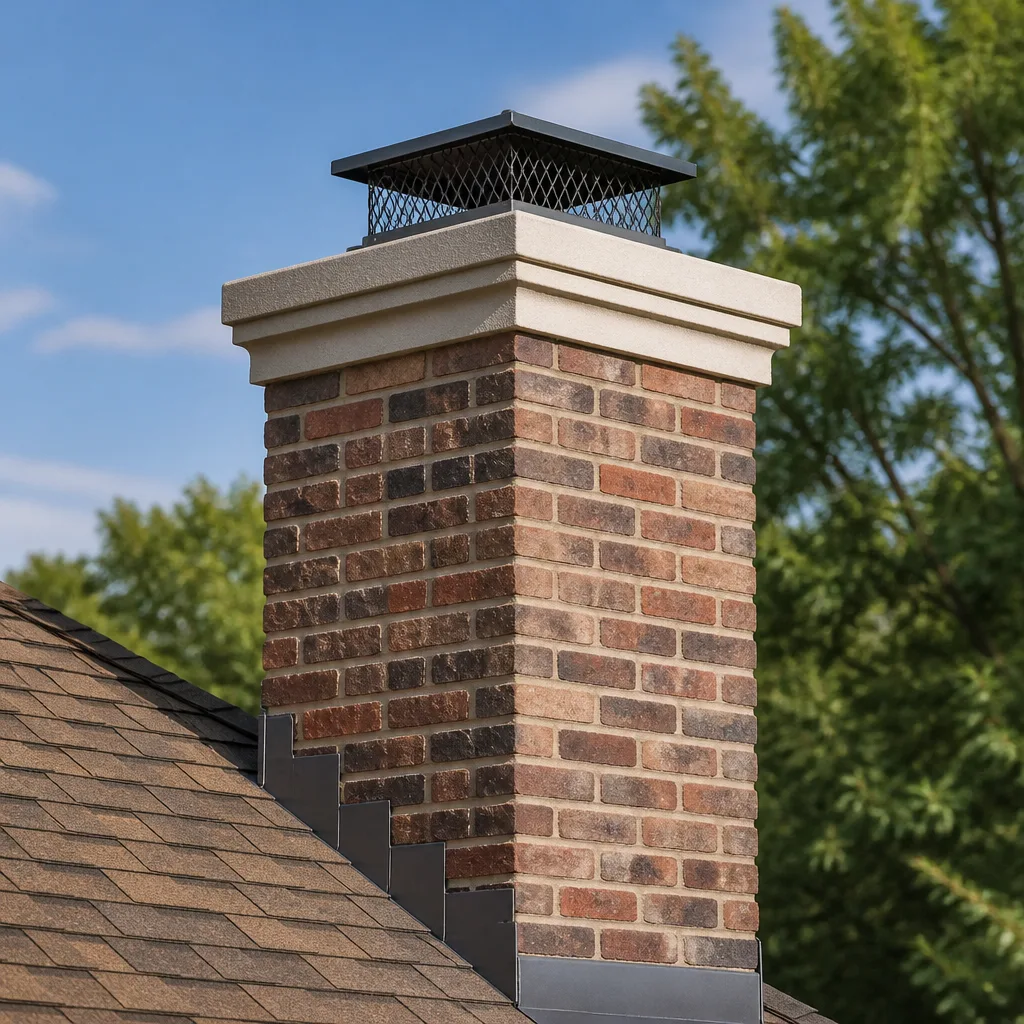 Caps & crowns
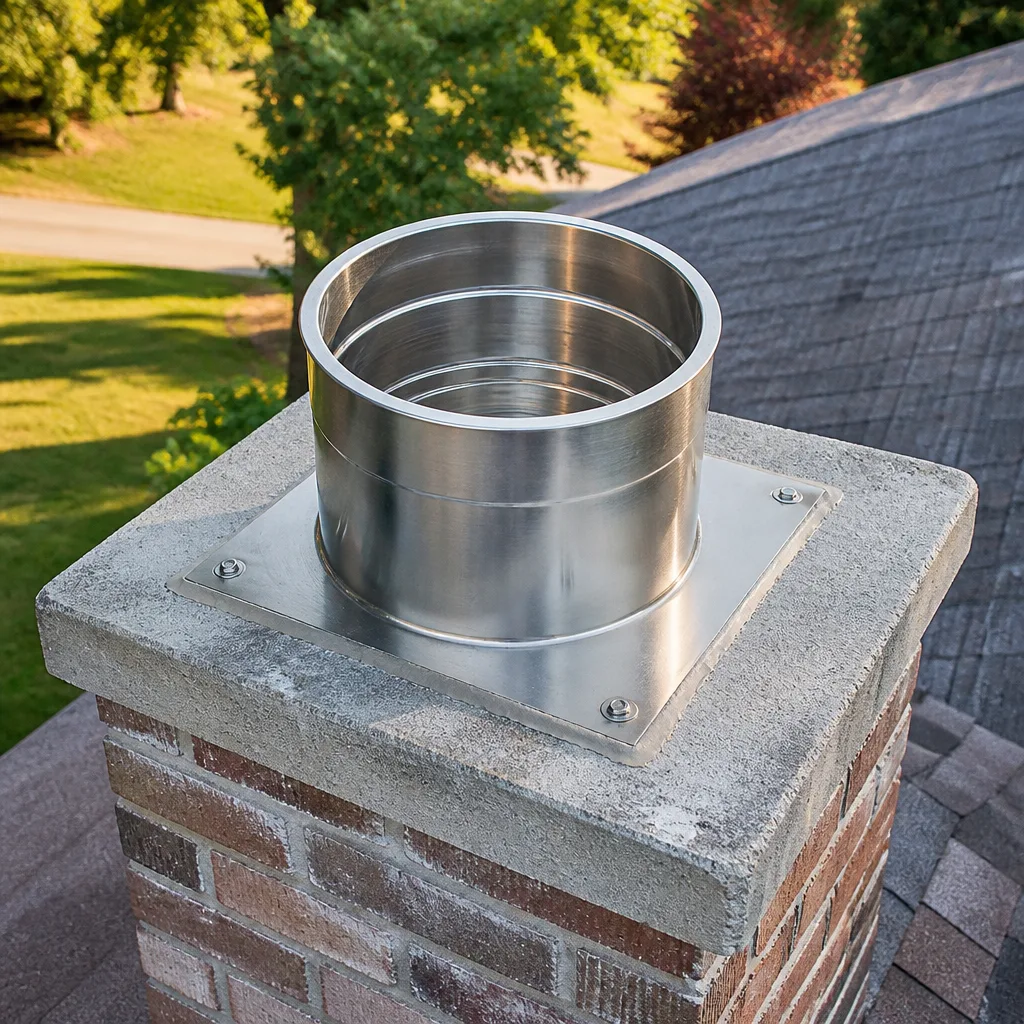 Flue relining
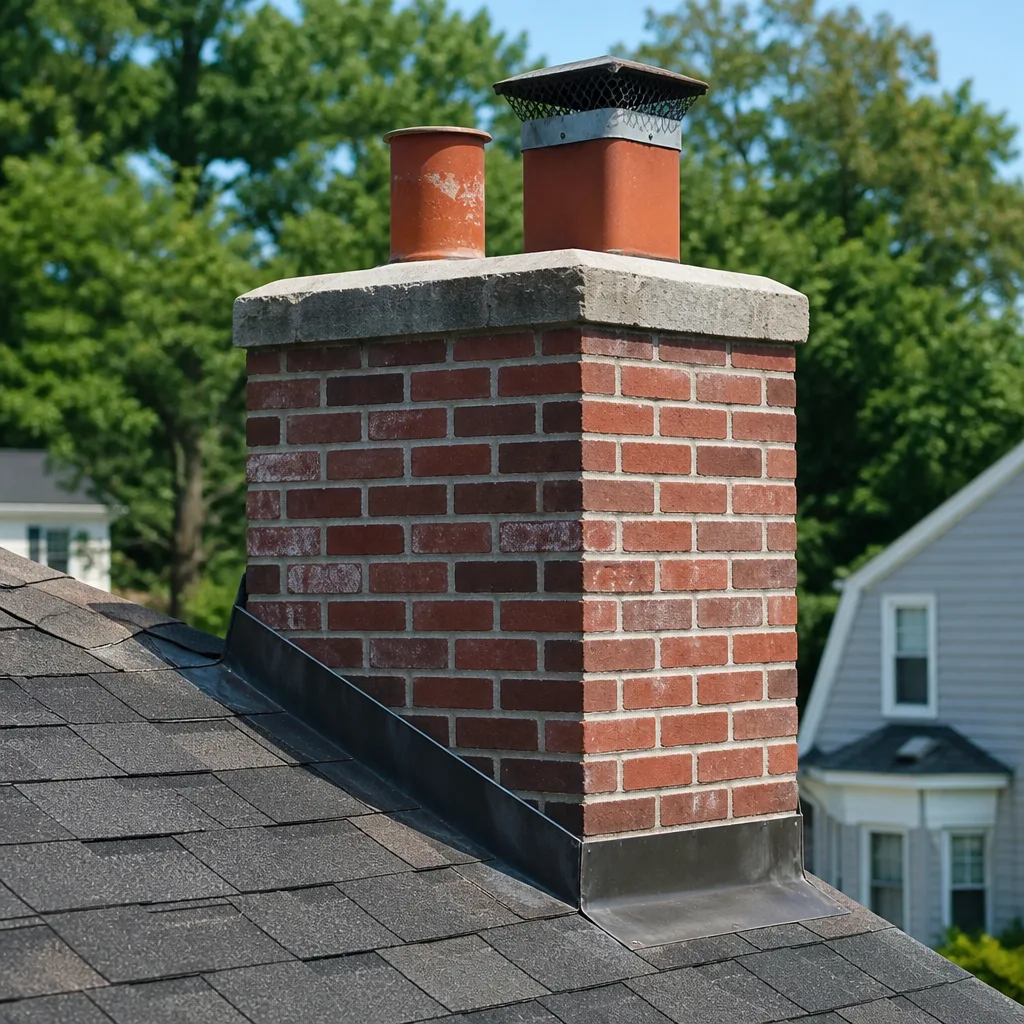 Masonry repair
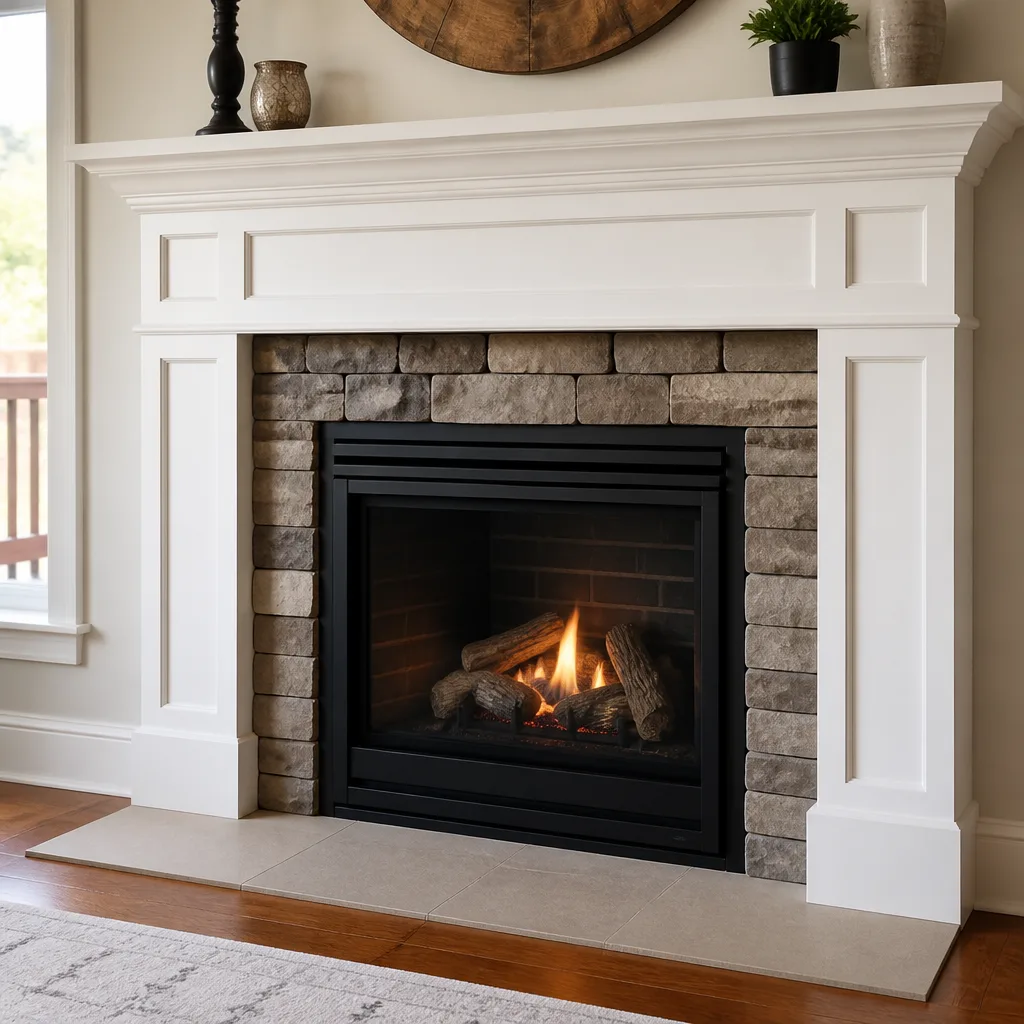 Gas fireplace service
Level 1 sweep and inspection to the NFPA 211 annual standard - flue, crown, cap, and flashing checked and photographed
Chimney sweep logs do not sweep chimneys. They loosen some creosote - which then falls where a brush and vacuum still have to collect it.
The Complete Guide to Chimney Cleaning in Apple Valley
Most chimney guides are written for humid climates where creosote builds up wet and sticky, coating flue walls in a tacky, tar-like layer. In Apple Valley’s dry high-desert air, creosote cures differently. It hardens faster, becomes brittle, and is far more likely to form the glazed Stage 3 deposits that a standard wire brush simply skates across without removing. This guide explains what that means for your fireplace, your dryer vent, and the way a chimney in Apple Valley should actually be maintained. You’ll learn how our specific climate changes the cleaning process, what a sweep should include, which liner materials hold up best here, and how to tell when a chimney can safely wait versus when it needs attention now.
Quick Answer
Chimney cleaning in Apple Valley typically costs between $180 and $350 for a standard sweep with a Level 1 inspection, and most homes with a wood-burning fireplace used regularly during fall and winter should be swept once per year. The dry Mojave Desert air causes creosote to cure into a hard, brittle glaze that resists standard brushing, which is why Apple Valley chimneys often require rotary cleaning tools and why dryer vents in this climate clog with ultra-fine dust faster than in coastal California. A proper sweep should always include a camera inspection you can see, and the best time to book it is late summer or early fall, before the first fire of the season.
Styles & brands we work with
- Sweep & inspection
- Caps & crowns
- Flue relining
- Masonry repair
- Gas fireplace service
Table of Contents
- How Apple Valley’s Desert Climate Changes Chimney Cleaning
- Creosote Stages and What They Mean for Your Chimney
- What a Proper Chimney Sweep Includes
- CSIA Inspection Levels Explained
- How Often Should You Clean Your Chimney in Apple Valley?
- Brush Types and Why They Matter
- Liners, Caps, and Damper Wear in the High Desert
- Dryer Vent Cleaning: The Overlooked Fire Risk
How Apple Valley’s Desert Climate Changes Chimney Cleaning
Apple Valley sits in the Victor Valley, roughly 3,000 feet up in the Mojave Desert. The air here is dry most of the year, with relative humidity routinely dropping below 20 percent. That single fact changes how a chimney accumulates deposits and how those deposits behave when a chimney sweep goes after them. In coastal cities, creosote forms as a sticky, tar-like film that a stiff poly brush can pull off in long strips. Here, the same creosote dries out between fires. It cures into a dense, brittle crust that adheres to flue tiles with surprising force. We often see deposits in Apple Valley that look more like black ceramic than pine tar.
The second variable is particulate dust. The high desert produces fine, abrasive dust that settles on everything, and your chimney is no exception. When the wind picks up, as it does in spring and early fall, that dust gets pulled into the chimney chase and down through the flue. It mixes with whatever creosote is present, forming a gritty, sandpaper-like layer. Left alone, that grit accelerates wear on clay tile liners every time the chimney drafts. It also shortens the effective life of a rain cap, which I’ll cover later.
Temperature swings matter too, though not in the freeze-thaw way you’d see in the Midwest. Apple Valley can see a 40-degree spread between noon and midnight in the fall. That repeated expansion and contraction stresses mortar joints in masonry chimneys. A hairline crack that would stay dormant in a more stable climate can open up just enough to let flue gas into the chimney chase. It’s one reason annual inspections here are not just about creosote; they’re about catching structural movement early.
Creosote Stages and What They Mean for Your Chimney
Creosote forms in three recognized stages, and knowing which stage you have tells you whether a standard sweep will work or whether more aggressive measures are needed.
Stage 1: Flaky Soot
This is the easiest deposit to remove. It’s a light, brushable soot that forms when fires burn hot and the chimney drafts well. In Apple Valley’s dry air, Stage 1 creosote often stays loose and powdery, which is good news. A standard sweep removes it without much trouble. Most chimneys that are swept annually never get past this stage.
Stage 2: Crusty Flakes
Stage 2 is where Apple Valley’s climate starts to matter. The creosote has baked into a hard, shiny crust with visible flaking. It’s not yet glazed, but it’s no longer loose. A poly brush alone will struggle. Technicians typically need a stiffer wire brush or a rotary head with metal cutting wire to break the crust free. If you burn soft woods like pine or cottonwood, which are common in this region, Stage 2 can develop within a single season if fires are frequent and low-temperature.
Stage 3: Glazed Creosote
Stage 3 is the dangerous one. It’s a dense, tar-like glaze that has essentially hardened into a coating bonded to the flue wall. In humid climates, Stage 3 is often sticky and can be softened with chemical treatments. In Apple Valley, the low humidity tends to produce a drier, more brittle glaze that resists chemical softeners. Rotary cleaning with a chain whip head is usually the only reliable way to remove it without damaging the liner. If you ever hear a technician say your chimney has “glazed creosote,” that’s not a scare tactic; it’s a legitimate fire-safety finding that requires more than a basic brush sweep.
What a Proper Chimney Sweep Includes
A professional sweep in Apple Valley should be more than a guy with a round brush. Here’s what we include in every cleaning we perform, and what you should expect from any company you hire.
- Drop cloths and dust containment. The workspace around the fireplace gets protected before any brush goes up the flue. In Apple Valley, where desert dust already tracks into homes, the last thing you want is a sweep that leaves soot on your carpet.
- Flue brushing or rotary cleaning. The technician runs the appropriate brush up the entire length of the flue, full smoke chamber to rain cap. For Stage 2 or 3 deposits, that means a rotary tool, not a hand brush.
- Smoke chamber cleaning. The smoke chamber above the firebox is a common hiding spot for creosote. It should be scraped and vacuumed every time. Skipping it is a sign of a lazy sweep.
- Firebox and damper cleaning. The firebox gets cleared of ash and debris, and the damper is checked for smooth operation and rust.
- Camera inspection. This is non-negotiable. After the cleaning, a camera should go up the flue and show you the interior walls. If the company doesn’t offer this, call someone else. We show every customer their flue on camera before we discuss any repair recommendation. Nothing gets recommended without visual evidence.
- Rain cap and chase cover check. The top of the chimney gets inspected for cap damage, debris buildup, and animal entry points.
- Written findings. You should receive a report of what was found, what was done, and what (if anything) needs monitoring or repair.
CSIA Inspection Levels Explained
The Chimney Safety Institute of America defines three levels of chimney inspection. Most homeowners in Apple Valley don’t need a Level 3 every year, but knowing what each level covers helps you understand what you’re paying for.
Level 1: The Standard Annual Check
A Level 1 inspection is what happens during a routine sweep. The technician inspects all readily accessible parts of the chimney: flue interior, firebox, damper, cap, and exterior masonry. It’s the right level when nothing has changed since the last sweep, no new appliance has been installed, and you use the fireplace the same way you always have. For most Apple Valley homes with a single wood-burning fireplace, Level 1 is all you need each year.
Level 2: When Something Changes
Level 2 adds video scanning of the flue interior and inspection of attic, crawlspace, and roof areas around the chimney. It’s required when you’re buying or selling a home, after a chimney fire, after an earthquake or major wind event, or when you switch fuel types, such as converting a wood-burning fireplace to gas. In Apple Valley, we also recommend Level 2 after any major spring windstorm that visibly moved your cap or caused debris impact. High-desert winds can do real damage to exposed chimneys.
Level 3: When Damage Is Suspected
Level 3 is the most invasive. It may involve removing chimney components or portions of the structure to access hidden areas. This level exists for cases where a Level 1 or 2 inspection suggests a serious problem, like a hidden flue fire or structural compromise. Most homeowners will never need a Level 3, but if a technician recommends it, they should be able to show you exactly what they saw on camera that led to that recommendation.
How Often Should You Clean Your Chimney in Apple Valley?
The standard recommendation from CSIA is that a chimney should be swept when creosote reaches 1/8 inch of thickness, and most wood-burning households hit that after one full burn season. In Apple Valley, two factors affect this schedule. The dry air causes creosote to harden faster, but it also means many homes burn more efficiently during cold winter nights when temperatures drop quickly after sunset. A family burning several fires a week from November through February will usually need an annual sweep, done in late summer or early fall.
Gas fireplace inserts don’t produce creosote, but they can still accumulate dust, spider webs, and debris in the vent. In Apple Valley, fine desert dust works its way into gas venting too. We recommend a cleaning and inspection for gas fireplaces every two years at minimum. It’s less about creosote and more about ensuring the vent path is clear and drafting correctly.
If you use manufactured logs or burn primarily hardwoods like oak and walnut, your creosote accumulation will be slower. If you burn pine, cedar, or cottonwood, which are common in this part of the high desert, expect faster accumulation. Soft woods produce more creosote per fire, and that’s just physics.
Key takeaway: a wood-burning fireplace used throughout the fall and winter in Apple Valley needs an annual sweep. A gas insert needs attention every two years. A rarely used decorative fireplace can go longer, but should still be inspected before you fire it up after a long hiatus.
Brush Types and Why They Matter
Not all chimney brushes are interchangeable, and the wrong brush in the wrong flue can do real damage. Here’s what we use and why.
Poly Brushes
Poly brushes are made of polypropylene bristles and are gentler than metal. They work well for routine maintenance sweeps on stainless steel liners and HeatShield-relined flues. We use a poly brush on the vast majority of standard sweeps because it cleans effectively without scratching. For Apple Valley’s drier, dustier deposits, a poly brush with a dense bristle pattern handles Stage 1 and light Stage 2 creosote well.
Wire Brushes
Wire brushes use steel or stainless-steel bristles and are more aggressive. They’re appropriate for clay tile flues with Stage 2 deposits or heavy buildup. The stiffer bristles bite into hardened creosote that a poly brush would skate over. The caveat is that a steel wire brush should never be used on a stainless liner; it can scratch the surface and create sites where creosote re-adheres more easily. That’s one reason we ask about liner material before any sweep.
Rotary Heads and Chain Whips
When creosote reaches Stage 3 glazed condition, a standard hand brush, whether poly or wire, won’t get the job done. We use a rotary drill-driven head with cutting wire or a chain whip attachment. The spinning action chisels the hardened glaze off the flue wall without the technician having to scrape manually. In Apple Valley, where glazed Stage 3 is more common than in coastal California due to the fast cure rate, having rotary capability is the difference between a clean flue and a false sense of security.
A word on the relevant brands here: we stock and work with DuraFlex, HeatShield, and Copperfield products. DuraFlex is a flexible stainless liner system that holds up well in high-desert conditions because it expands and contracts without cracking. HeatShield is a resurfacing material used to repair deteriorating flue liners without a full reline. Copperfield makes caps and dampers that we specify when a replacement is needed. These are professional-grade materials, not whatever ships fastest from a big-box store, and that matters in a climate that’s harder on chimneys than most.
Liners, Caps, and Damper Wear in the High Desert
The Mojave Desert does not treat chimney components gently. Here’s how the environment affects each part of the system and what to watch for.
Flue Liners
Clay tile liners are still the most common type in older Apple Valley homes, and they’re fine until they’re not. The wide temperature swings we see between day and night put repeated stress on the mortar joints between tiles. A small crack isn’t a house fire waiting to happen, but it is a path for flue gas to escape into the chase, and it will only get worse. When we find cracks or spalling during a camera inspection, we’ll show you the footage and explain your options. A full reline with DuraFlex is sometimes the right call. In many cases, HeatShield resurfacing can restore the liner’s integrity at a lower cost. We don’t recommend a full reline just because a crack exists; we recommend what the camera shows is needed.
Rain Caps
The rain cap is your first line of defense against wind-driven debris and animals. In Apple Valley, the wind is a more persistent threat than rain. Spring windstorms kick up sand and fine gravel that can pepper a cheap cap and dent or jam the mesh. We routinely see caps that are loose, missing screws, or entirely gone. A missing cap allows birds, rodents, and wind-blown debris into the flue. A deteriorating cap also changes draft behavior. If your cap is more than six or seven years old and you can see rust, dents, or a warped mesh screen from the ground, it’s worth having someone look at it before burn season. We specify Copperfield caps when we replace them because their mesh holds up to abrasive desert wind better than the lighter gauge options sold at home centers.
Dampers
The throat damper above your firebox has one job: seal the flue when the fireplace isn’t in use. In Apple Valley’s dry climate, dampers don’t rust out like they do in coastal air, but they do warp from heat cycling. A warped damper won’t close fully, which means conditioned air escapes up the chimney all summer and cold air drops down into the living room in winter. If you can feel a draft when the fireplace isn’t in use, have the damper checked. Famco makes replacement dampers and damper caps we use when a repair is warranted.
Dryer Vent Cleaning: The Overlooked Fire Risk
Chimneys get all the attention, but dryer vents are statistically a more common source of house fires. The National Fire Protection Association reports that dryer vents account for thousands of structure fires annually, and most of them are caused by one thing: lint buildup that never gets cleaned. In Apple Valley, the risk is compounded by the same fine dust that affects chimneys. Lint is already highly flammable. When it’s mixed with fine desert particulate and baked dry in the vent, it becomes even easier to ignite.
We offer dryer vent cleaning as a standalone service because we kept running into homes where the chimney was spotless and the dryer vent was a hair away from disaster. It’s the same principle: a camera inspection to see what’s actually in the vent, then a rotary cleaning to remove what the brush finds. One call covers your chimney and your dryer vent, and in a climate where both accumulate the same fine dust, bundling them makes sense.
The signs of a clogged dryer vent include longer drying times, a burning smell during operation, the dryer feeling unusually hot to the touch, and the exterior vent flap not opening fully. If you notice any of these, stop using the dryer until the vent can be cleaned. A dryer vent that’s full of compacted lint is a fire waiting for a spark.
Common Mistakes to Avoid
- Waiting until the first cold night to book a sweep. By late October, every chimney company in the Victor Valley is booked out. Booking in August or September means you get a date that suits you and your chimney is ready before the first fire.
- Assuming a gas-only home doesn’t need chimney service. Gas inserts don’t make creosote, but their vents still clog with dust and debris in Apple Valley’s air. A two-year cleaning and inspection cycle is still needed.
- Using the wrong brush on the wrong liner. A steel wire brush on a stainless liner will scratch it and create sites for creosote to grab. Always verify liner material before any cleaning, or hire a company that does.
- Ignoring the rain cap. A missing or damaged cap in high-desert wind means animals, sand, and debris in the flue. It also changes draft performance. A cap is cheap insurance compared to the animal extraction or flue blockage it prevents.
- Assuming creosote is the only thing a sweep checks. A proper sweep includes the smoke chamber, damper, cap, and flue liner condition. Hire a company that does the full job, not just the brush-through-the-flue version.
- Burning pine and cottonwood without more frequent sweeps. Soft woods common to the high desert produce more creosote per fire than dense hardwoods. If that’s your fuel source, an annual sweep is a minimum.
- Skipping the camera inspection. Any sweep that ends without you seeing camera footage of your flue interior is incomplete. You need visual evidence of what was found, not someone’s verbal assurance.
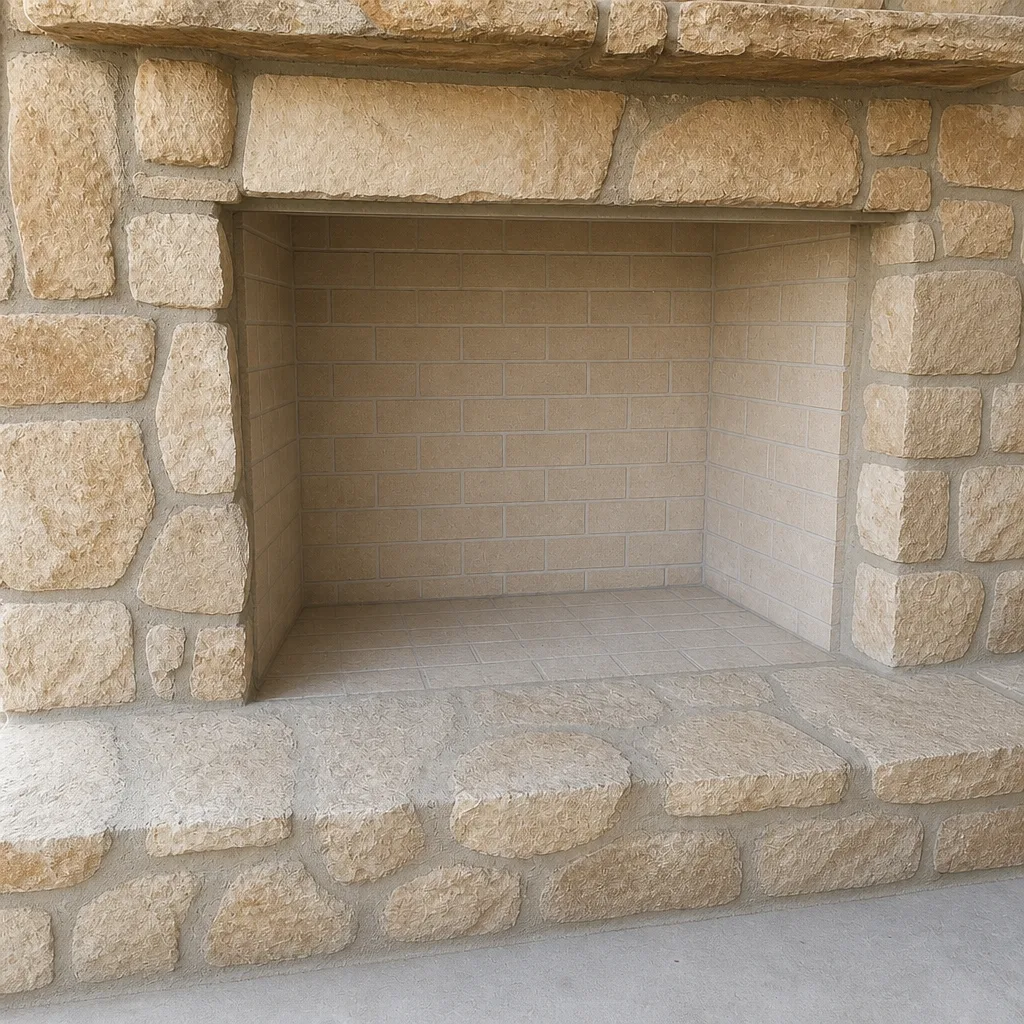
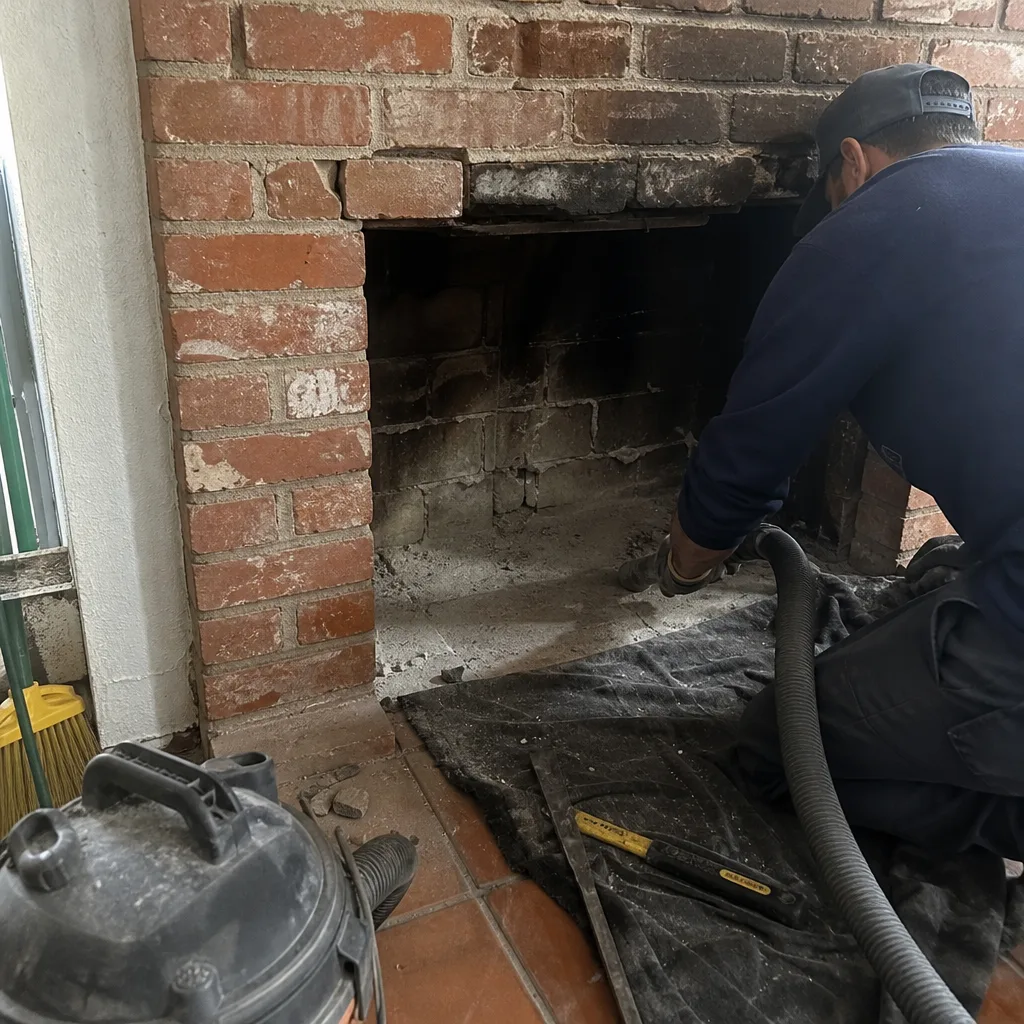
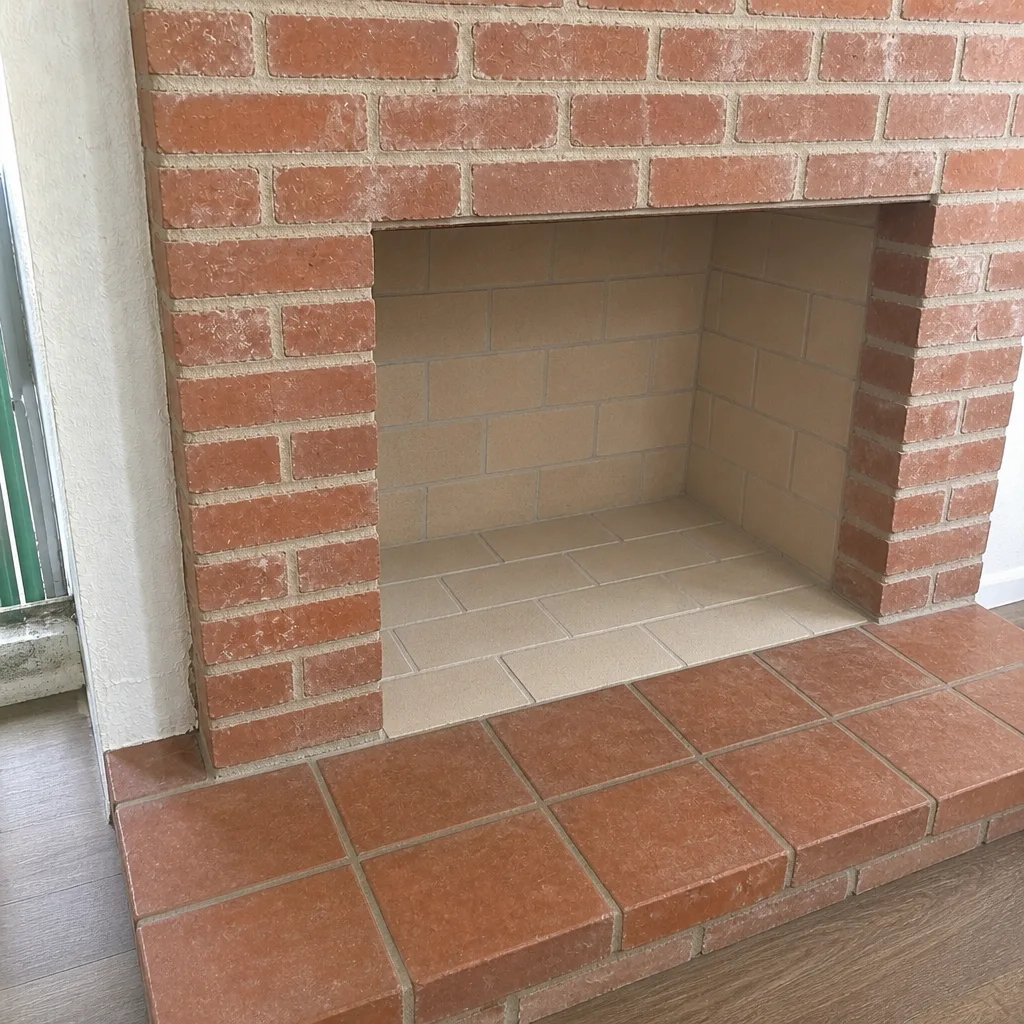
See the difference
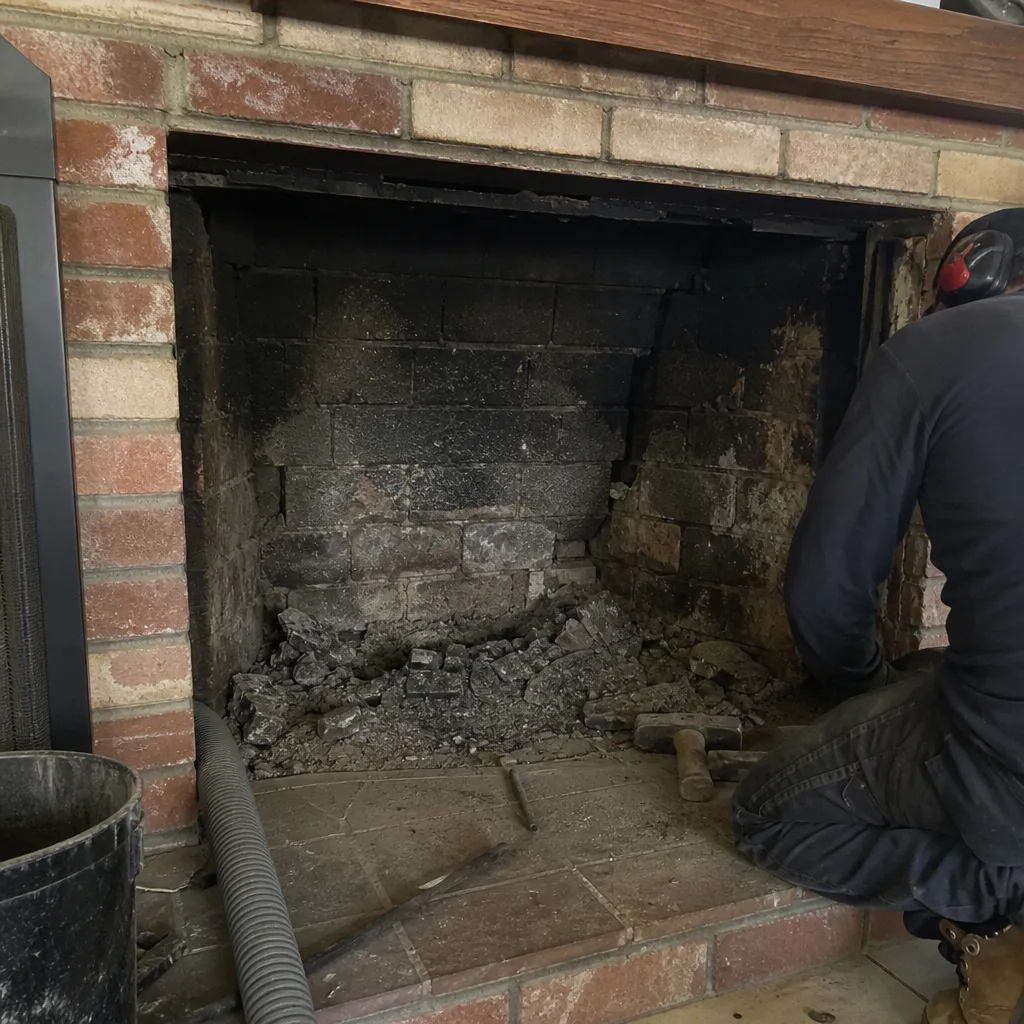 Before
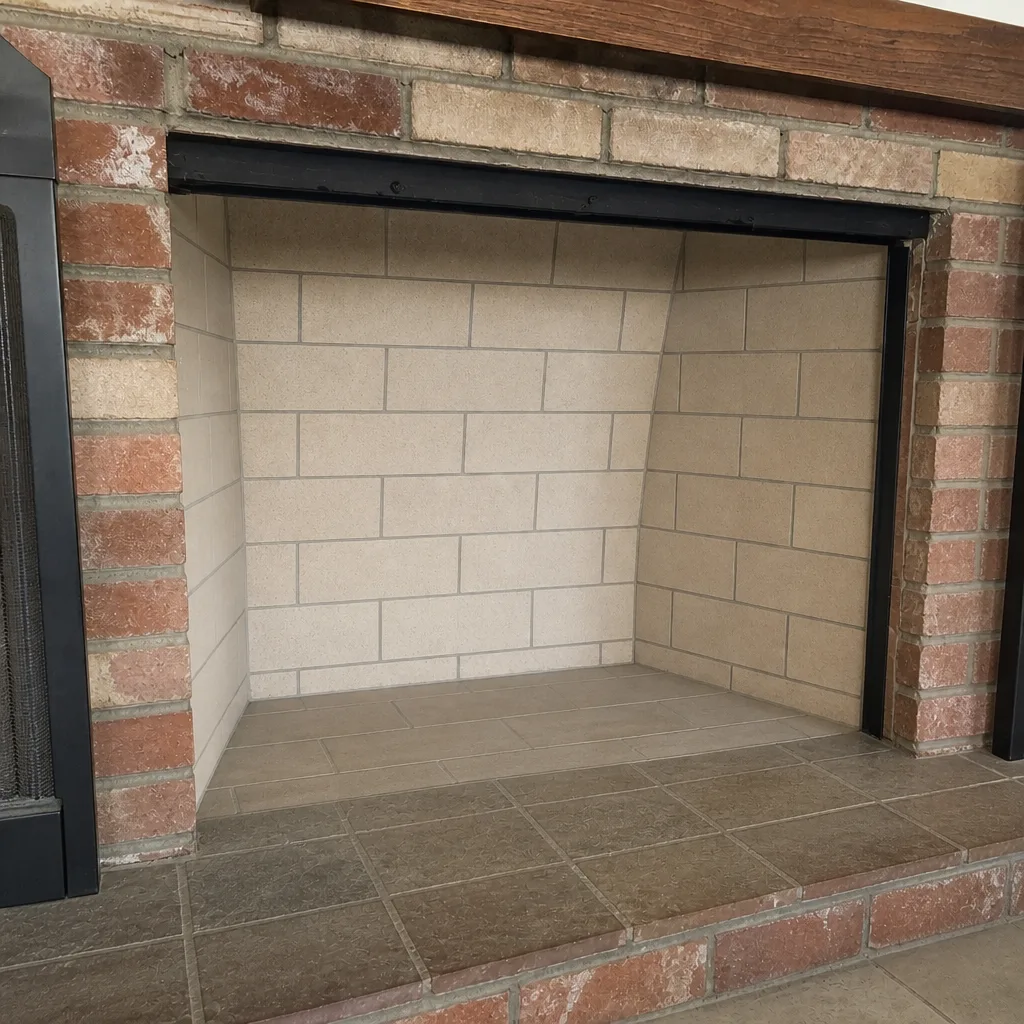 After
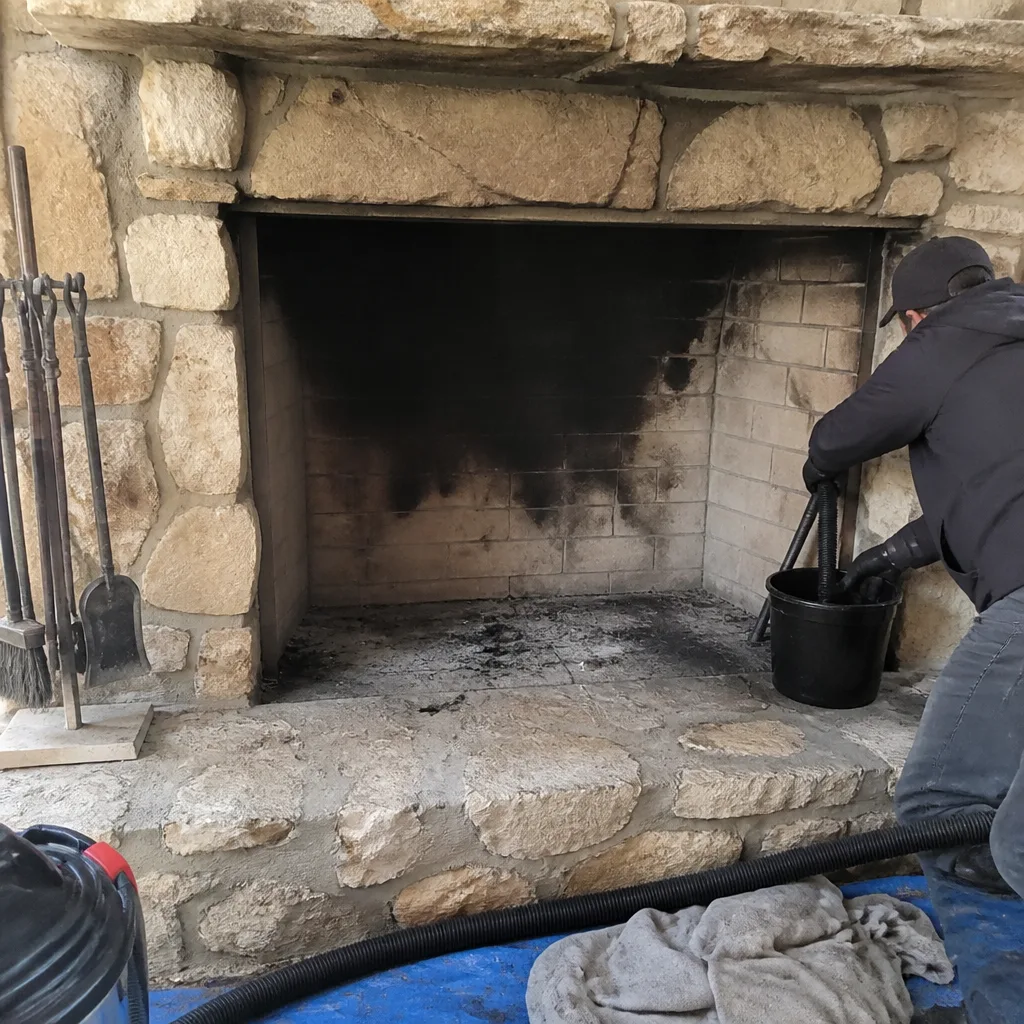 Before
 After
 Before
 After
When to Call a Professional
Chimney cleaning is not a DIY job in most circumstances, and in Apple Valley’s conditions, the stakes are higher. If you see glazed creosote, smell a strong campfire odor when the fireplace isn’t in use, or notice dark stains on the walls around your mantle, call a professional. If your damper won’t stay open or closed, if your rain cap is missing, or if you hear animals in the chimney, those are all calls worth making. And if your dryer takes twice as long to dry a load as it used to, stop using it and get the vent cleaned before the lint reaches ignition temperature. Chimney Sweep Apple Valley offers free estimates in Apple Valley. Call (833) 901-6532. We answer 24/7. Fast dispatch from 7am to 7pm, Sunday through Friday.
Frequently Asked Questions
A standard chimney sweep with a Level 1 inspection in Apple Valley typically runs $180 to $350, depending on the height of the flue, the liner material, and the amount of creosote present. If rotary cleaning is needed for hardened Stage 2 or Stage 3 deposits, expect the job to cost more, since it takes longer and requires specialized heads. The written estimate sets the final price before any work begins. Call (833) 901-6532 for an exact quote. Estimates are free.
Most cracked or deteriorating flue liners can be repaired without a full reline, and that’s what HeatShield resurfacing is designed to do. The material restores the smooth, insulating surface inside the existing flue, sealing cracks and protecting the surrounding masonry. A full reline with DuraFlex flexible stainless is the right call when the original liner has failed structurally or when a new appliance requires a different flue size. We show you the camera footage of the damage before recommending either path. Nothing gets recommended without evidence you can see.
A wood-burning fireplace in Apple Valley used regularly during fall and winter should be swept once a year, ideally in late summer or early fall before the first fire. Gas fireplaces don’t create creosote but still benefit from a cleaning and vent check every two years. If you burn pine, cedar, or cottonwood, sweep more frequently, not less.
Creosote accumulates in layers. The more there is, the more efficiently it burns. A chimney fire doesn’t always announce itself with flames shooting out the top; many happen quietly and are only discovered when heat damage shows up inside the flue. In Apple Valley’s dry air, creosote cures into a brittle glaze that’s actually harder to remove the longer it sits, so delaying a sweep means the eventual cleaning is more involved and more expensive. It also means you’re burning fires in a system that isn’t drafting as well as it should be. Call (833) 901-6532 to book a sweep before the season starts.
Yes, though for different reasons than wood-burning fireplaces. Gas inserts don’t produce creosote, but the vent still collects dust, spider webs, and wind-blown debris. In Apple Valley, where fine desert particulate gets into every vent, a gas fireplace vent can become obstructed over a couple of seasons. A clogged vent affects drafting and can push combustion gases back into the living space. We recommend a cleaning and inspection for gas fireplaces every two years.
No, they’re different services with different tools and different access points. A chimney sweep addresses the flue above your fireplace or insert. A dryer vent cleaning addresses the duct that runs from the back of your dryer to the exterior of the house. What they share is the fire-safety principle: both accumulate combustible material that needs to be removed mechanically. Many chimney-only companies skip dryer vents, but we handle both under one visit. You can book a Chimney Sweep Apple Valley appointment that covers both systems in a single call.
The Bottom Line
Chimney cleaning in Apple Valley is a climate-specific job, not a one-size-fits-all process. The dry Mojave Desert air changes how creosote forms, how dust affects flue liners, and how fast caps and dampers wear. A proper sweep here means understanding those conditions and using the right tools for them: poly brushes on steel liners, rotary heads on glazed deposits, and camera inspections every time. Whether you burn wood, use a gas insert, or just run a dryer, the combination of creosote, lint, and fine desert dust is a fire risk that compounds when ignored. Our company covers the full chimney-health scope, from sweeping to liner repair to dryer vent clearing, using professional-grade products like DuraFlex, HeatShield, and Copperfield. If you live in Apple Valley and haven’t had your flue looked at this year, call (833) 901-6532 for a free estimate. We answer 24/7. Fast dispatch from 7am to 7pm, Sunday through Friday. Your first fire of the season should be a warm one, not a risky one.
Written by the team at Chimney Sweep Apple Valley, serving Apple Valley since 2018.