
Last updated November 4, 2026
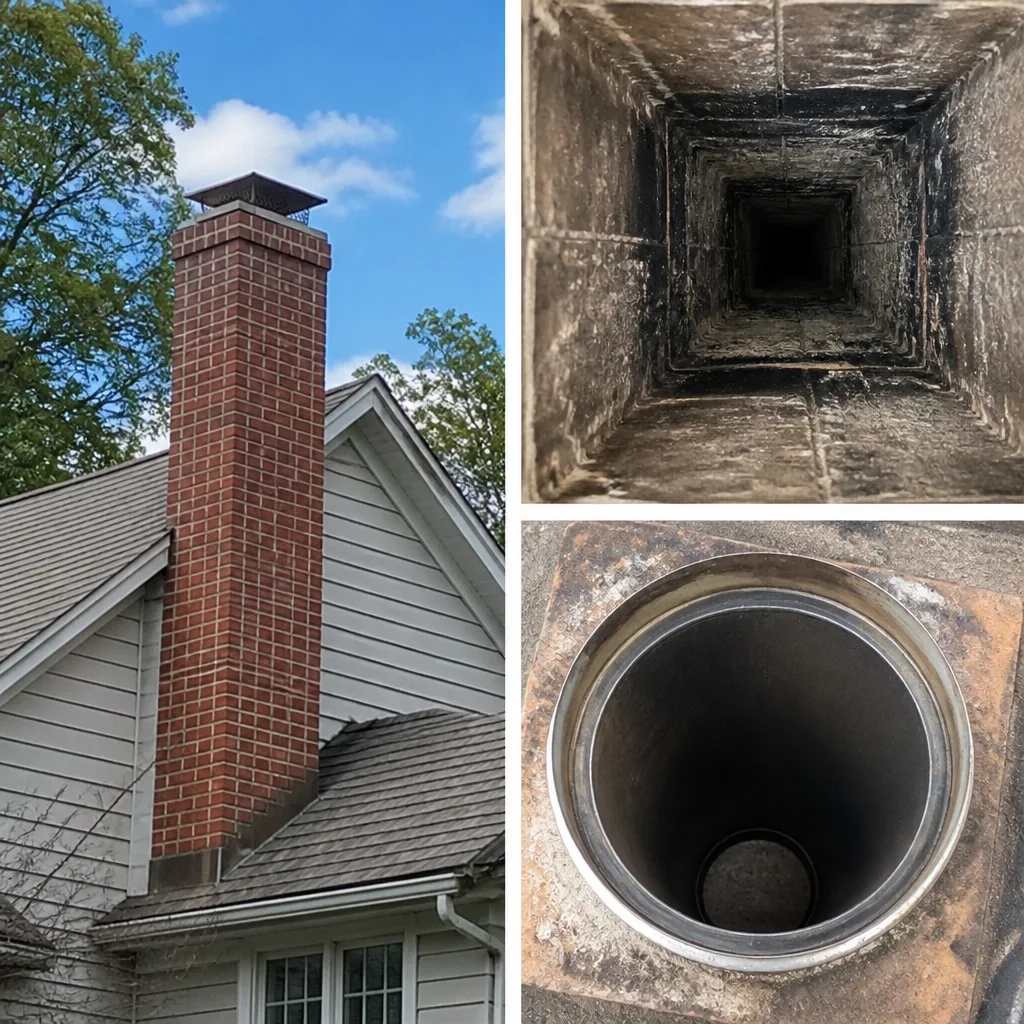 Sweep & inspection
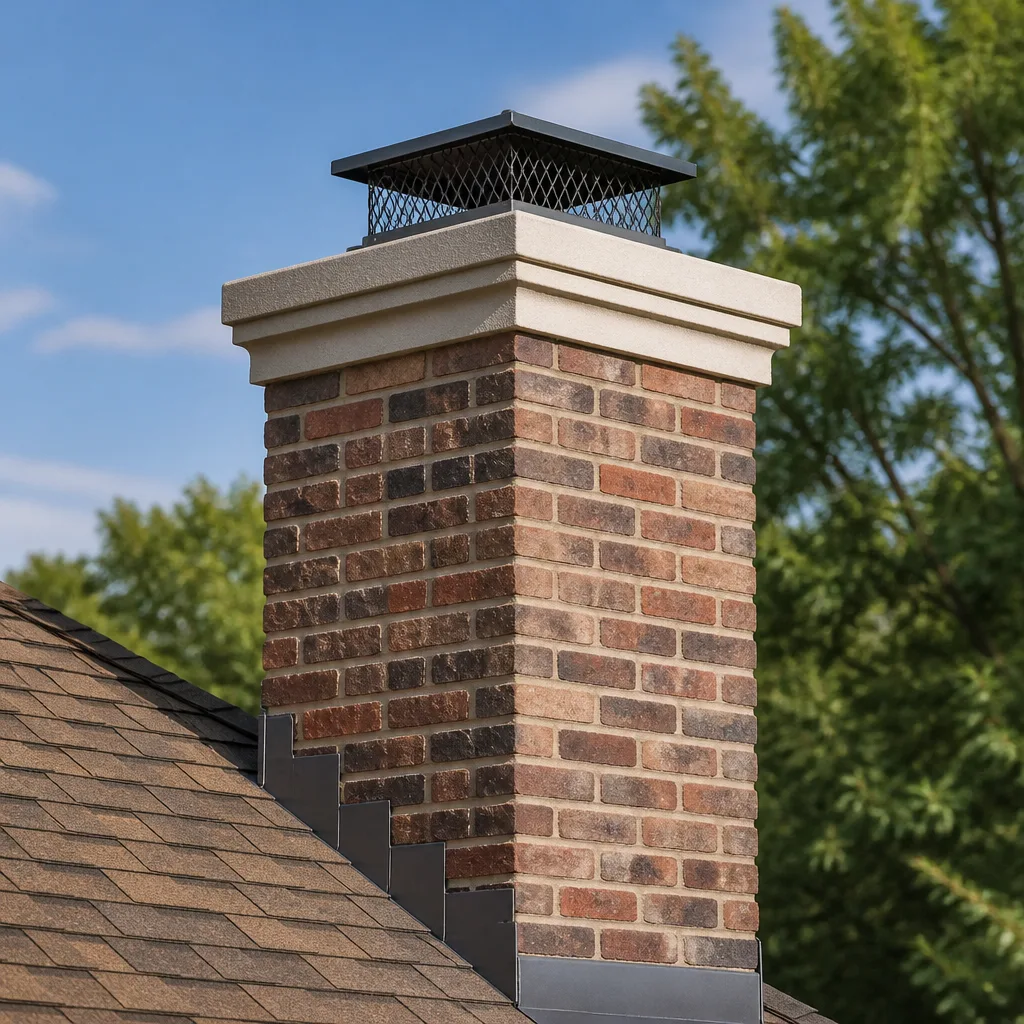 Caps & crowns
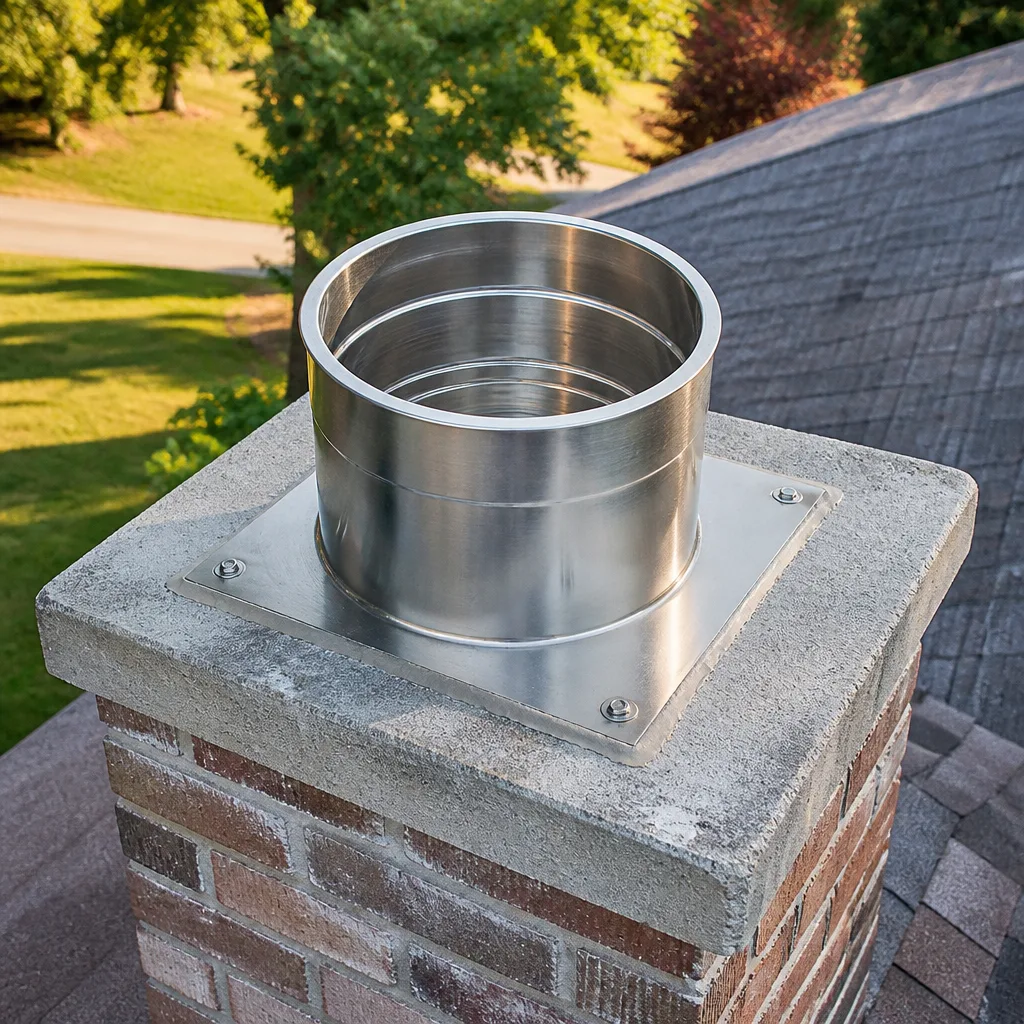 Flue relining
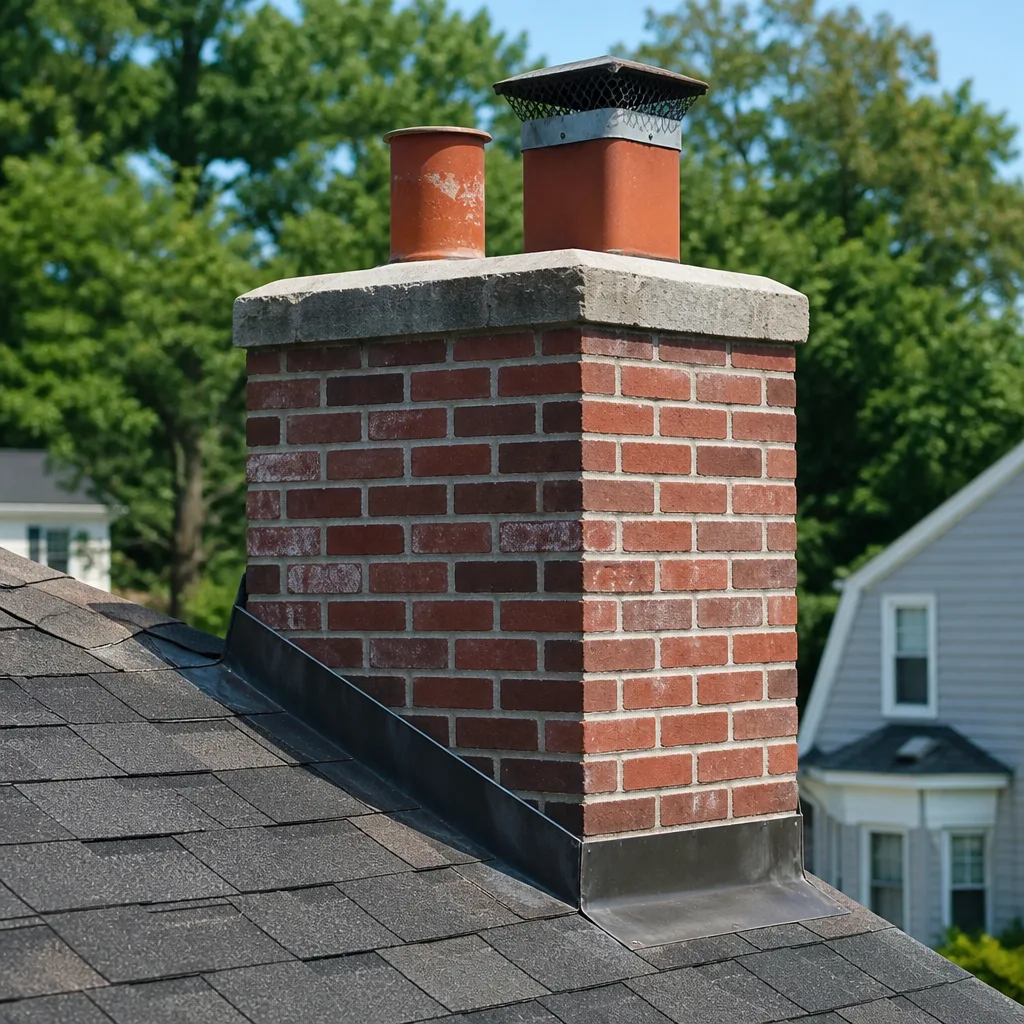 Masonry repair
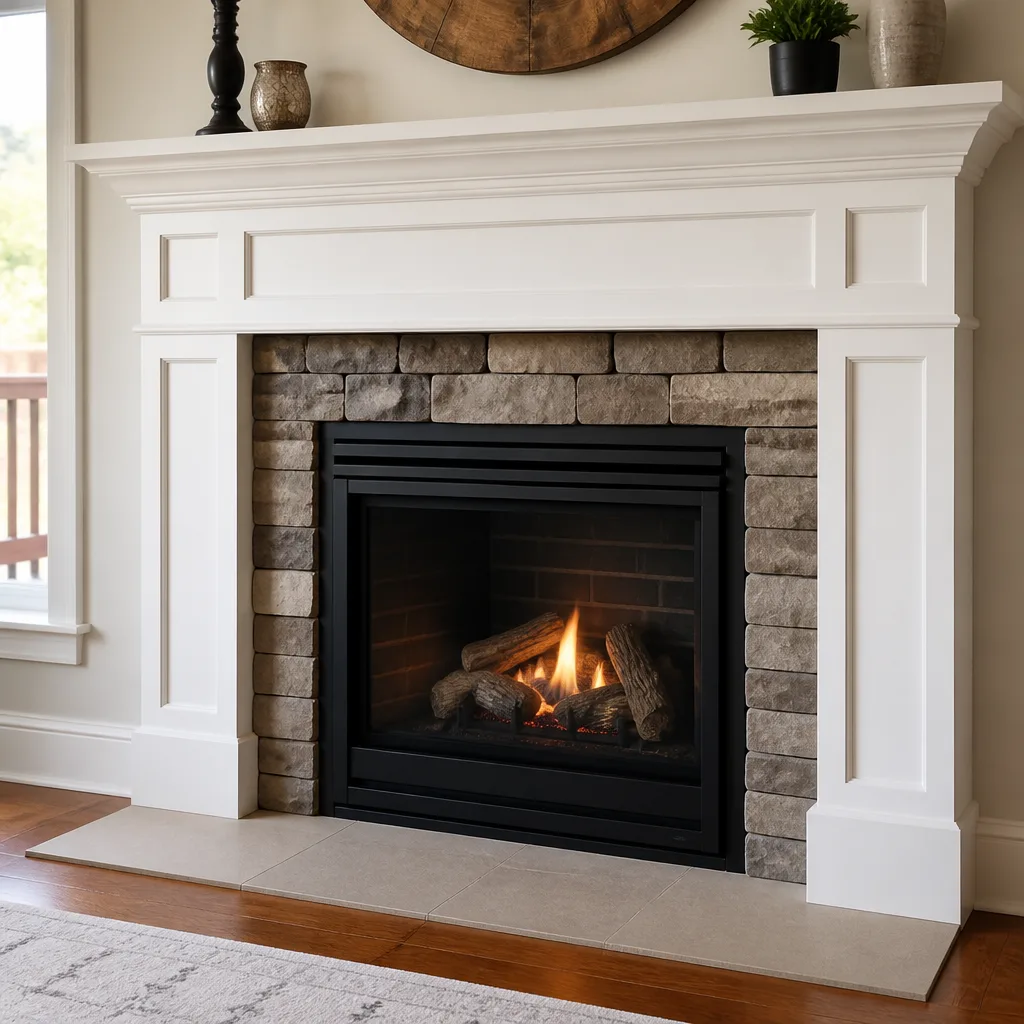 Gas fireplace service
Level 1 sweep and inspection to the NFPA 211 annual standard - flue, crown, cap, and flashing checked and photographed
Chimney sweep logs do not sweep chimneys. They loosen some creosote - which then falls where a brush and vacuum still have to collect it.
Seasonal Chimney Cleaning Care for Apple Valley: Year-Round Homeowner’s Guide
Everyone tells you to clean your chimney in the fall. In Apple Valley, if you wait until October to address crown damage or flashing gaps, you’ve already lost the low-humidity window that makes sealants cure correctly, and you’re heading into burn season with an unprotected system. This guide walks through what to do in each season, why the order matters more than the calendar date, and how to catch small problems before they become reline-sized expenses.
Quick Answer
Seasonal chimney care in Apple Valley works best when you schedule tasks by the desert climate, not the standard fall-only advice. Sweep before burn season starts, do masonry and crown repairs during the dry summer months, and inspect after major Santa Ana wind events. A year-round schedule keeps your flue safe, your crown sealed, and your repair costs down.
Styles & brands we work with
- Sweep & inspection
- Caps & crowns
- Flue relining
- Masonry repair
- Gas fireplace service
Table of Contents
- Spring: Post-Season Inspection Before the Damper Closes
- Summer: The Low-Humidity Repair Window
- Fall: Pre-Season Sweep and Cap Check
- Winter: Mid-Season Deposit Monitoring
- Santa Ana Winds: Unscheduled Inspections That Matter
- Dryer Vent Cleaning: The Forgotten Seasonal Task
- Common Mistakes to Avoid
- When to Call a Professional
Spring: Post-Season Inspection Before the Damper Closes
Once you stop using the fireplace for the season, the temptation is to close the damper and forget about it. In Apple Valley, that’s a missed opportunity. The weeks after your last fire are the best time to catch what winter burning left behind. Creosote deposits, cracked firebrick, or a damper that no longer seats fully are all easier and cheaper to address now than in October when every sweep in the High Desert is booked solid.
In our experience, a post-season chimney sweep finds issues that a fall-only inspection misses. Why? Because the flue is still warm enough in early spring to reveal hairline cracks that close up when the system cools and contracts. A quick camera check before the summer heat arrives gives you a baseline for the next burn season.
Here’s a simple spring checklist for Apple Valley homeowners:
- Have the flue swept after your last fire. Leftover creosote absorbs moisture during the summer and can become more corrosive, even in a dry climate.
- Run a camera inspection. Look for spalling brick, cracked mortar joints, and any signs of water intrusion from winter rains.
- Check the damper seal. If it doesn’t close tightly, you’re losing cooled air all summer and inviting pests into the flue.
- Inspect the rain cap and screen. Wind-driven debris from winter storms can clog screens and restrict draft.
- Clean out the ash pit. Old ash holds moisture and can speed up corrosion inside the firebox.
Spring is also when we recommend homeowners consider HeatShield resurfacing if the camera shows deteriorating flue liner joints. HeatShield is a cerfied ceramifying material we apply to restore the liner surface without a full reline. Doing this in spring means the material has months to cure before the fireplace is needed again.
Summer: The Low-Humidity Repair Window
Apple Valley summers are hot and dry. That’s uncomfortable for people, but ideal for masonry and sealant work. Products like crown sealants and water repellents need consistent low humidity to cure correctly. If you wait until October, overnight dew points rise and the curing window shrinks. That’s why the best time for crown sealing and tuckpointing in Apple Valley is June through August, not the fall.
Water is the enemy of masonry chimneys, even in the desert. The few rain events we get each year, combined with temperature swings, can work water into hairline cracks and cause spalling over time. A properly sealed chimney crown is what prevents that cycle from starting.
Here’s what summer servicing should include:
- Crown resurfacing. If the crown has hairline cracks or a rough, pitted surface, a new sealant layer fills the gaps and sheds water before it reaches the brick.
- Water repellent application. A breathable, siloxane-based repellent lets moisture escape from inside the masonry while blocking exterior water. We specify professional-grade products like Gelco and Olympia Chimney for this, because they’re formulated for flue temperatures and masonry movement, unlike hardware-store sealers.
- Tuckpointing. Repointing cracked mortar joints in the summer lets the mortar cure slowly and bond fully. Repointing done in the shoulder seasons often cures too fast on the surface and stays weak underneath.
- Flashing inspection. The gap where the chimney meets the roof is a primary water entry point. Summer is the time to reseal or replace flashing if the inspection shows gaps or rust.
The other reason summer matters: it’s the off-season. You can book a chimney sweep or repair and get a date that works for you, not the first available opening a week before Thanksgiving. You also get the time to make decisions. If a camera inspection shows liner damage, you can plan for a DuraFlex liner installation without rushing. DuraFlex is a flexible stainless liner we use for both wood-burning and gas applications because it’s sized to the specific flue dimensions, not cut to fit on the fly.
Fall: Pre-Season Sweep and Cap Check
Fall is when most Apple Valley homeowners think about their chimney for the first time since spring. By October, the nights have cooled enough to light the first fire, and that’s when problems show up. The goal of a fall visit is simple: make sure the system is clean and safe before the first burn.
A pre-season sweep removes creosote that built up last winter, clears any nesting material from birds or rodents, and checks for cracks that developed over the summer. The National Fire Protection Association recommends a sweep when creosote reaches 1/8 inch thick. In practical terms, if you burned more than two cords last season, you likely need a sweep before you start again.
Fall is also the time to inspect the rain cap and spark arrestor. Apple Valley gets strong winds in the fall and winter months, and a loose or damaged cap is the first thing to fail. A missing cap lets rain, leaves, and animals into the flue. A damaged spark arrestor can allow embers to escape, which is a fire hazard in a high-desert environment where dry brush surrounds many homes.
The damper seal deserves attention too. If the damper doesn’t fully close or open, your draft suffers. A poorly sealed damper lets cold air drop into the house on cold nights and warm air escape all day, which forces your heating system to work harder. Fall is when we replace worn damper gaskets and adjust the damper plate so it seats properly.
One thing we tell Apple Valley homeowners every year: if you only book one service per year, make it a fall sweep. It’s the single highest-impact visit for safety and performance. But if you want to avoid surprise repair quotes in October, do the inspection in the spring and the repairs in the summer.
Winter: Mid-Season Deposit Monitoring
If you burn more than three cords of wood in a season, which is common for Apple Valley homes that rely on wood as a primary or supplemental heat source, you should check creosote buildup mid-winter. Heavy use accelerates creosote deposition, especially if you burn soft woods like pine or fir, which many High Desert homeowners do because they’re readily available and affordable.
How do you know if you need a mid-season sweep? Look for these signs:
- Shiny, tar-like creosote on the flue walls. This is third-degree creosote, the most flammable kind, and it’s difficult to remove without professional equipment.
- A smoky smell in the house even when the fireplace isn’t in use. This often means creosote is building up and draft is restricted.
- Reduced draft. If the fire smolders instead of burning briskly, the flue may be narrowing.
- More than three cords burned. Even if the fire burns clean, the volume of wood passing through the flue means more particulate matter is deposited.
Winter is also the time to verify your carbon monoxide detectors are working. A blocked or restricted flue can send carbon monoxide into the house, and a detector is the only reliable way to catch that. Test the batteries at the start of burn season and again in January. If you have a gas fireplace or insert, this is doubly important, because gas appliances produce carbon monoxide even when they’re burning correctly.
We answer 24/7. Fast dispatch from 7am to 7pm, Sunday through Friday. If you notice a problem mid-winter, don’t wait until spring.
Santa Ana Winds: Unscheduled Inspections That Matter
Santa Ana wind events are a regular feature of life in Apple Valley. These dry, gusty winds can exceed 50 mph in exposed areas, and they carry dust, sand, and debris that batter chimney caps, screens, and exposed masonry. A wind event that lasts a day or two is often enough to loosen a cap, tear a screen, or wedge a branch into the flue opening.
After a major wind episode, do a visual check from the ground. Look for:
- A tilted or missing rain cap. A cap that’s shifted even a few inches can create a gap that lets rain and embers through.
- Torn or missing spark arrestor screen. This is a fire hazard, especially when dry vegetation is close to the house.
- Debris on the roof around the chimney. Wind often deposits branches, leaves, and tumbleweeds that can clog the cap or screen.
- Loose flashing. High winds can lift flashing if the sealant is already degraded.
If you spot any of these issues, or if you hear a rattling sound from the chimney during windy nights, schedule an inspection before the next burn. A loose cap that goes unnoticed all winter can lead to water damage, animal intrusion, and draft problems. We carry Famco and Copperfield parts for caps, dampers, and accessories, so we can usually replace a damaged cap on the same visit rather than ordering one and coming back.
Dryer Vent Cleaning: The Forgotten Seasonal Task
Most Apple Valley homeowners think of chimney care and dryer vent care as separate tasks. They’re not. Both systems move hot air and particulate matter out of the house through enclosed ducts, and both accumulate flammable material over time. Lint from a clothes dryer is just as combustible as creosote from a wood fire.
We recommend dryer vent cleaning at least once a year, and more often if you run multiple loads per day or have a long vent run. Here’s why it matters in Apple Valley specifically: our dry, dusty environment means more lint and dust particles are pulled into the dryer’s airflow and deposited in the vent. Vents that would take three or four years to clog in a humid climate often clog in half that time here.
Signs your dryer vent needs attention:
- Clothes take longer than one cycle to dry. This is the most common sign of a restricted vent.
- The dryer feels unusually hot to the touch. A clogged vent traps heat inside the dryer cabinet.
- A musty or burning smell during operation. Lingering lint inside the vent can start to smolder.
- Visible lint debris around the exterior vent hood. This means lint is backing up.
One call covers your chimney and your dryer vent. If you’re already having us out for a sweep in the fall, add dryer vent cleaning to the same visit. It’s a simple way to address two fire-safety tasks without scheduling two separate appointments.
Common Mistakes to Avoid
- Waiting until October for everything. The fall rush means you may not get a sweep date before the first cold night. And masonry repairs done in October cure too fast on the surface and too slowly underneath, which leads to early sealant failure.
- Skipping the summer crown inspection. In Apple Valley, a cracked crown that goes unsealed through a summer monsoon event can let water into the brick and cause spalling before fall. The dry season is the repair season.
- Burning pine and fir without checking buildup. Soft woods are abundant in the High Desert and burn fine, but they deposit creosote faster. If you burn them regularly, check deposits at least twice per season.
- Ignoring the dryer vent because “it’s just lint.” Lint is one of the most combustible materials in a home. A restricted dryer vent is a leading cause of house fires in the US, and we see heavily clogged vents in Apple Valley because of the dusty air.
- Assuming a gas fireplace needs no maintenance. Gas logs and inserts still produce soot, and gas appliances can produce carbon monoxide if the venting is restricted. A quick inspection every other year is worth it.
- Using hardware-store sealant on the crown. Big-box sealers aren’t formulated for flue temperatures or masonry movement. We specify Gelco and Olympia Chimney products because they’re engineered for this specific application, and the cost difference is minimal compared to a failed repair.
- Closing the damper without cleaning the flue. Sealing moisture and creosote inside the flue for six months accelerates corrosion. A clean, dry flue is what you want during the summer off-season.
When to Call a Professional
Some chimney tasks are safe DIY projects. Others aren’t. If you’re comfortable on a ladder and doing a visual check from the ground, a post-storm cap inspection is fine. But the moment you’re looking at a possible crack in the flue liner, a loose cap on a steep roof, or a creosote deposit that looks shiny or tar-like, call someone who does this work every day.
High-tension components, electrical wiring, gas lines, and steep-roof work all carry real risk. A chimney liner installation or a HeatShield application requires specialized tools and training. Chimney Sweep Apple Valley offers free estimates in Apple Valley. Call (833) 901-6532. We answer 24/7. Fast dispatch from 7am to 7pm, Sunday through Friday.
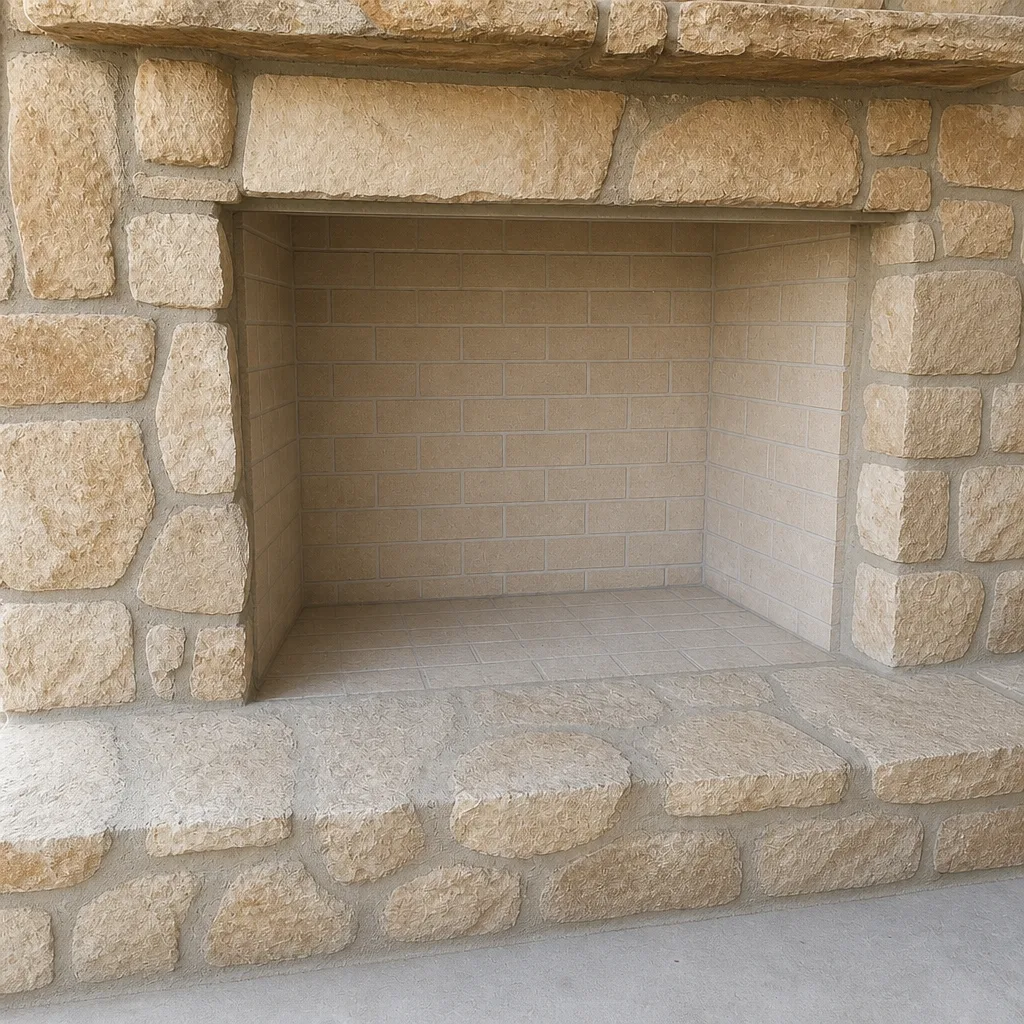
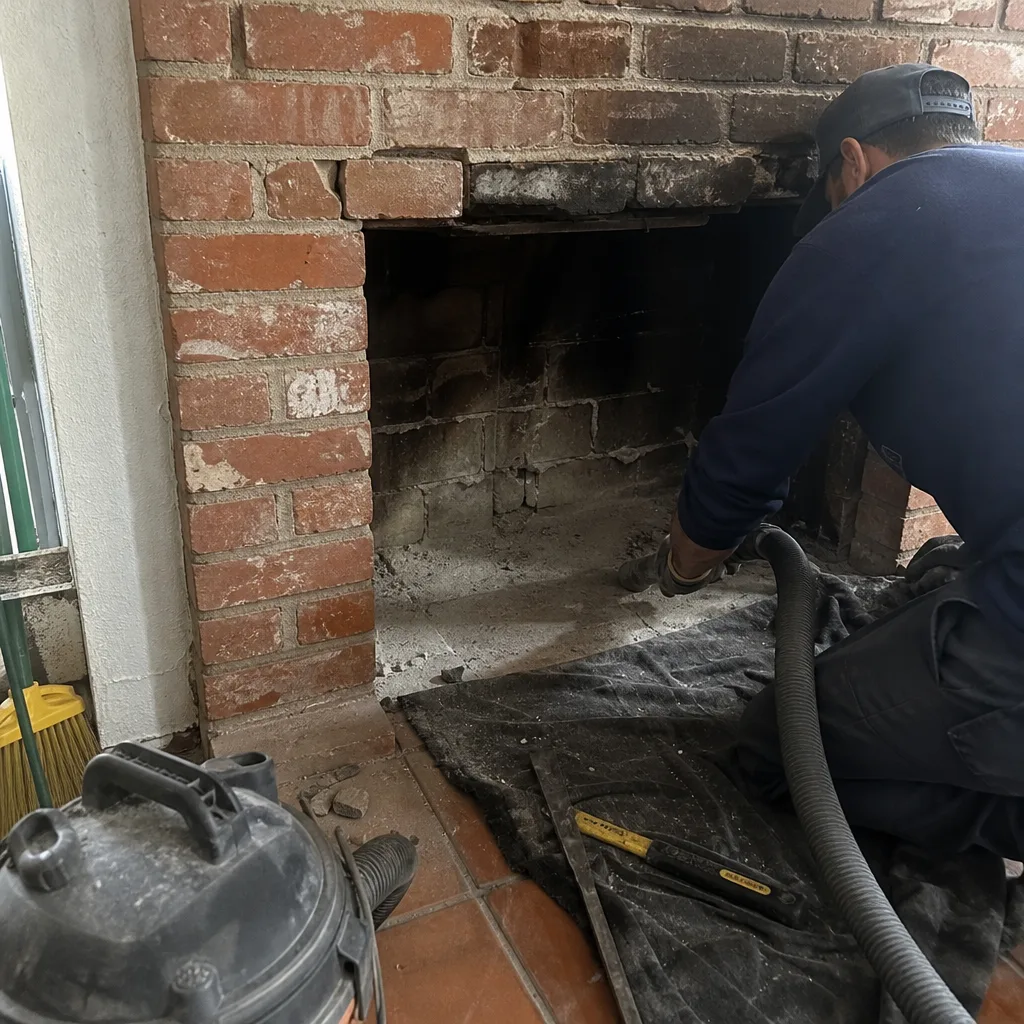
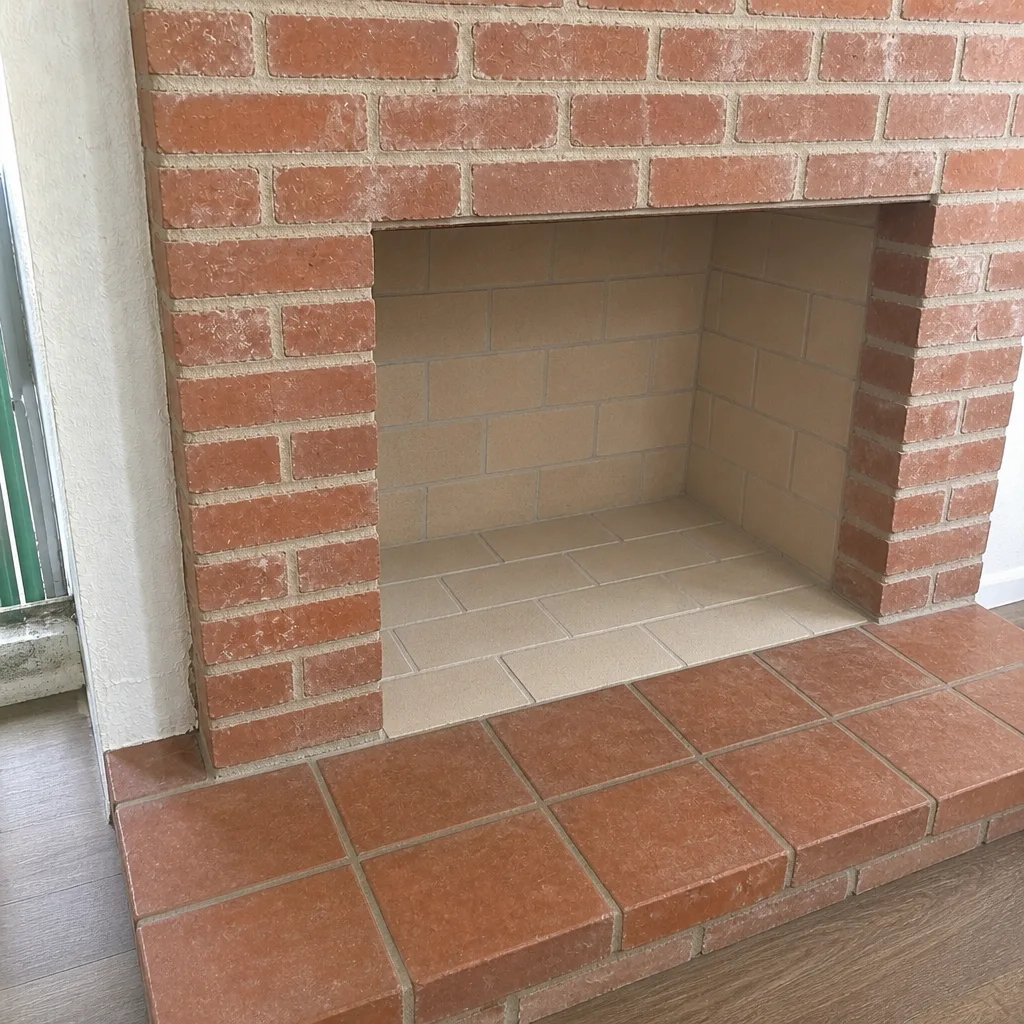
See the difference
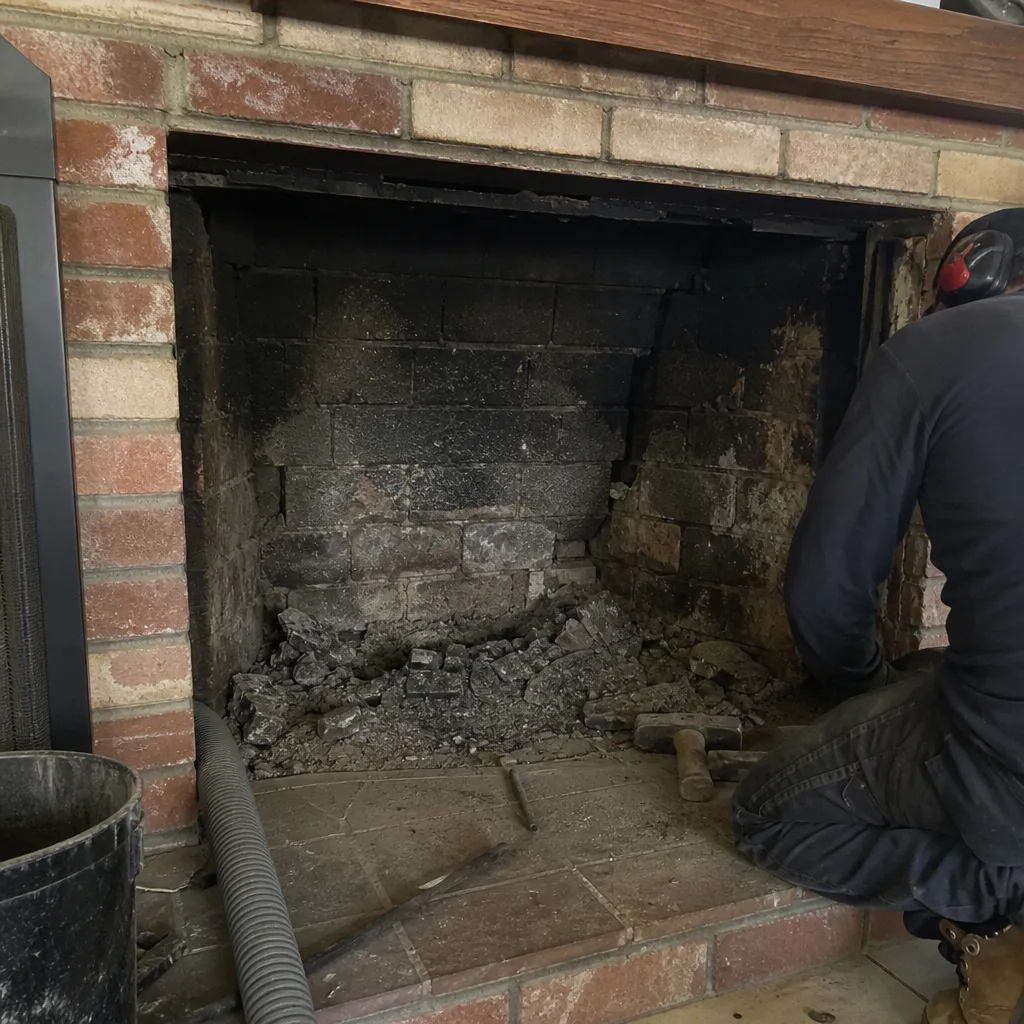 Before
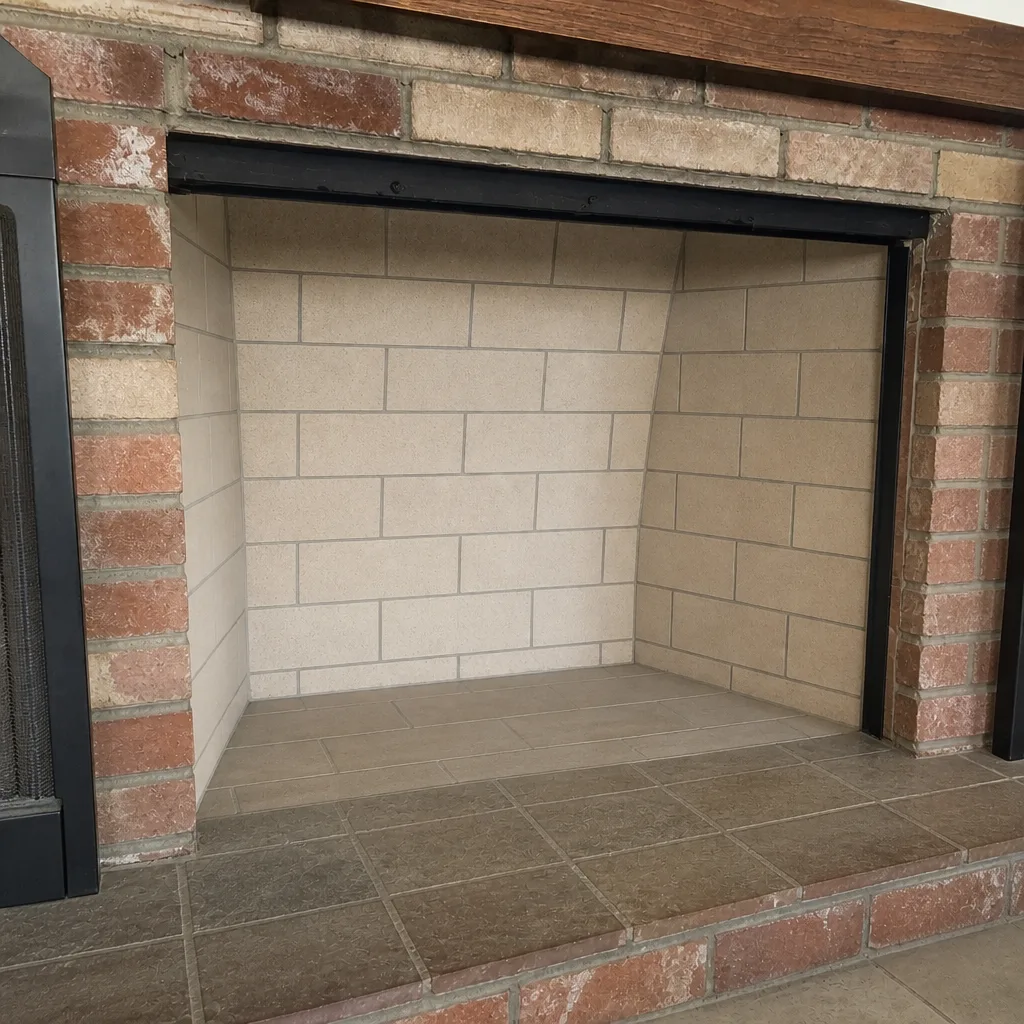 After
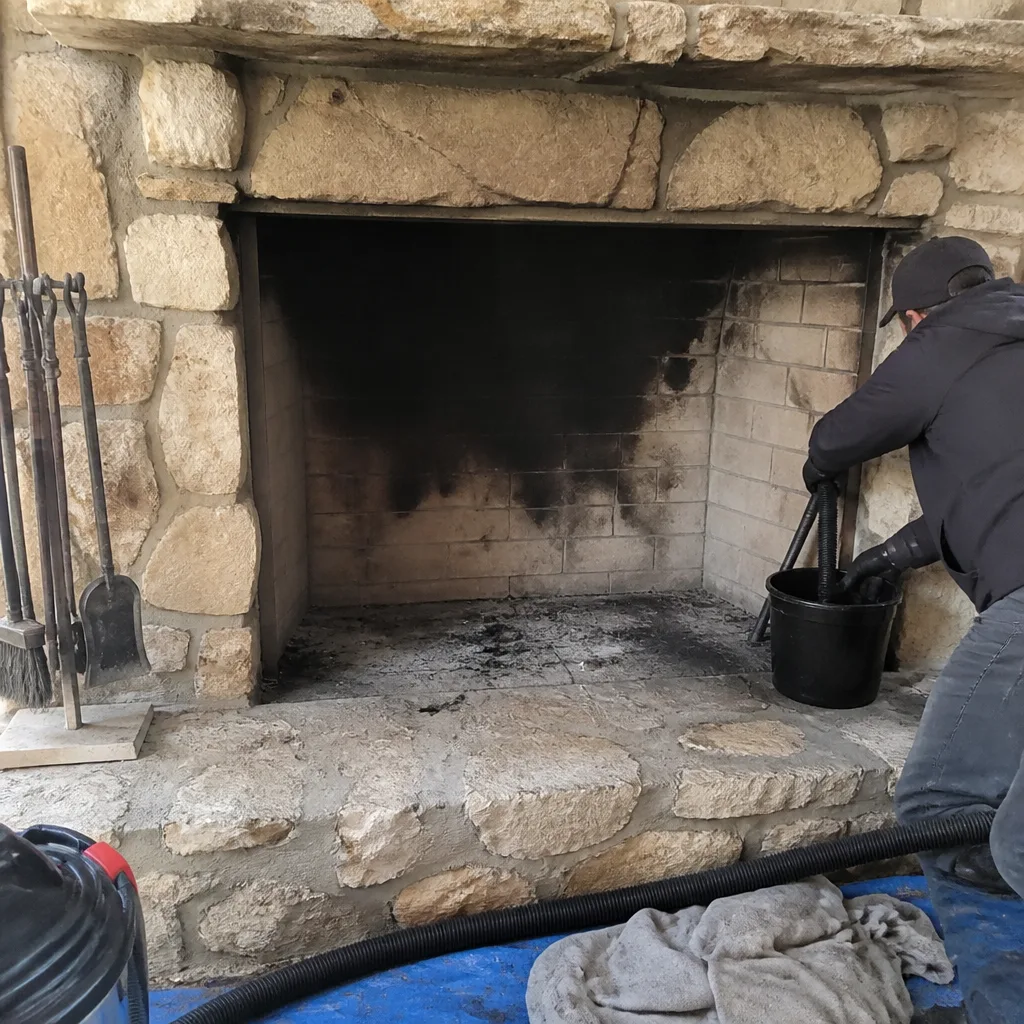 Before
 After
 Before
 After
Frequently Asked Questions
Most Apple Valley homes that burn wood regularly need a chimney sweep once per year, ideally in the late summer or early fall before burn season starts. If you burn more than three cords per season or burn soft woods like pine and fir, plan on a mid-winter check as well. Call (833) 901-6532 for an exact recommendation based on your usage. Estimates are free.
Yes. Apple Valley’s summer humidity levels are consistently low, which is exactly what sealants and water repellents need to cure correctly. Crown repairs done in October or November often cure unevenly because overnight dew points rise and the material doesn’t achieve full bond strength before the first fire. Call (833) 901-6532 to schedule a crown inspection before the summer heat peaks.
Skipping a year gives creosote time to build up beyond safe levels. In a mild case, you get a restricted draft and a smoky fire. In a more serious case, built-up creosote can ignite and cause a chimney fire that damages the liner and can spread to the house structure. The safest approach is to sweep before creosote reaches 1/8 inch thick. Call (833) 901-6532 and we can tell you if a sweep is due.
They can. Santa Ana wind events in Apple Valley carry dust, sand, and debris that abrade chimney caps, screens, and exposed masonry. We’ve seen caps loosened, screens torn, and flashing lifted after a single strong wind episode. Do a visual check from the ground after any wind event over 40 mph, and call (833) 901-6532 if anything looks out of place.
Yes. Dryer vents accumulate lint even when they’re functioning normally, and the rate of buildup in Apple Valley is higher than average because of the dry, dusty air. A vent that seems fine can still be carrying a dangerous amount of combustible lint. Call (833) 901-6532 to add dryer vent cleaning to your next chimney sweep visit.
You can check visible signs like smoke backup, unusual smells, or a damper that doesn’t seat, but a real inspection requires a camera scope and a professional eye. We use a flue camera to check for liner cracks, creosote thickness, and moisture intrusion, which are things you can’t see from the ground or the firebox. Call (833) 901-6532 to book a camera inspection.
The Bottom Line
Apple Valley’s desert climate creates a different maintenance calendar than what generic chimney advice suggests. Sweep in the spring after your last fire, do crown and masonry repairs in the summer when sealants cure properly, prep the system in the fall before burn season, and monitor deposits through the winter if you burn heavily. Add dryer vent cleaning to the same visit and keep an eye on the cap after Santa Ana wind events. A year-round approach based on local conditions is what keeps your chimney safe and your repair costs predictable.
Written by the team at Chimney Sweep Apple Valley, serving Apple Valley since 2018.