
Last updated November 4, 2026
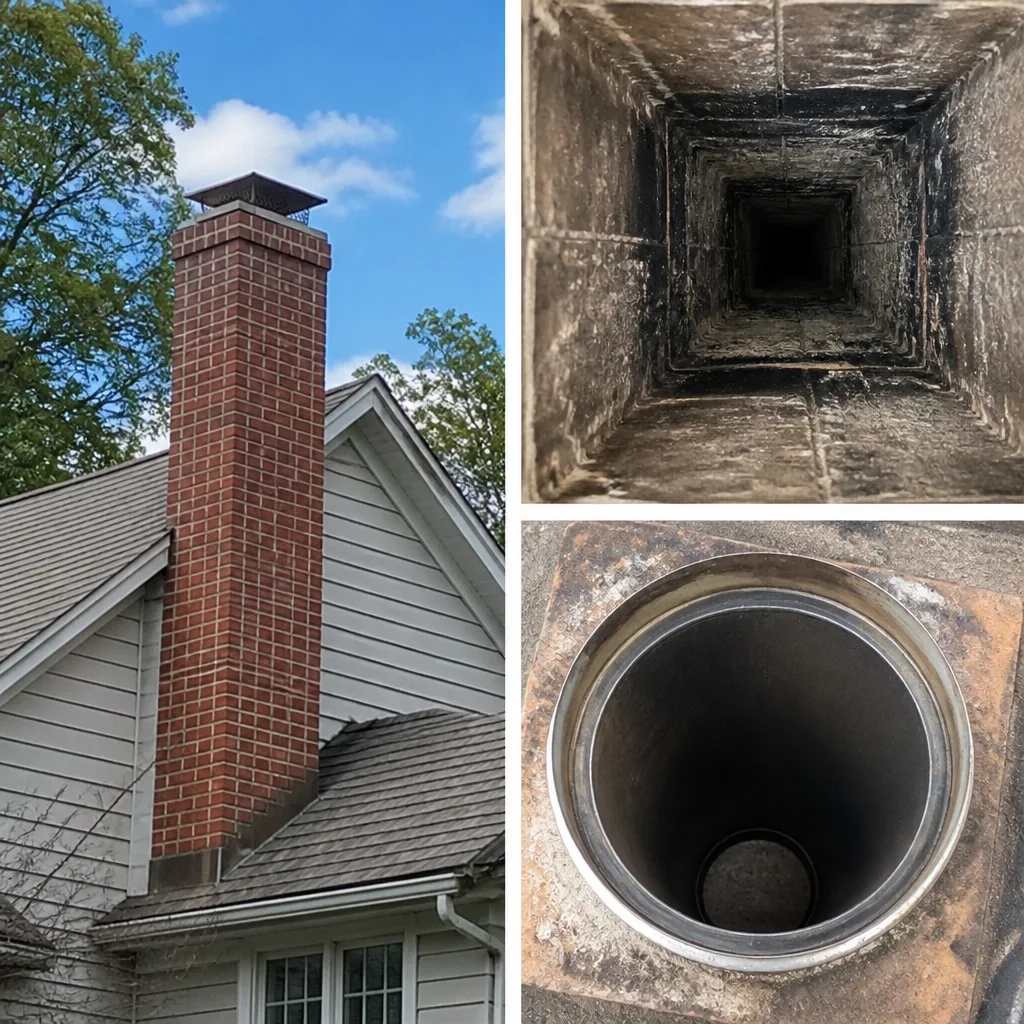 Sweep & inspection
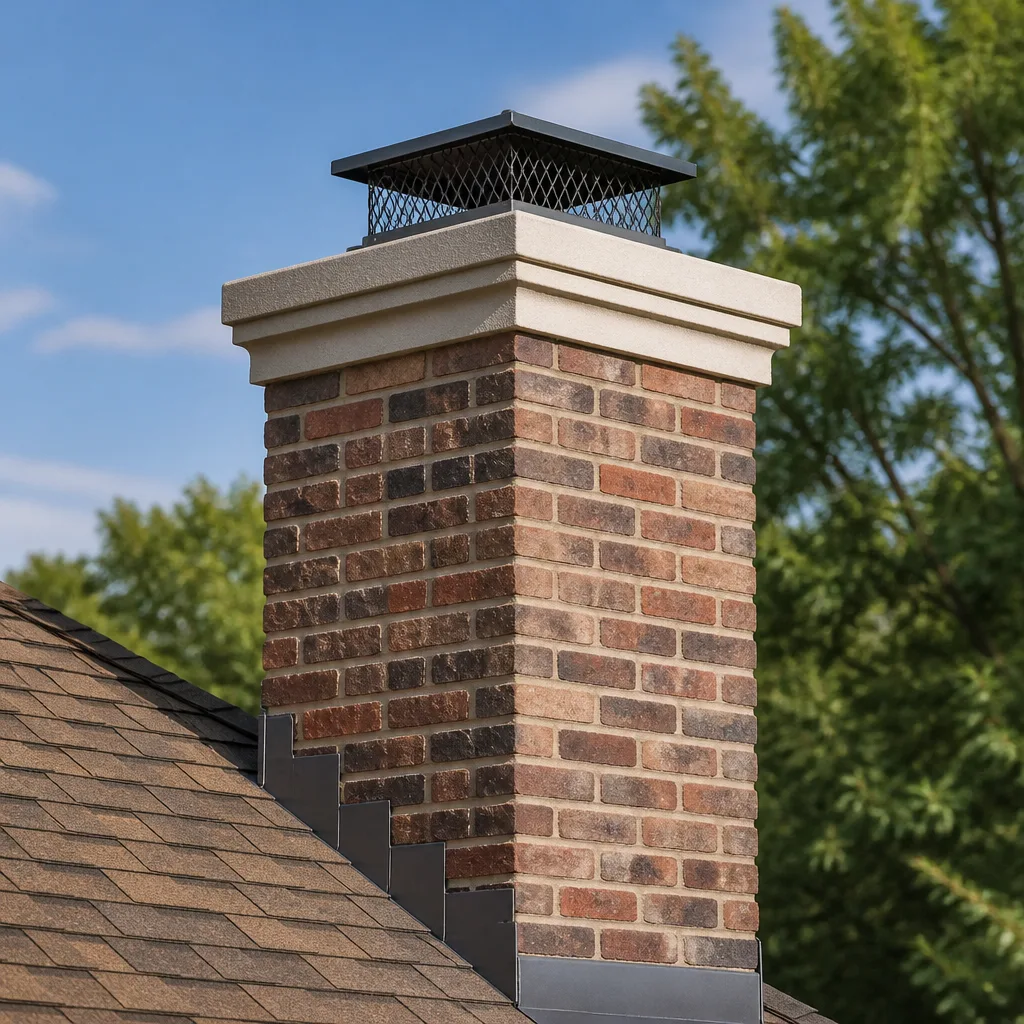 Caps & crowns
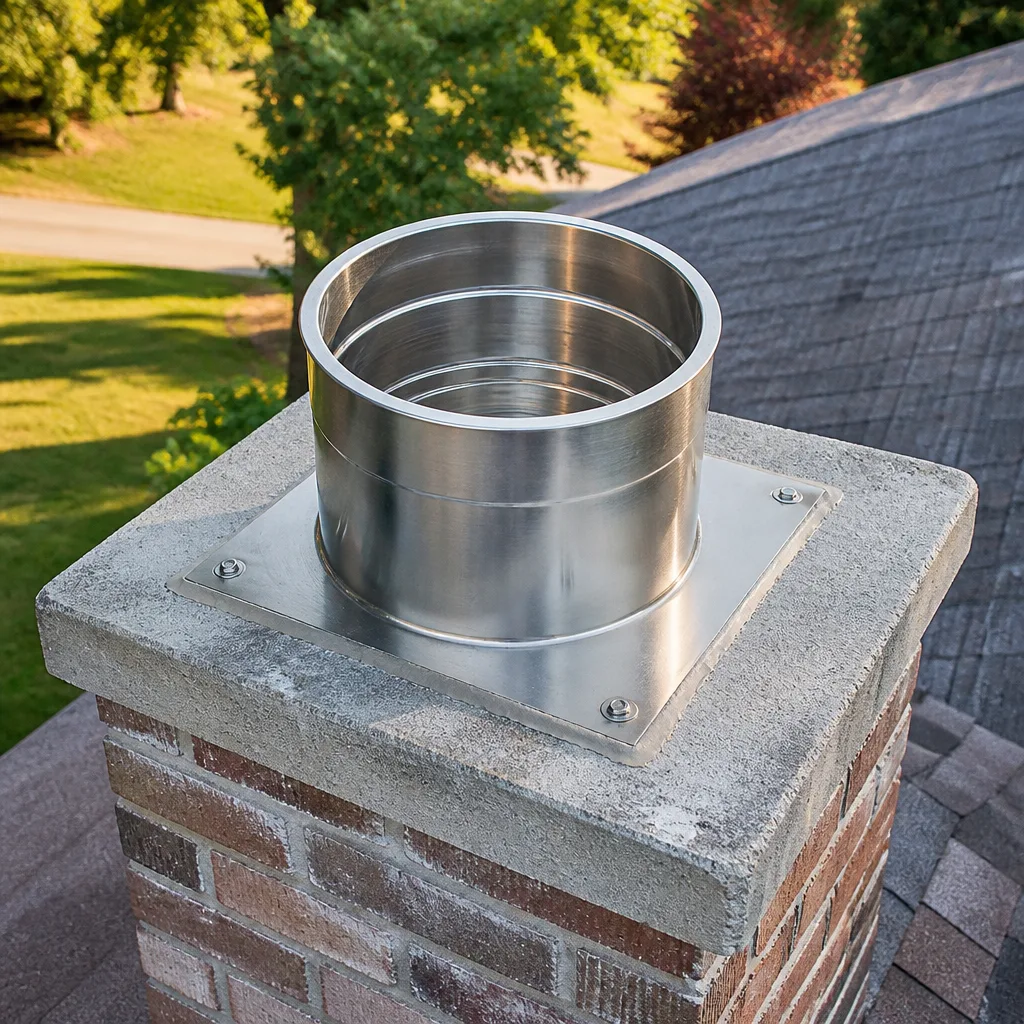 Flue relining
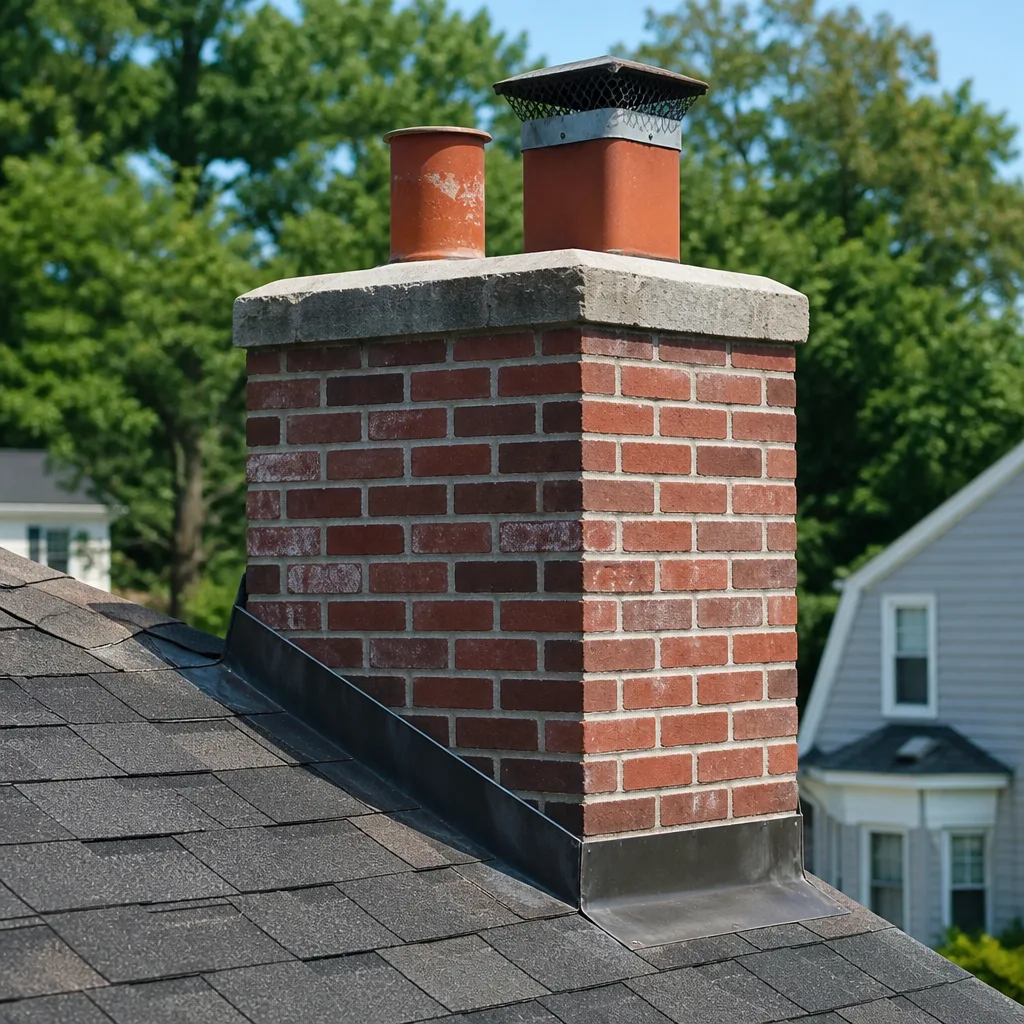 Masonry repair
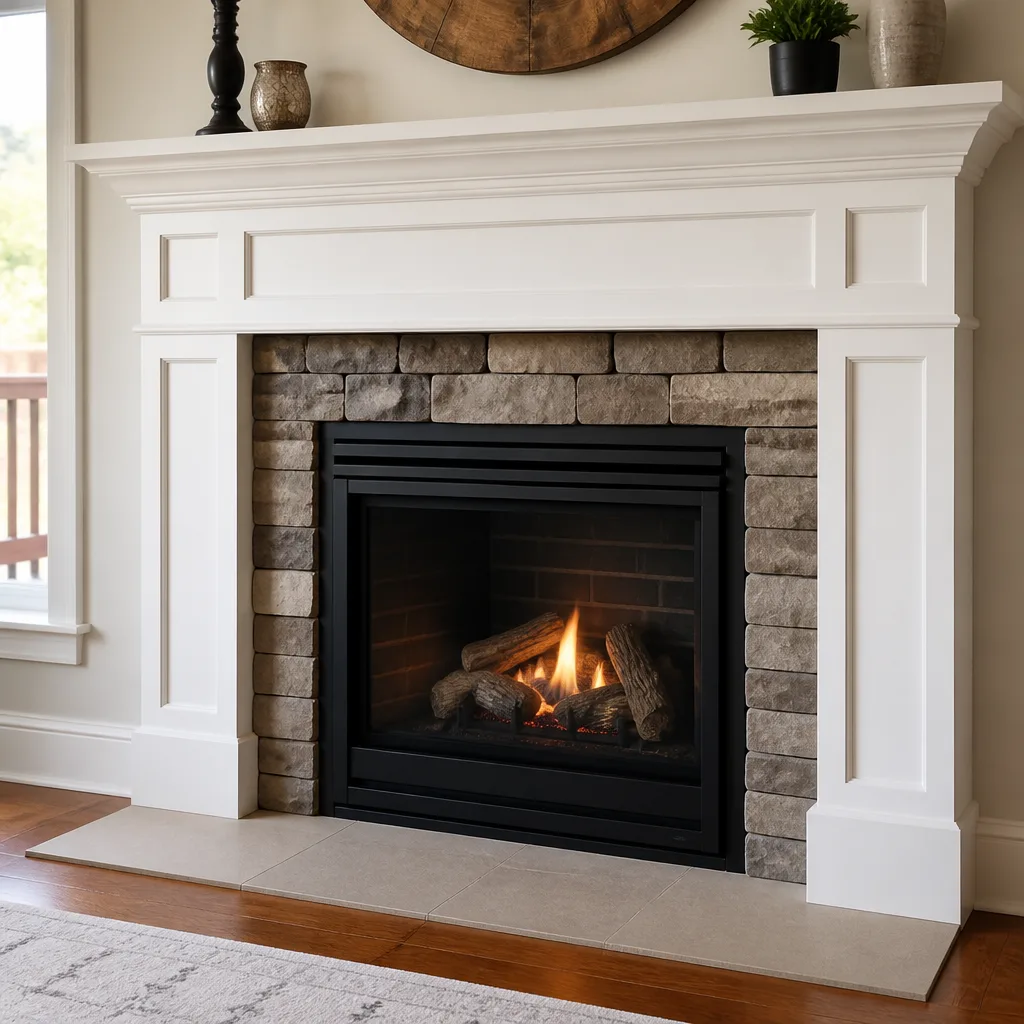 Gas fireplace service
Level 1 sweep and inspection to the NFPA 211 annual standard - flue, crown, cap, and flashing checked and photographed
Chimney sweep logs do not sweep chimneys. They loosen some creosote - which then falls where a brush and vacuum still have to collect it.
Chimney Sweep Maintenance Checklist for Apple Valley Homeowners
Most chimney checklists read like they were written for a house in Ohio. They tell you to worry about freeze-thaw cycles and ice dams, things that hardly matter in Apple Valley. What they miss is the actual stress our high desert climate puts on a chimney: relentless UV exposure on the crown, mortar that dries and crumbles, and wind that carries fine dust into every opening. A useful Apple Valley checklist has to start there.
Quick Answer
A proper chimney maintenance checklist for Apple Valley homeowners covers six components: the cap, crown, flashing, exterior masonry, damper, and firebox. In the high desert, the crown and mortar joints fail faster than anything else because of intense UV exposure and dry heat. Schedule a professional sweep and inspection annually before burning season, and check your dryer vent at the same time.
Styles & brands we work with
- Sweep & inspection
- Caps & crowns
- Flue relining
- Masonry repair
- Gas fireplace service
Table of Contents
- The Crown: Your Most UV-Stressed Component
- The Cap: Debris and Dust Intrusion
- Exterior Masonry and Mortar Joints
- Flashing: The Roof-to-Chimney Seal
- Flue Liner: Visual Checks and When a Camera Is Needed
- Smoke Chamber and Firebox
- Dryer Vent: The Parallel Checklist Item
- Record-Keeping for Insurance and Resale
The Crown: Your Most UV-Stressed Component
The chimney crown is a concrete or mortar slab that sits on top of the chimney and sheds water away from the flue. In Apple Valley, the crown takes more direct sunlight than almost any other part of the house. Day after day of UV exposure breaks down the cementitious surface. Hairline cracks appear, then widen. Once water gets through, it seeps into the brick below and accelerates freeze-free but still destructive erosion.
Your checklist item here is simple but demands a closer look than most people give it. Get a ladder or use binoculars. Look for:
- Hairline cracks running across the crown surface
- Chipped or spalling edges where the crown overhangs the brick
- White efflorescence staining down the face of the brick below the crown
- Areas where the crown has separated from the flue tile
If you catch a crown in the hairline cracked stage, a topical sealant treatment like CrownCoat can seal it and extend the life of the crown significantly. CrownCoat is a flexible, waterproof coating designed specifically for chimney crowns. It bridges minor cracking and moves with the crown through temperature swings. We specify it when the crown is still structurally sound but showing surface stress. If the crown has deep cracks, loose pieces, or has pulled away from the flue, sealant alone will not fix it. That crown needs to be rebuilt. The distinction matters: a crown that is merely weathered can often be sealed, while a crown that is structurally compromised needs replacement. Knowing which situation you have is where a professional eye helps.
The Cap: Debris and Dust Intrusion
The cap sits over the flue opening and keeps rain, birds, and debris out. In Apple Valley, the cap also deals with something people in other climates never think about: fine airborne dust. Our winds pick up desert dust and push it into every crevice of a house. A missing or damaged cap lets that dust drop straight down the flue and settle in the smoke chamber, where it mixes with creosote and creates a dense, difficult-to-remove layer.
Your checklist step for the cap:
- Confirm the cap is present and seated squarely. A crooked cap means the mounting screws have loosened.
- Look for rust on steel caps or corrosion on the mesh screening.
- Check the mesh sides for damage. Torn mesh lets birds and rodents in.
- If you have a multi-flue chimney, verify each flue has its own cap or that a single cap properly covers all openings.
In our experience, caps in Apple Valley take a beating from wind-driven sand more than rain. The screening gets abraded and eventually fails. When we replace a cap, we use Famco or Copperfield caps because they hold up better than the stamped sheet metal caps sold at big-box stores. A cap is a small part with an outsized job: without it a chimney becomes a flue to the sky.
Exterior Masonry and Mortar Joints
Mortar in the high desert dries out. The low humidity draws moisture from mortar joints, leaving them brittle. Over years, the surface of the mortar erodes and the joints recede. This is called joint recession, and it is the most common masonry problem we see on Apple Valley chimneys.
What to look for from the ground:
- Mortar joints that appear recessed rather than flush with the brick face
- Crumbling or sandy mortar at the joint surface
- Bricks with hairline fractures running through them
- Any brick that seems to sit proud of the surrounding face, which can indicate moisture expansion behind it
If you can scrape mortar out of a joint with a screwdriver, the damage is at the point where you need repointing. Repointing means raking out the loose mortar and packing fresh mortar in. It is not a perpetual maintenance task. Done well with the right mortar mix, it can last for decades. But ignore joint recession too long, and you get to a much more expensive situation: bricks that have loosened to the point of needing partial rebuild.
One Apple Valley-specific note: homes here can sit through long dry spells followed by occasional heavy rain. A chimney with deteriorated mortar absorbs water during these rains, and then the dry spell bakes it back out. That cycle accelerates cracking. The time to address mortar is before a rain season shows you where every leak path is.
Flashing: The Roof-to-Chimney Seal
Flashing is the sheet metal that wraps the base of the chimney where it passes through the roof. It is made of two parts: step flashing woven under the shingles, and counterflashing embedded in the chimney masonry. It keeps water out of the roof deck and the attic.
From the ground, you can often see the counterflashing. Look for:
- Counterflashing that has lifted away from the chimney face
- Caulk or sealant bead that has cracked or pulled away
- Rust staining running down from the flashing area onto the roof
- Visible gaps between the flashing and the brick
Water that gets through flashing does damage in places you cannot see: roof sheathing, attic insulation, and the framing around the chase. The outside of the house might look fine for years while a leak rots the decking. If you suspect flashing issues from inside the attic or from water stains on ceilings near the chimney, get it looked at before the next rain. Flashing replacement is not a DIY-friendly job. It requires working on the roof, cutting step flashing, and properly embedding counterflashing into mortar joints. A chimney sweep who handles repairs is equipped to do this correctly and safely.
Flue Liner: Visual Checks and When a Camera Is Needed
You can see the lower portion of your flue liner from inside the firebox without a camera. Open the damper and shine a bright flashlight up. What you are looking for in clay tile liners:
- Vertical cracks running up the tile
- Displaced tile segments that sit out of alignment
- White staining or spalling on the tile surface, which means water has been getting in
- Creosote buildup thick enough to obscure the tile surface entirely
For the upper flue above the smoke chamber, you cannot see enough without a camera. This is where a Level 2 inspection matters. A Level 2 inspection involves running a camera through the full length of the flue. The Chimney Safety Institute of America recommends a Level 2 inspection at several trigger points: after a chimney fire, when you buy a home, when you change fuel types or appliance efficiency, or after any event that could have damaged the liner, like an earthquake or a house fire. The simple visual check is a screening tool. The camera sees the portion of the liner where problems hide.
If a camera reveals a cracked or deteriorating clay liner, full relining used to be the standard answer. Now there is a middle option. HeatShield is a ceramic coating system applied inside existing clay flues to repair cracked or deteriorated sections. It seals the liner and restores its function without the cost and masonry demolition of a full reline. We apply HeatShield in Apple Valley for flues with localized liner damage when a full reline is not yet necessary. The alternative, a flexible stainless liner like DuraFlex, is the answer when the clay liner has failed too extensively or the appliance venting requirements demand it. DuraFlex is a continuous stainless steel liner we size and install to code for the appliances attached to it. Both are legitimate solutions for different failure states. The key is knowing which one applies to your situation, which comes from the inspection, not from a guess.
Smoke Chamber and Firebox
The smoke chamber is the sloped area above the firebox that funnels smoke up into the flue. It is corbeled brick, and in older chimneys the mortar in this area is often rough and pitted. This is where creosote and dust accumulate in Apple Valley chimneys, partly because of all the fine desert dust that gets drawn in by the draft.
Checklist for the smoke chamber and firebox from inside the fireplace:
- With the damper open and a bright light aimed up, examine the corbeled walls. Note anything more than a thin, ashy coating.
- Shine the light across the firebox walls. Look for cracked firebrick, missing mortar, and any metal parts that have warped.
- Check the damper itself: does it open and close fully, and does it seat tightly when closed?
One thing specific to Apple Valley: because dust is pervasive, we see smoke chambers with a gritty mix of creosote and fine sand. That combination is abrasive. It clings to the rough corbeling and resists basic brushing. A standard sweep removes it, but if you skip years between cleanings, the layer can require more aggressive mechanical cleaning and increases the risk of a flue fire.
If you notice a white crystalline substance on the firebox brick, that is usually efflorescence, not a structural problem. It means moisture is present somewhere in the chimney system. The source may be the crown, the flashing, or the masonry wicking water from the ground. Treat the symptom by identifying and fixing the moisture source, not by sealing the brick face with paint or waterproofing that traps water inside.
Dryer Vent: The Parallel Checklist Item
Apple Valley dust makes dryer vents clog faster than most manufacturers expect. Every load of laundry pulls in air from around the dryer, and if that air carries desert dust, the lint screen only catches part of it. What gets through accumulates in the vent pipe, mixed with lint and coating the interior surfaces.
Run this checklist twice a year, tuned to your laundry volume:
- Check the exterior termination where the duct exits the house. In Apple Valley, dust and lint build a crust at the louvers. The flapper should open freely under the force of the dryer’s exhaust. If it does not, airflow is already restricted.
- Time your dryer cycle. If a load that used to dry in 40 minutes now takes 70, the vent is telling you it is clogged.
- Feel the outside of the dryer while it runs. A hot cabinet means heat is not leaving the machine. That heat will eventually trip the high-limit thermostat and can ignite accumulated lint.
- Note lint inside the dryer drum. Excess lint inside the machine means primary capture is failing and more is traveling downstream.
- Date of every sweep and inspection
- Who performed it and what the technician reported
- Products used, including specific brand or product names where relevant (for example, CrownCoat applied to crown, HeatShield repair to flue)
- Photos or video from camera inspections when provided
- Any repairs, with a note on what was replaced and why
Clogged dryer vents cause house fires. The risk is not hypothetical and the cause is not rare. A professional dryer vent cleaning clears the full run from the dryer to the exterior termination with rotary brushes and extracts the dust and lint. If your vent runs through an attic or a crawl space, we typically recommend this be done by a pro rather than with a homeowner-grade brush kit, because getting to the run safely and sealing the duct afterward matters.
Record-Keeping for Insurance and Resale
Documentation is the least physical part of a maintenance checklist, but it is the part that pays out years later. Insurance companies want proof of maintenance. Home buyers want the same. Without records, a chimney that has been consistently maintained is indistinguishable from one that has been ignored.
Keep a simple log. A notebook or a spreadsheet works, as long as you use one consistently. Record:
For dryer vents, log the cleaning dates and any remarks about duct condition or restriction. If you ever sell a home in Apple Valley, having a maintenance log ready for the chimney and dryer vent gives a buyer confidence and reduces negotiation friction. If you ever make an insurance claim, those records distinguish a maintained system from a neglected one. This is a written, installable discipline that costs nothing and returns value on a timeline you cannot predict.
Common Mistakes to Avoid
- Sealing a cracked crown with silicone caulk. Caulk fails in one season under Apple Valley UV. Crowns need a flexible, waterproof coating like CrownCoat or a full rebuild, not a bead of caulk.
- Waiting until you see water stains to address flashing. By the time a flashing leak shows on a ceiling, the roof deck has been wet for months. A small flashing repair on schedule is cheaper than sheathing replacement.
- Assuming a gas fireplace flue never needs cleaning. Gas appliances produce corrosive byproducts and can accumulate debris and obstructions. They still need periodic inspection, and the dampers on gas systems are handled differently than wood-burning setups.
- Using an off-the-shelf chimney cleaner from the hardware store. No chemical cleaner removes structural creosote. At best it loosens it and makes a mess. At worst it gives you false confidence.
- Ignoring a slow dryer because it still eventually dries. An extended dry time is not a convenience problem. It is a measurable airflow restriction and a fire risk.
- Relying on a visual check instead of a camera inspection where needed. If you have not seen your upper flue and smoke chamber in a year or more, a visual firebox check is not enough. A Level 2 inspection sees what you cannot.
- Deferring mortar repairs until the next year. Deteriorated mortar does not pause. It accelerates, and the difference between repointing in year one and a partial rebuild in year four is substantial.
See the difference
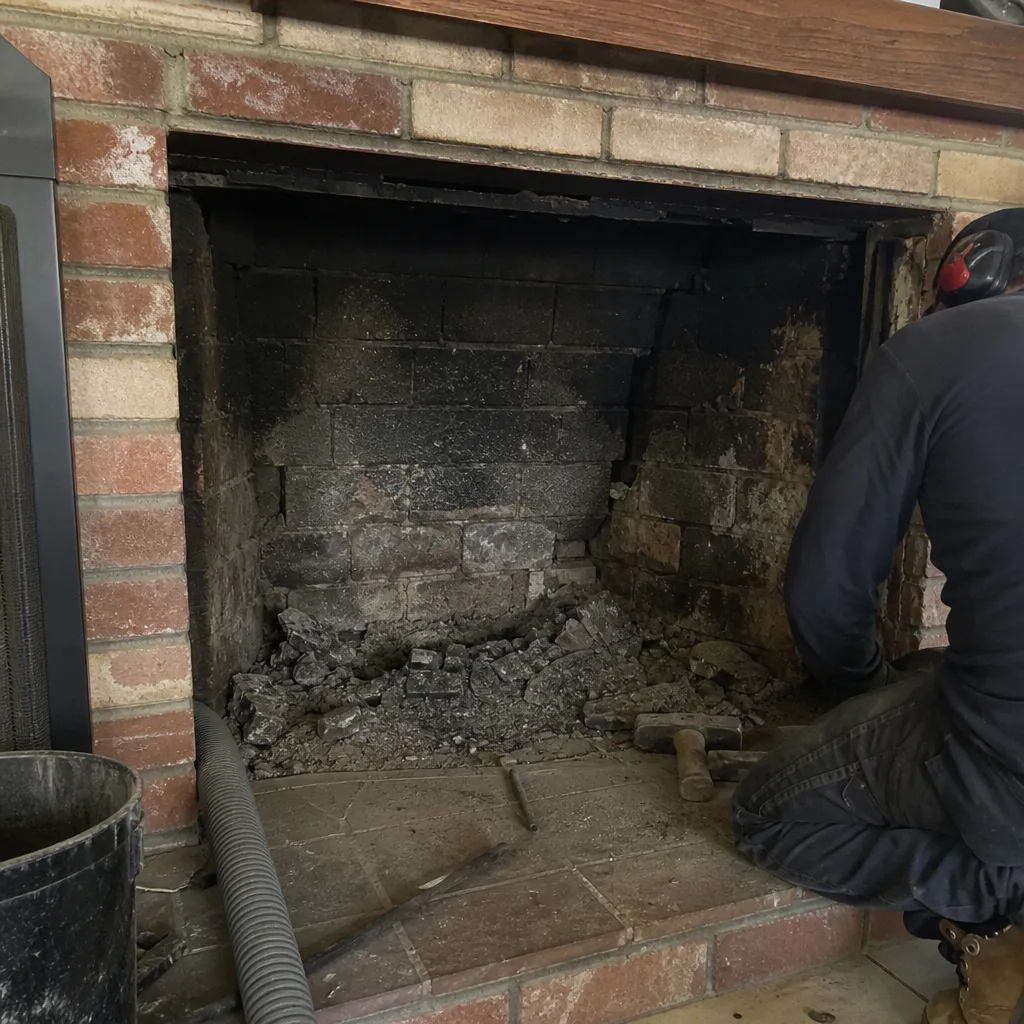 Before
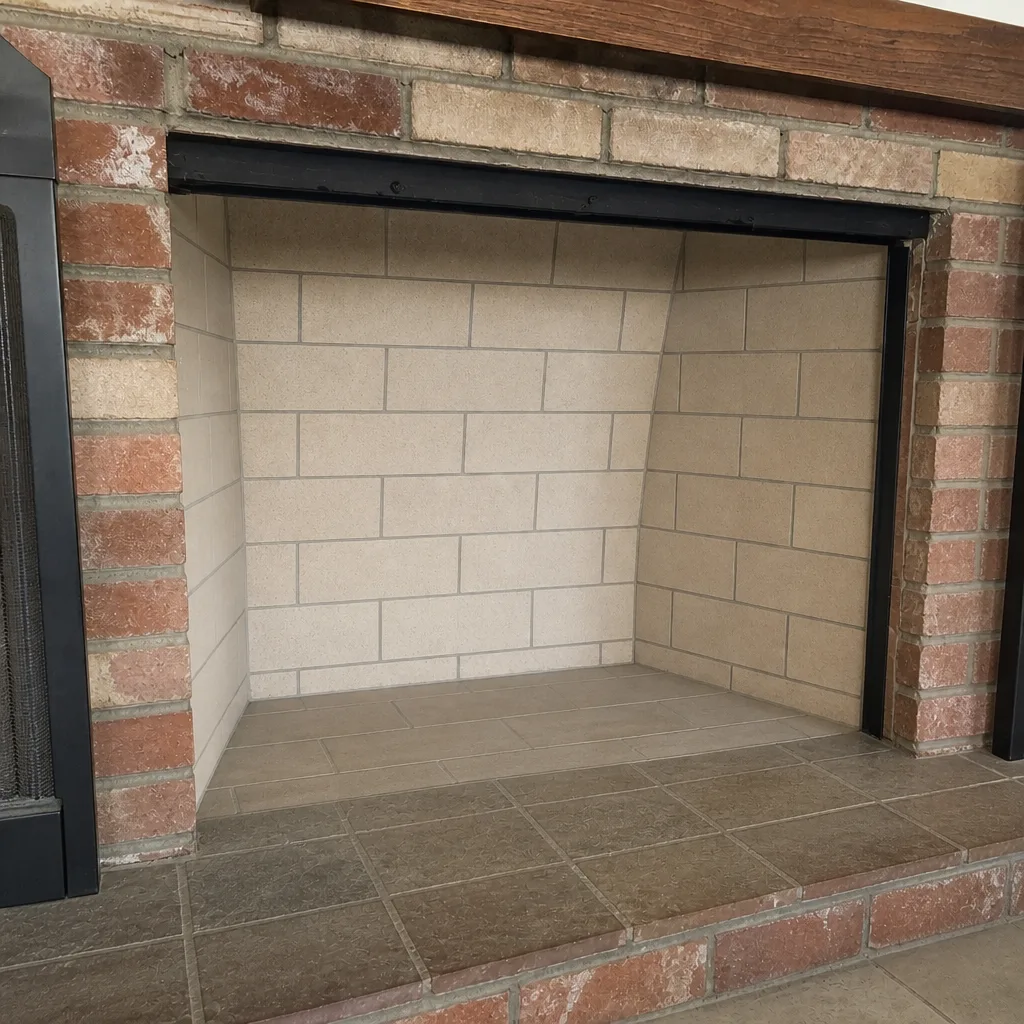 After
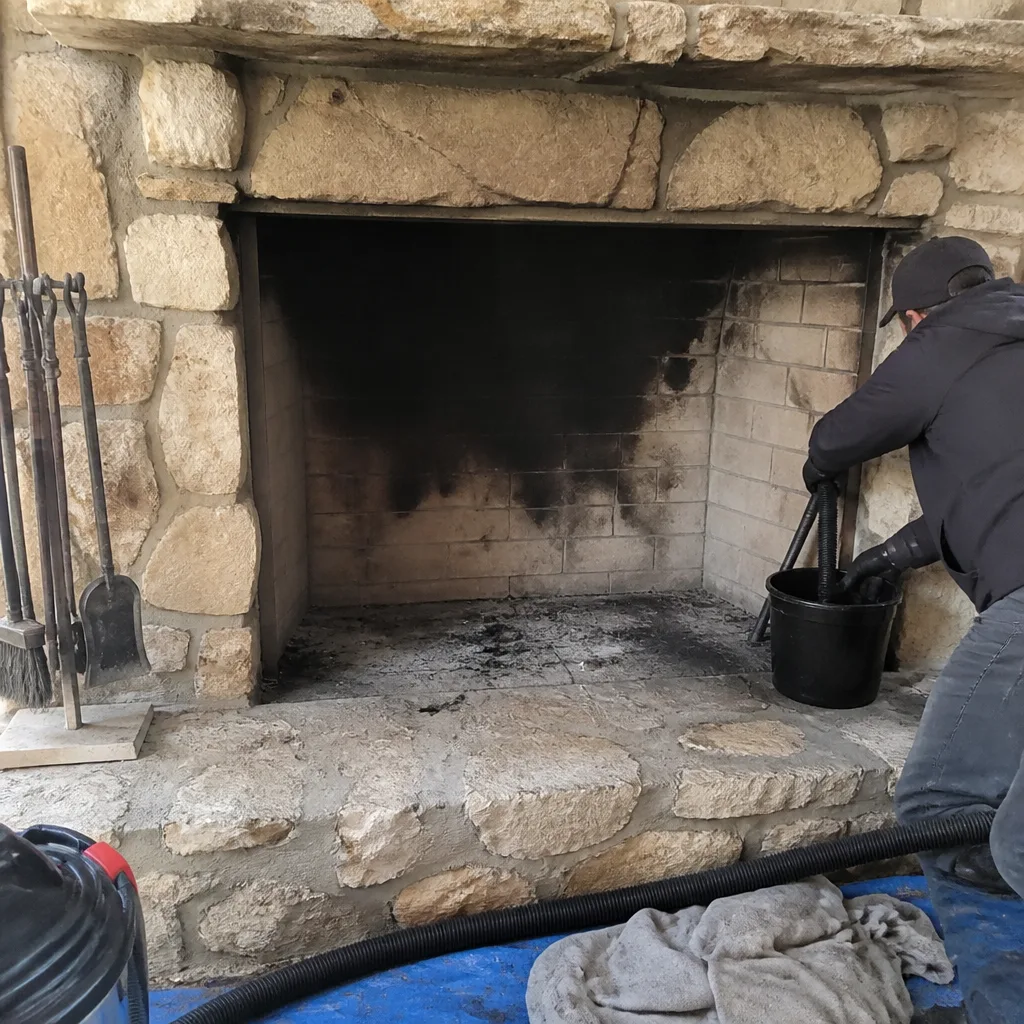 Before
 After
 Before
 After
When to Call a Professional
Call a professional when a visual check finds crown cracking beyond hairline surface wear, when mortar joints crumble to the touch, when flashing is lifted or visibly leaking, when a camera shows liner damage, or when your chimney has burned through a chimney fire of any size. The same applies when your dryer vent runs, cycles slower, or shows crusting at the exterior duct. None of these conditions improve with waiting. Chimney Sweep Apple Valley offers free estimates in Apple Valley. Call (833) 901-6532. We answer 24/7. Fast dispatch from 7am to 7pm, Sunday through Friday.
Frequently Asked Questions
Once a year, before the burning season starts, regardless of how much you used it last year. Apple Valley dust and debris can accumulate in the smoke chamber and flue even during the off-season, and we check the crown and mortar joints as part of every sweep. Call (833) 901-6532 to book your annual maintenance.
Yes. Gas appliances still vent through the flue and produce acidic condensation that can eat away at clay liners and mortar over time. They also still get debris and dust intrusion. The inspection protocol is different than for wood burning, but gas systems are not maintenance-free. Call (833) 901-6532 and we can explain exactly what a gas chimney inspection includes here in Apple Valley.
You can perform a visual inspection of the cap, crown, flashing, exterior masonry, damper, and firebox with a ladder, a flashlight, and a careful eye. What you cannot see without a camera is the upper flue and most of the smoke chamber. If your visual check turns up anything doubtful or your chimney has never been camera-inspected, that is the point to bring in a professional.
White staining, called efflorescence, means moisture is moving through the masonry and leaving mineral deposits on the surface. The moisture source is usually the crown, flashing, or ground-level water wicking. Fixing the source, not painting over the stains, is the correct approach. Call (833) 901-6532 for a free estimate on diagnosing where your chimney’s water problem begins.
Clothes take visibly longer to dry, the dryer cabinet runs hot, the exterior termination flap struggles to open, or you smell lint or mustiness in the laundry area. Any one of those signs justifies a professional dryer vent cleaning in Apple Valley before the problem worsens. Call (833) 901-6532 to schedule.
Maintenance records alone do not make a damaged chimney pass a home inspection, but they answer the inspector’s main question: has the system been consistently maintained and documented? A chimney with a five-year log of annual sweeps and seasonal visual notes reads very differently from one with no history. Records plus a clean current inspection are what you want at sale time.
The Bottom Line
An Apple Valley chimney maintenance checklist has to be built around what the high desert actually does to chimneys: UV stress on the crown, drying and erosion of mortar joints, dust intrusion through missing or damaged caps, and dryer vents that clog from ambient dust. The checklist is component-specific. Cap, crown, flashing, masonry, liner, smoke chamber, firebox, and dryer vent each get their own pass, and the failure signs for each are knowable without special training. What requires a pro is the judgment call on when sealant is enough, when a camera is necessary, and what repair tier applies. For that, call (833) 901-6532. We answer 24/7. Fast dispatch from 7am to 7pm, Sunday through Friday.
Written by the team at Chimney Sweep Apple Valley, serving Apple Valley since 2018.