
Last updated November 4, 2026
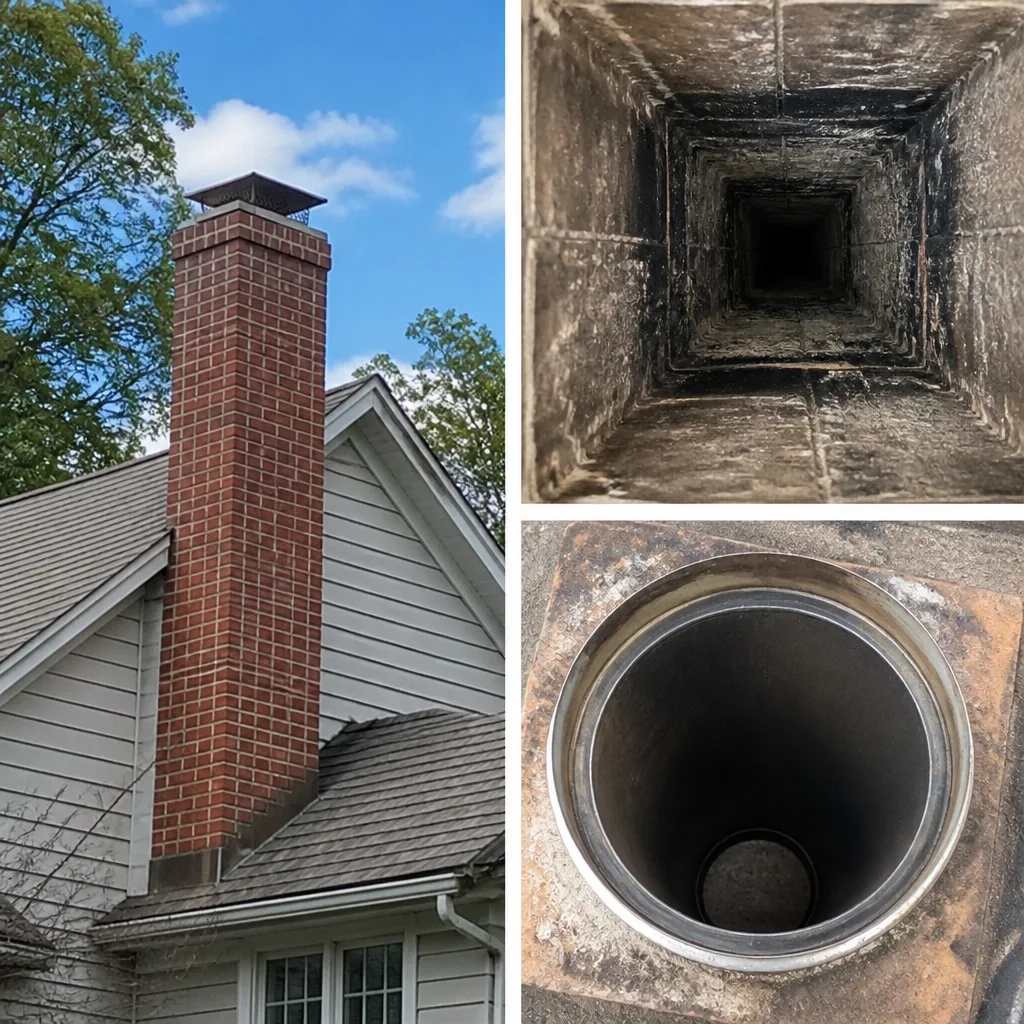 Sweep & inspection
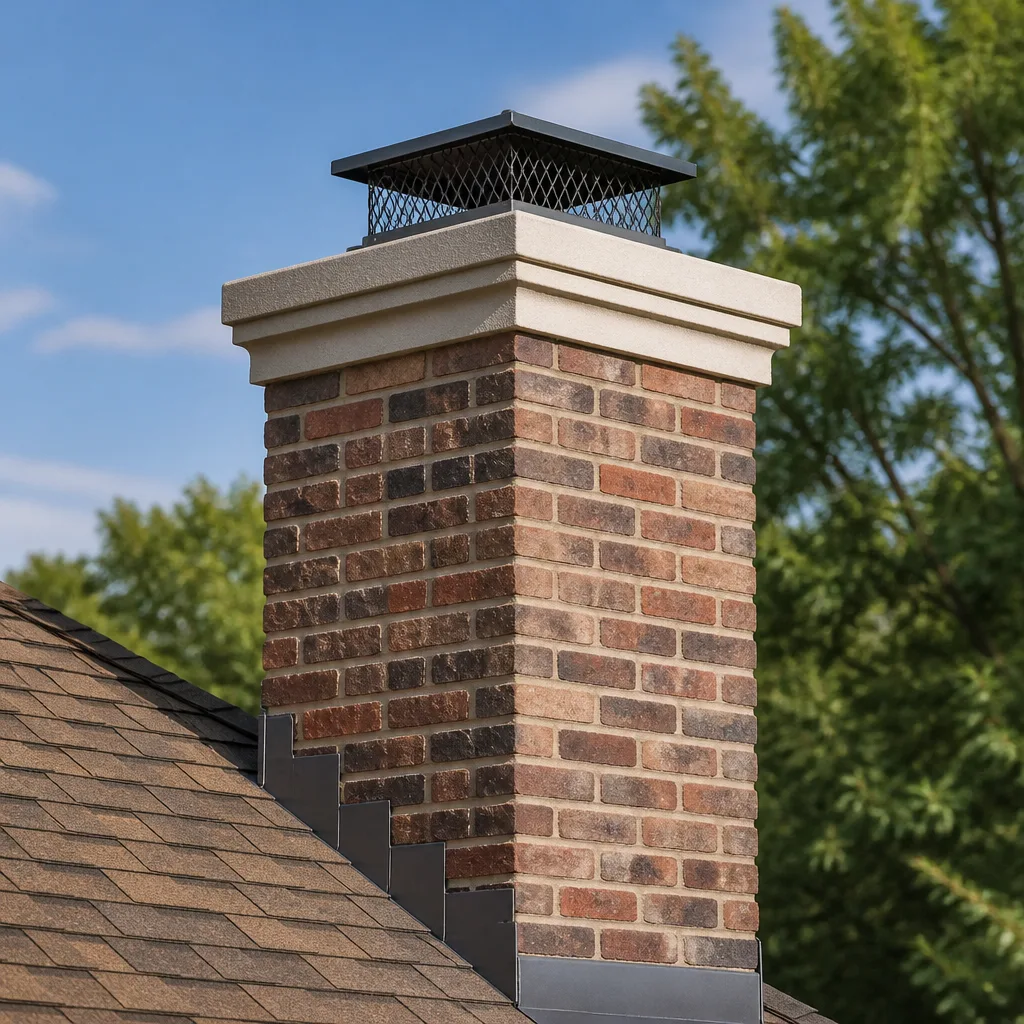 Caps & crowns
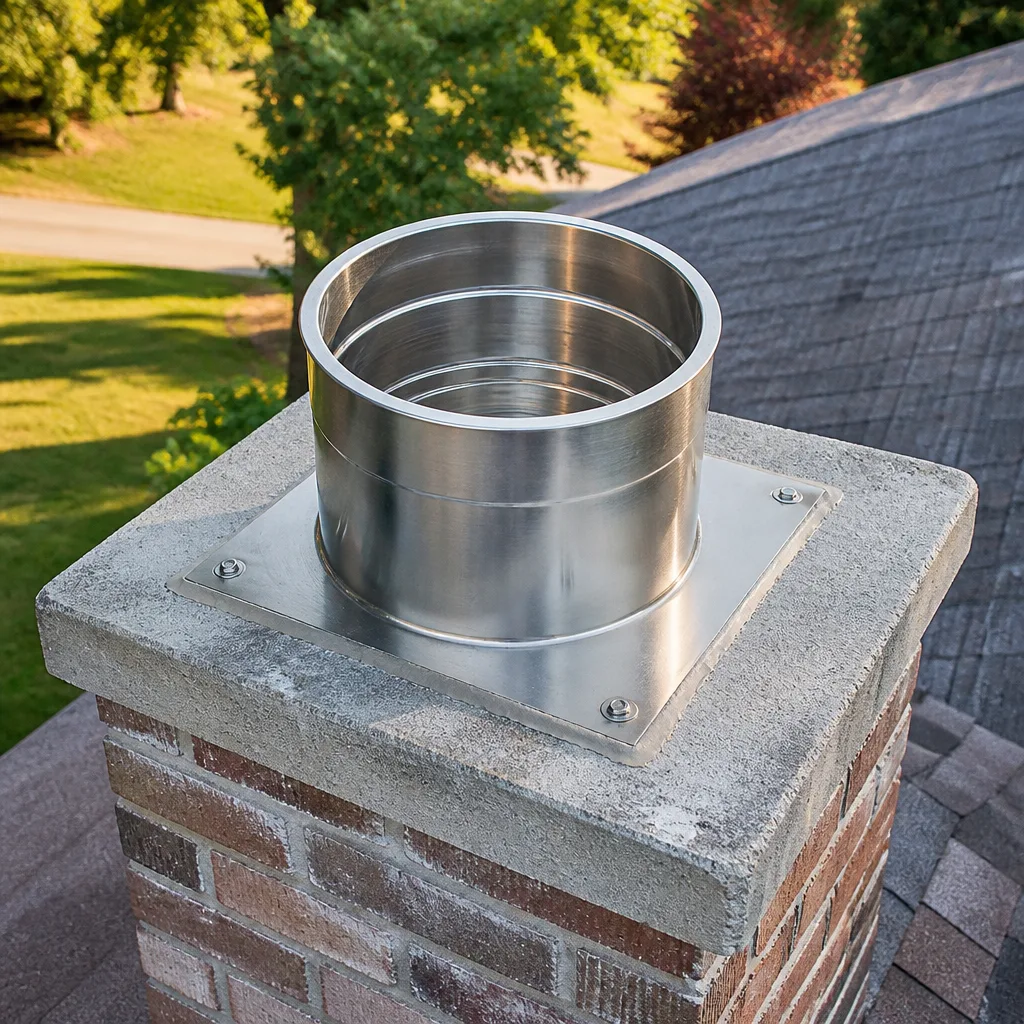 Flue relining
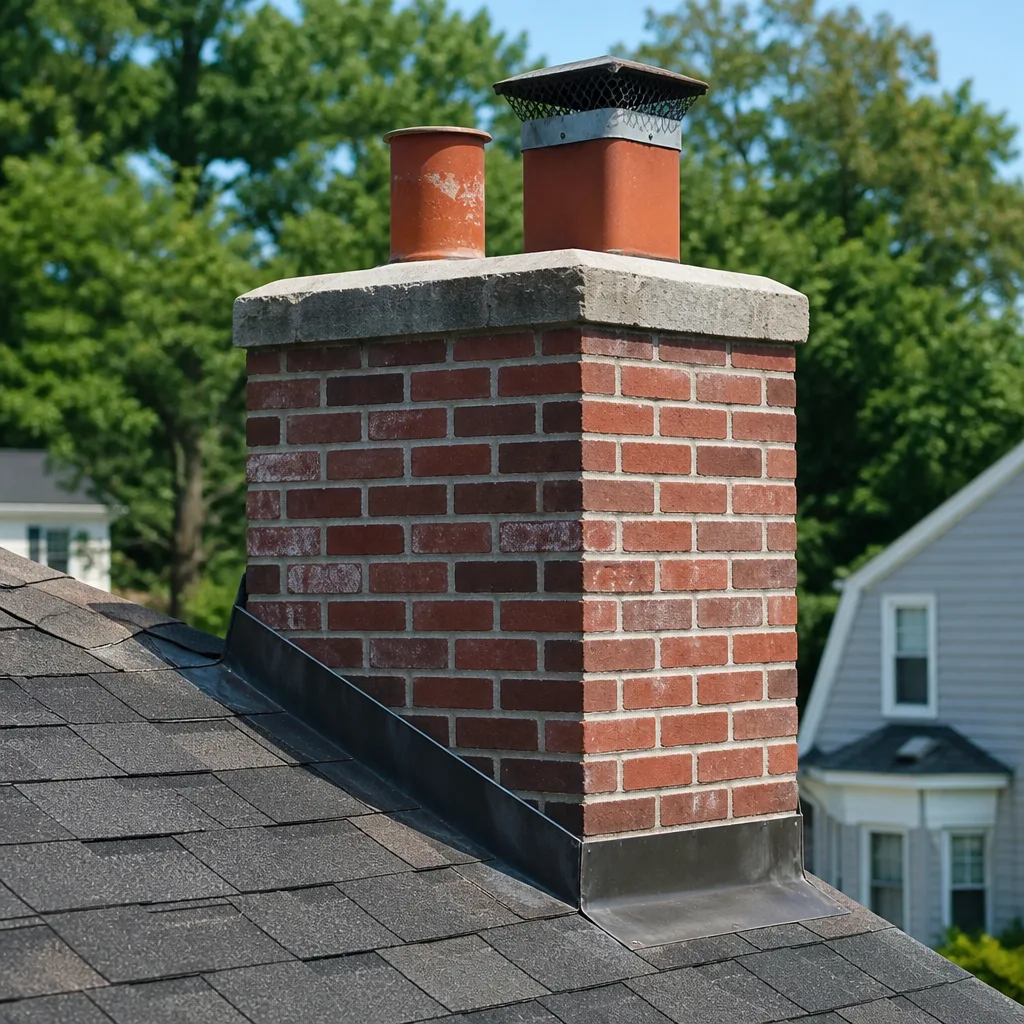 Masonry repair
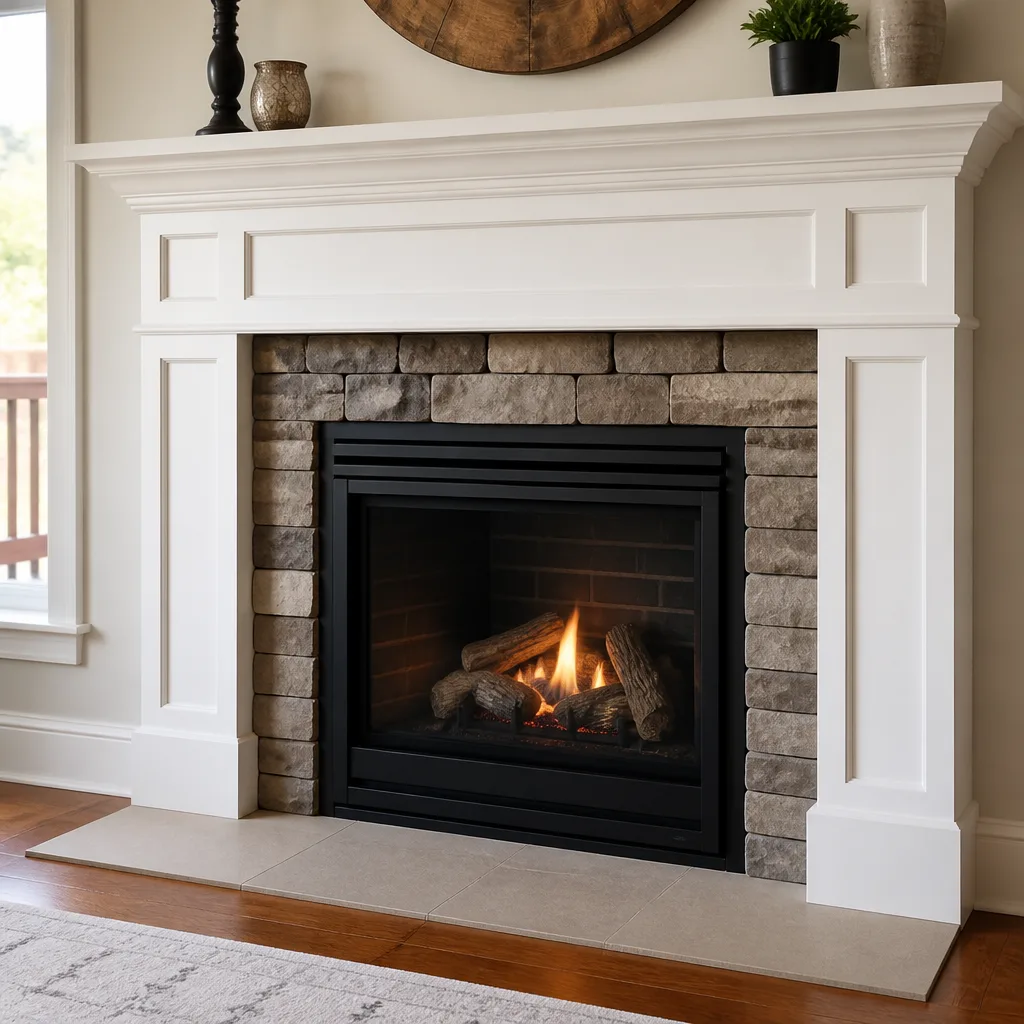 Gas fireplace service
Level 1 sweep and inspection to the NFPA 211 annual standard - flue, crown, cap, and flashing checked and photographed
Chimney sweep logs do not sweep chimneys. They loosen some creosote - which then falls where a brush and vacuum still have to collect it.
DIY vs Professional Chimney Cleaning: The Apple Valley Homeowner’s Decision Guide
The brush set hanging on the pegboard at the hardware store almost certainly doesn’t fit your flue. Standard residential clay tile flues in Apple Valley run from 8×8 to 13×13 inches, and an undersized brush skims the flat surfaces while leaving creosote packed into the tile edges. That residue is invisible from below, burns at over 2,000°F when it ignites, and is exactly what a professional sweep targets first. This guide walks through what you can realistically clean yourself, what you cannot, and how to make the call without guessing wrong about a system attached to your house.
Quick Answer
DIY chimney cleaning is feasible for a Stage 1 creosote fireplace used fewer than 50 fires per season, provided you have the correct brush size for your flue, a containment system, and enough experience to recognize what you’re looking at. A professional clean costs more than the brush set but includes a documented inspection, correct tooling, and the judgment to spot liner damage or Stage 2-3 deposits before they become a $4,000 reline. In Apple Valley, where wood-burning fireplaces still see regular use in mild winters, the decision usually hinges on what you can’t see from below.
Styles & brands we work with
- Sweep & inspection
- Caps & crowns
- Flue relining
- Masonry repair
- Gas fireplace service
Table of Contents
- What DIY Can Realistically Accomplish
- What DIY Cannot Safely Accomplish
- How to Measure Your Flue for the Correct Brush Size
- The Real Cost of DIY Cleaning
- Creosote Stages and What They Mean for Your Chimney
- The Inspection Report: Documentation DIY Can’t Produce
- Common Mistakes to Avoid
- When to Call a Professional
- Frequently Asked Questions
What DIY Can Realistically Accomplish
A homeowner with a straight-run flue, an accessible roof ridge, and a properly sized brush can remove Stage 1 creosote. Stage 1 is the flaky, sooty deposit that forms during low-temperature fires. It brushes off relatively easily and does not require chemical treatments. If you burn seasoned hardwood, keep fires hot, and use the fireplace fewer than 50 times per season, this is likely what you’re dealing with.
DIY cleaning works when all of the following are true:
- The flue runs straight from the firebox to the chimney cap with no offsets or bends.
- You can safely access the roof ridge without working on a steep pitch.
- You own or rent a brush that matches your flue’s interior dimensions, not just a generic “chimney brush” from a big-box shelf.
- The creosote is flaky and dry, not tar-like or glazed.
- You have a containment drop cloth, a respirator rated for fine particulate, and a second person to foot the ladder.
In our experience, Apple Valley homeowners who burn mostly on cool desert evenings often fall into this category. The mild winter climate means fireplaces run intermittently rather than continuously, which tends to produce Stage 1 deposits rather than heavy glaze. That said, a clean-looking firebox does not mean a clean flue. The deposits that matter are 15 to 30 feet above your head.
What DIY Cannot Safely Accomplish
Stage 2 creosote is a different material. It appears as shiny, tar-like flakes and resists brushing. Stage 3 is a hardened glaze that requires rotary tools with carbide or steel whip heads. Neither responds to a homeowner-grade brush set. If you’re seeing thick, shiny deposits, or if your fires have ever produced a low rumble that sounds like a freight train, you need professional equipment and professional judgment.
There are other conditions where DIY simply isn’t the right call. Offset flue runs, where the chimney shifts to accommodate a roofline or interior framing, trap creosote at the bend. A brush pushed from above will not clean an offset properly. Gas insert venting is a separate category entirely; those vent runs require specific brushes and often involve disassembly that voids warranties if done incorrectly. And any situation where liner integrity is in question, whether from age, cracking, or previous chimney fire, belongs with someone who can inspect and document what they find.
For liners showing early deterioration, products like HeatShield are applied as a ceramic resurfacing layer. That is not a DIY product. It’s a professional material specified for flue restoration. We work with HeatShield because a reline with DuraFlex flexible stainless can run several thousand dollars, and a cerified resurfacing application sometimes avoids that entirely. The point is that recognizing the difference between cleanable creosote and a liner problem takes experience, and guessing wrong carries a real cost.
How to Measure Your Flue for the Correct Brush Size
If you’re going to attempt a DIY sweep, the first task is not buying a brush. It’s measuring the flue. Most Apple Valley homes built between the 1970s and early 2000s have rectangular or square clay tile liners. Common dimensions are 8×8, 8×12, 12×12, and 13×13 inches. Some older homes have round terracotta liners in 6, 7, or 8-inch diameters.
Here’s the step-by-step process for measuring accurately:
- Remove the chimney cap, if accessible, or open the cleanout door at the base of the flue.
- Measure the interior width and depth of the flue at the top, not the exterior masonry dimensions.
- Record the measurement in inches. An 8×12 flue is 8 inches wide and 12 inches deep.
- Cross-reference your measurement with the sizing chart from SOOTEATER, Rutland, or the brush manufacturer you’re buying from.
- Select a brush that matches the interior dimension exactly. A brush slightly over can bind; slightly under leaves creosote at the tile edges.
For round flues, the brush diameter should match the liner interior diameter. For square or rectangular flues, you’ll need a brush shaped to the flue, not a round brush. This is where most DIY attempts go wrong. A round brush in a rectangular flue cleans the middle and leaves four corners loaded.
If measuring from the roof feels unsafe, or if you’re unsure whether you’re measuring the correct surface, call a chimney sweep and ask about the inspection portion of their service. We measure, document, and photograph the flue on every visit.
The Real Cost of DIY Cleaning
Walk through the aisles of any hardware store in Apple Valley and you’ll see basic chimney brush kits for $30 to $60. Those kits are often round brushes with fiberglass rods, suitable for a narrow range of flue sizes. The actual cost of a proper DIY setup is higher than the sticker price.
| Item | Typical Cost Range |
|---|---|
| Correct-size brush (poly or wire) | $25-$80 |
| Rod set (fiberglass, 6-8 rods) | $40-$90 |
| Respirator (N95 minimum, P100 recommended) | $25-$45 |
| Containment drop cloth and tape | $15-$30 |
| Camera or borescope rental | $30-$75 per day |
| Roof safety gear if not owned (harness, rope) | $60-$150 |
| Total realistic investment | $195-$470 |
A professional sweep in the Apple Valley market typically runs in the same ballpark, sometimes less when the job is straightforward, and it includes the inspection report, containment, disposal, and the judgment to spot problems before they turn into visible damage. The DIY kit is reusable, so the second and third cleanings bring the per-use cost down. But the value comparison shifts when you factor in what the professional produces that a brush cannot: a documented inspection with photos, a written condition assessment, and recommendations that hold weight with insurance or a future buyer.
Creosote Stages and What They Mean for Your Chimney
Creosote isn’t one material. It’s a category of combustion byproducts that condense on flue walls at varying temperatures and densities. Understanding the three stages helps you know what you’re looking at when you shine a light up the flue.
Stage 1: Flaky Soot
Dry, flaky, gray or brown deposits. Brushes off with a standard chimney brush. Removeable by a competent DIYer with the correct equipment. Common in Apple Valley fireplaces used occasionally with seasoned wood.
Stage 2: Tar Flakes
Shiny, hardened flakes that resist brushing. Contains unburned tar and oils. Requires chemical treatment or rotary cleaning. DIY brushing will not remove it and may give a false sense of completion.
Stage 3: Glazed Creosote
A hard, glassy layer that can form when Stage 2 deposits are repeatedly heated and cooled. Burns like fuel. Requires professional rotary tools and possibly chemical breakers. This is the material most often involved in serious chimney fires.
A clean chimney isn’t a luxury. It’s a fire-code reality. The National Fire Protection Association recommends annual inspection and cleaning as needed. In Apple Valley, where the burn season is shorter than in colder climates, some homeowners skip a year. The problem is that creosote doesn’t evaporate. It accumulates. A skipped year becomes a heavier deposit the next year, and the mild desert winters mean fires burn lower and cooler, which creates more condensation and faster deposits.
The Inspection Report: Documentation DIY Can’t Produce
When you clean your own chimney, you have a brush and a pile of soot. When a professional cleans, you receive a written inspection report with photos of the flue interior, before and after. That documentation has real financial value in specific situations.
If you’re selling a home in Apple Valley, buyers and their inspectors will ask about fireplace maintenance. A stack of dated inspection reports shows the system has been maintained at a professional level. A seller who says they cleaned it themselves has nothing to show. In a competitive resale market, that documentation can be the difference between a smooth negotiation and a buyer demanding a full Level 2 inspection or a reline.
Insurance claims are the second scenario. If a chimney fire occurs, your insurer will ask when the chimney was last cleaned and inspected, and by whom. A professional report is a defensible record. A receipt for a brush set is not. We never recommend unnecessary work, but we do recommend keeping a record of work that was done and what was found. That is a Chimney Sweep Apple Valley standard: no recommendation without camera evidence you can see for yourself.
We stock and work with professional-grade materials including Famco caps and dampers, Copperfield accessories, DuraFlex liners, and HeatShield resurfacing products. Those brands matter because they’re what the industry specifies, not what ships fastest from a warehouse. When a repair or replacement is needed, the parts going into your chimney are the same ones a commercial contractor would use.
Common Mistakes to Avoid
- Buying a round brush for a rectangular flue. This is the most common DIY error we see in Apple Valley. The brush cleans the center and leaves the corners loaded with creosote.
- Skipping the roof inspection. A clean flue attached to a rusted rain cap or cracked crown is not a safe system. The chimney cap is the first line of defense against moisture and animal intrusion.
- Assuming a clean firebox means a clean flue. The firebox is at the bottom. Creosote accumulates upward where temperatures drop. What you see from the hearth tells you almost nothing about the upper flue.
- Using chemical logs as a substitute for brushing. Creosote-burning logs can loosen Stage 1 deposits, but they don’t remove anything. The residue still has to be brushed out. And on Stage 2 or 3, they do nothing useful.
- Cleaning from the top without a containment plan. Soot will find its way into the living room if the firebox opening isn’t sealed with plastic and tape. This is a messy, frustrating failure.
- Ignoring dryer vent cleaning while focusing on the chimney. Dryer vents catch lint, and lint fires start the same way chimney fires do: slow accumulation followed by an ignition source. One call covers your chimney and your dryer vent. That’s why dryer vent cleaning is part of our standard service scope, rather than a separate trade.
- Putting off a liner inspection because the chimney “works fine.” A hairline crack in a clay liner can vent hot gas into the chimney chase. You won’t see it from below. Repair before it becomes a reline. HeatShield resurfacing handles early deterioration at a fraction of full reline cost.
When to Call a Professional
Call a professional if you see Stage 2 or Stage 3 creosote, if your flue has offsets, if you have a gas insert whose venting you’re not sure about, if your liner is original to the home and over 25 years old, or if you simply don’t want to stand on a roof ridge with a brush and a respirator. These are not edge cases. They’re common conditions in Apple Valley homes. Chimney Sweep Apple Valley offers free estimates in Apple Valley. Call (833) 901-6532 for a written quote. We answer 24/7. Fast dispatch from 7am to 7pm, Sunday through Friday.
Frequently Asked Questions
A professional chimney cleaning in Apple Valley typically ranges from $150 to $350 depending on flue size, accessibility, and creosote condition. The exact price is set by a written estimate after we inspect the job. Call (833) 901-6532 for a free quote.
You need a brush that matches your flue’s interior dimensions exactly. Measure the flue at the top, then cross-reference with the manufacturer’s sizing chart. An 8×8 flue takes an 8×8 rectangular brush. A 12×12 takes a 12×12. Measure before you buy. If you’re unsure, call us and we’ll tell you what we’d use.
Annual inspection is the standard recommendation, with cleaning done as needed based on what the inspection finds. If you burn fewer than 50 fires per season with seasoned hardwood, you may only need cleaning every other year. But the only way to know is to look at the flue, not to guess by usage alone.
You can use a bottom-up rotary system with a drill and flexible rods, which is how many professionals handle inaccessible roofs. But the roof and cap still need inspection, and bottom-up cleaning requires sealing the firebox opening completely. Most Apple Valley homeowners with single-story homes find top-down cleaning simpler.
Yes. The dryer vent is the other fire source attached to your house. Lint accumulation restricts airflow, which overheats the dryer and creates an ignition risk. We bundle chimney sweeping and dryer vent cleaning because both are fire-prevention tasks, and many chimney companies skip the dryer entirely. One call covers both.
Creosote accumulates faster than most homeowners expect, especially with green or soft wood. If it ignites, you’re looking at a chimney fire that can crack the liner and spread heat into the framing. The repair after a chimney fire is almost always more expensive than a decade of cleanings would have been. The written estimate sets the final price, and estimates are free.
The Bottom Line
DIY chimney cleaning has a legitimate place. A homeowner with a straight flue, a correct brush, containment gear, and a safe roof setup can remove Stage 1 creosote and save the cost of a single visit. What DIY cannot produce is the documented inspection, the camera-verified condition report, or the judgment to distinguish cleanable deposits from a liner in early failure. In Apple Valley, where fireplaces are a lifestyle feature rather than a survival necessity, the stakes are straightforward: a chimney fire is cheaper to prevent than to survive. Call (833) 901-6532 for a free estimate. We answer 24/7. Fast dispatch from 7am to 7pm, Sunday through Friday.
Written by the team at Chimney Sweep Apple Valley, serving Apple Valley since 2018.
See the difference
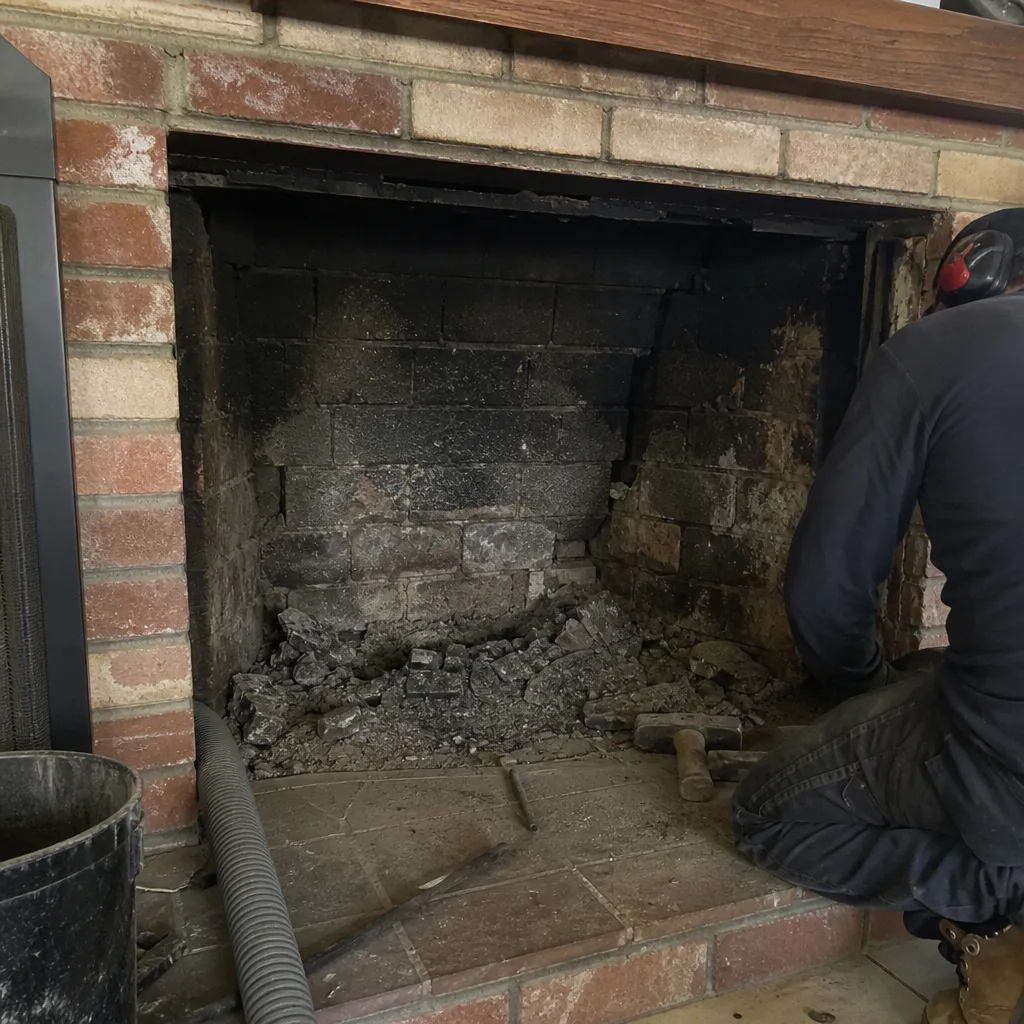 Before
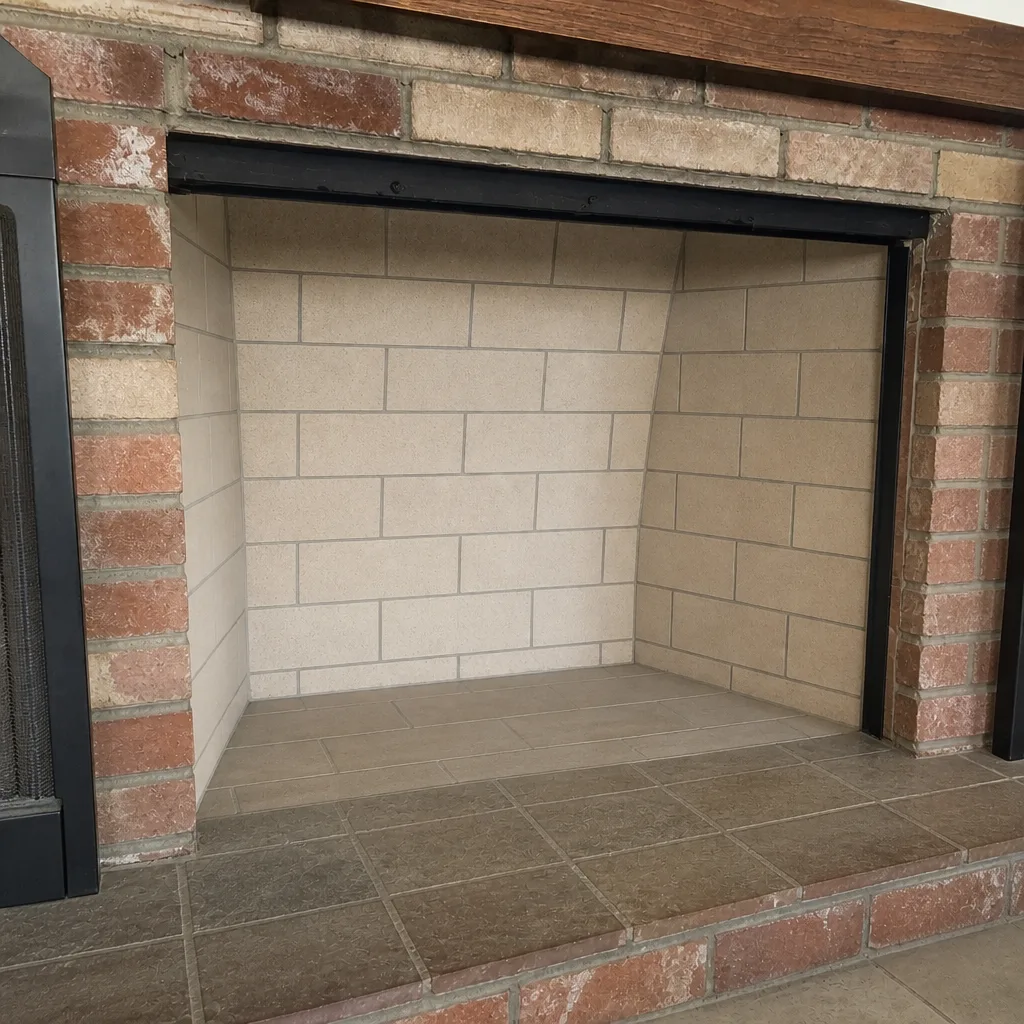 After
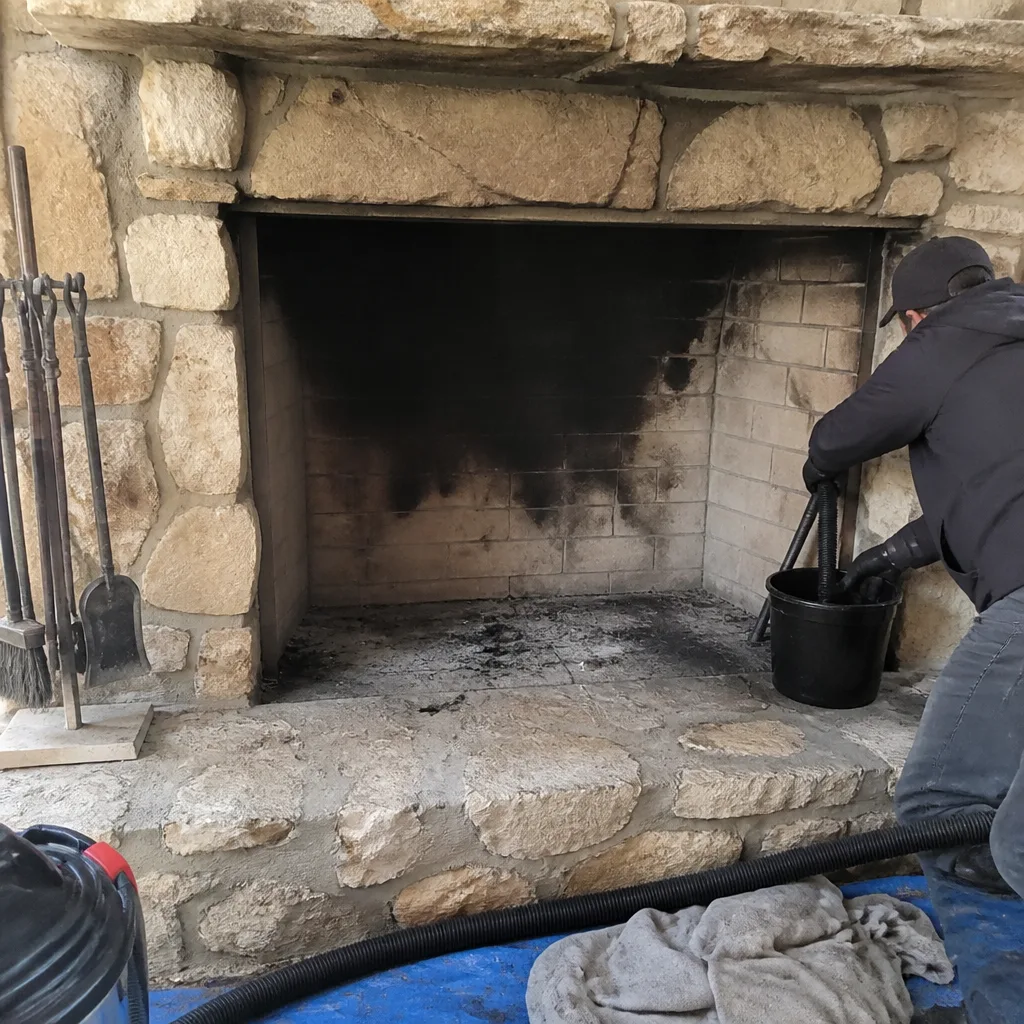 Before
 After
 Before
 After