
Last updated November 4, 2026
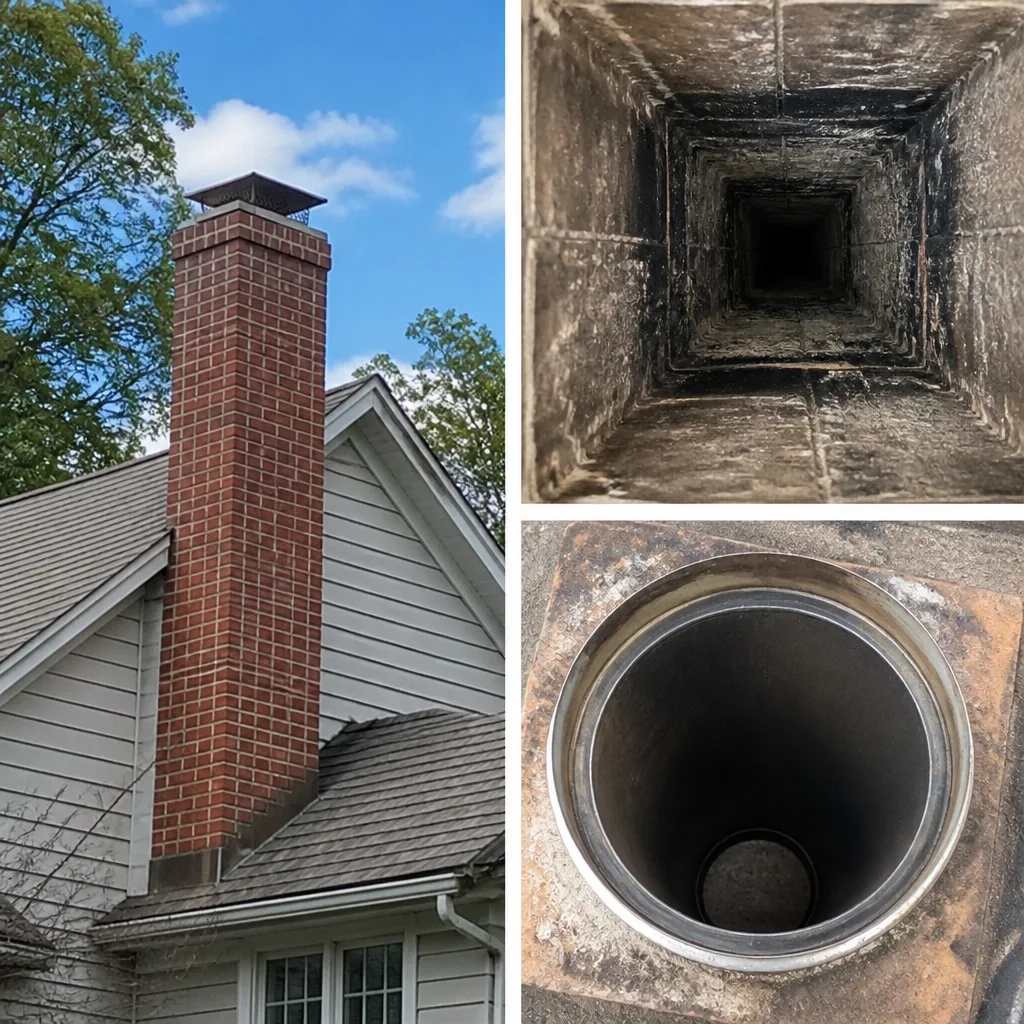 Sweep & inspection
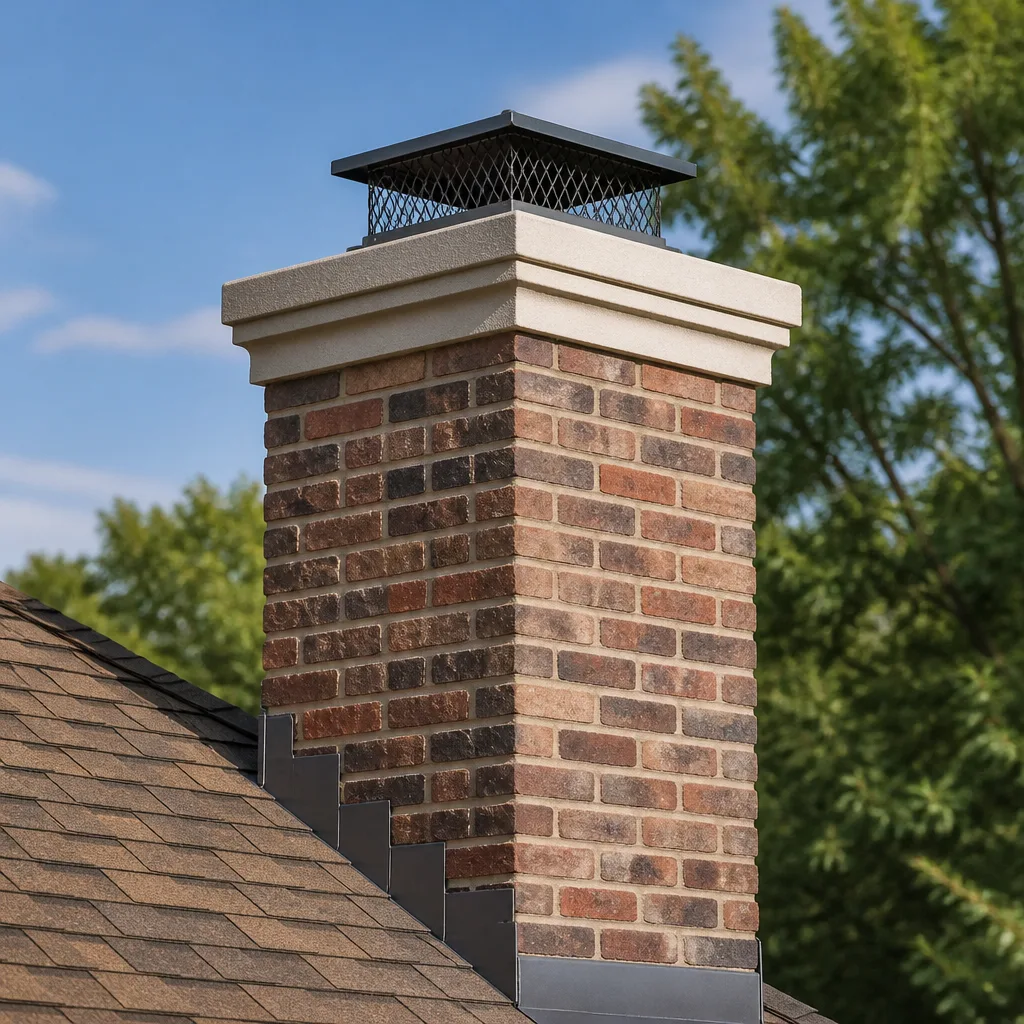 Caps & crowns
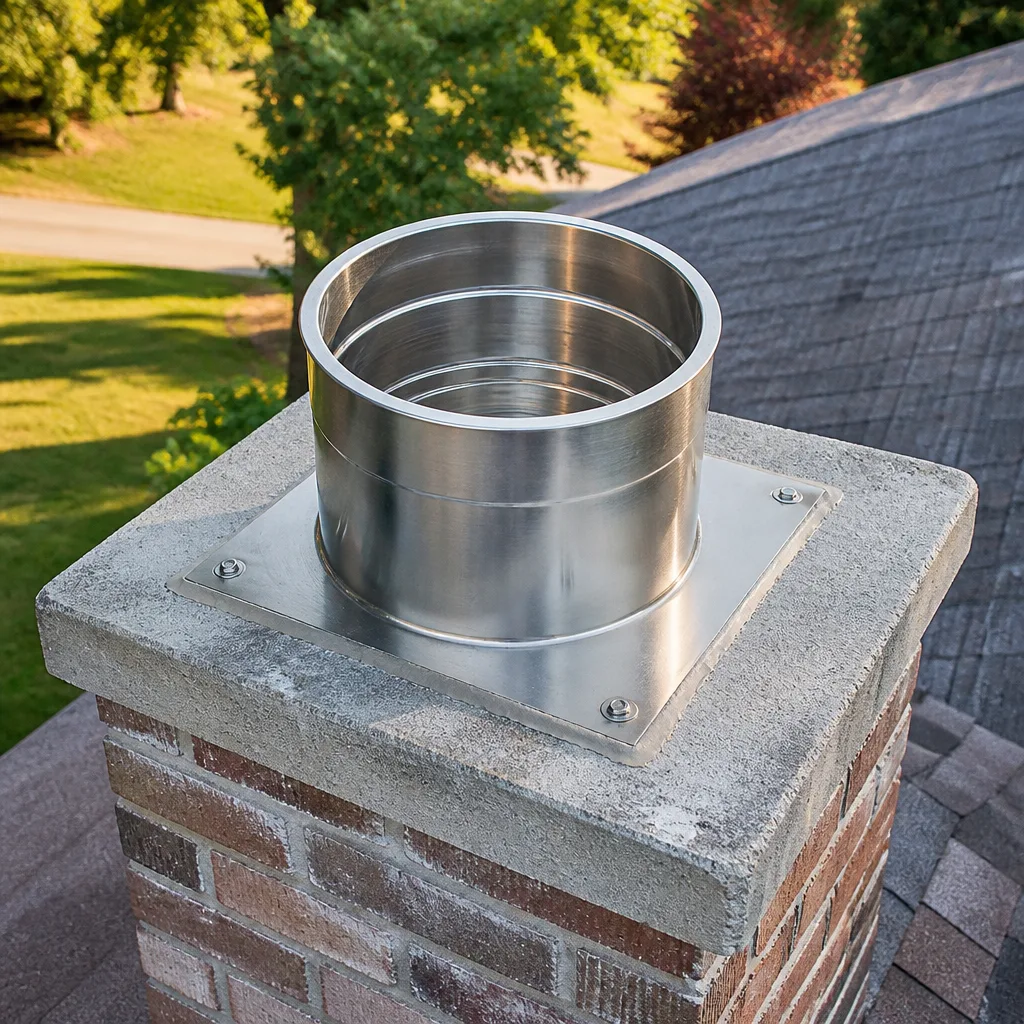 Flue relining
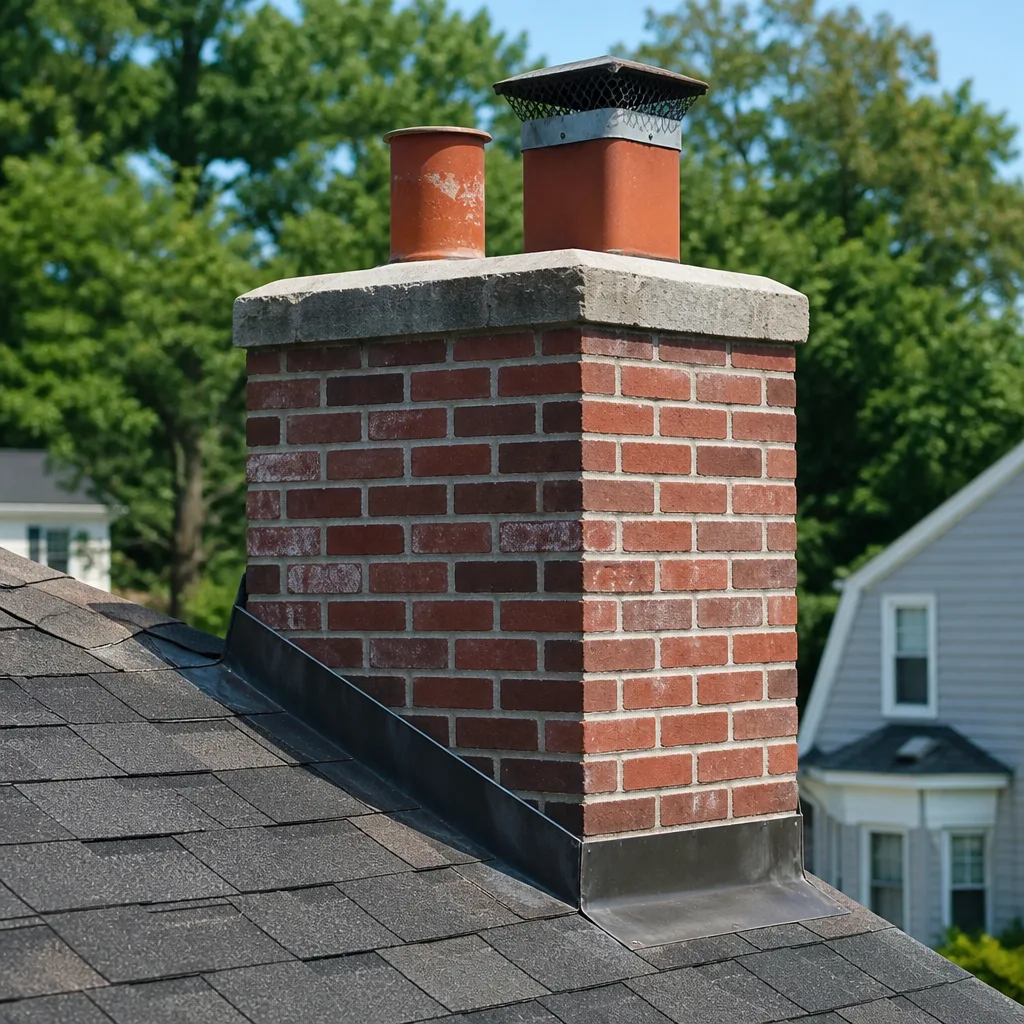 Masonry repair
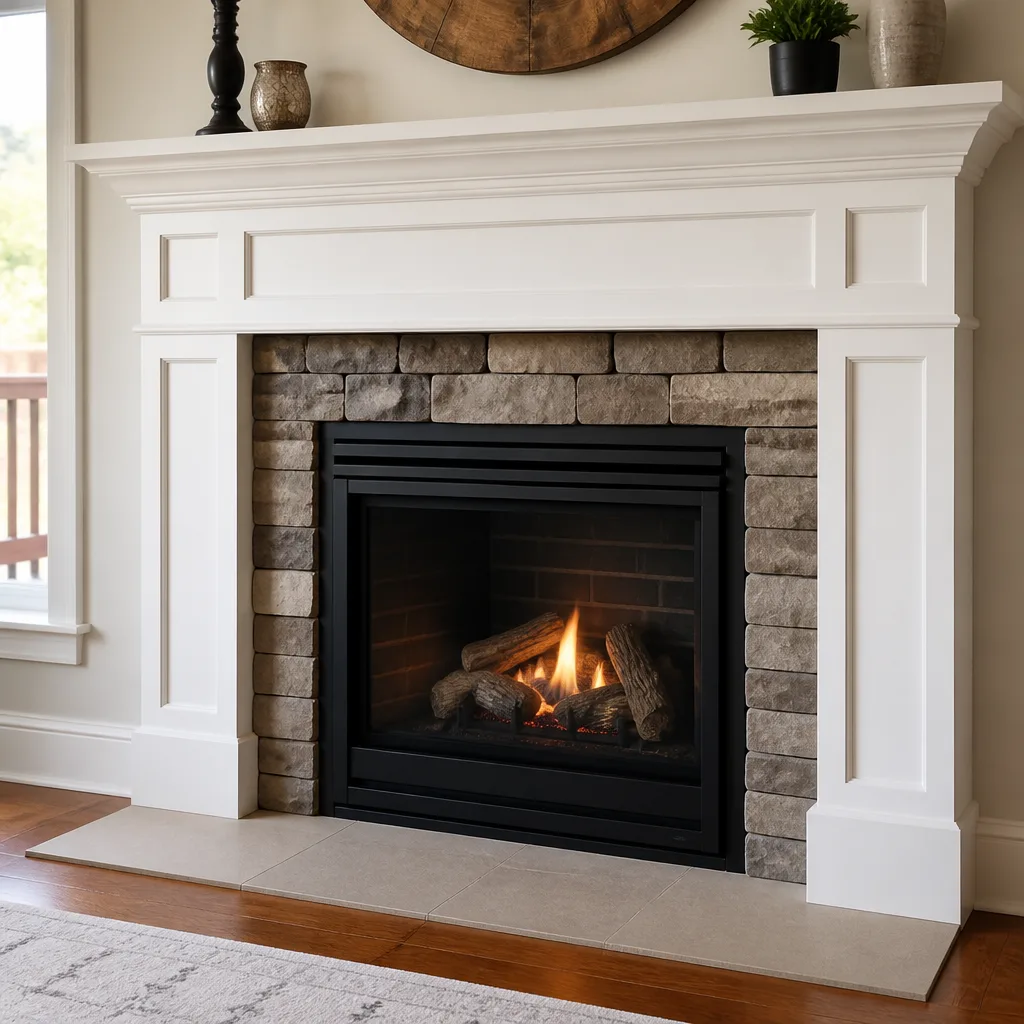 Gas fireplace service
Level 1 sweep and inspection to the NFPA 211 annual standard - flue, crown, cap, and flashing checked and photographed
Chimney sweep logs do not sweep chimneys. They loosen some creosote - which then falls where a brush and vacuum still have to collect it.
Chimney Cleaning Cost Breakdown: The Apple Valley Homeowner’s Reference for 2026
Quoting chimney cleaning as a flat $150 service is like quoting an oil change without knowing the vehicle. The price is a placeholder, not a scope of work, and it usually means the technician hasn’t yet seen your flue. In Apple Valley, where the high desert climate lets homeowners burn wood through surprisingly long stretches of fall and winter, what you actually pay depends on how much creosote has hardened inside the flue, how your liner was built, and whether the last sweep was done thoroughly or just cosmetically. This guide breaks down the real cost tiers, the line items that belong on a legitimate chimney sweep estimate in Apple Valley, and how to separate necessary work from manufactured upsells.
Styles & brands we work with
- Sweep & inspection
- Caps & crowns
- Flue relining
- Masonry repair
- Gas fireplace service
Quick Answer
Chimney cleaning in Apple Valley typically runs $180 to $400 for most homes in 2026. A basic visual sweep of a clean, single-story chimney with a clay tile liner starts around $180, while a two-story home with heavy third-degree creosote and a stainless liner requiring rotary loop tools and chemical treatment can reach $400 or more. Level 2 camera inspections add $125 to $250 when bundled with a sweep.
Table of Contents
- The Four Cost Tiers of Chimney Cleaning in Apple Valley
- How Your Flue Liner Material Changes the Cleaning Price
- Legitimate Add-Ons Versus Manufactured Upsells
- Single-Story Versus Two-Story Access: What That Costs
- How to Evaluate Competing Quotes by Scope of Work
- Understanding Creosote Stages and Why They Matter for Your Bill
- Apple Valley Market Rates for 2026: A Line-Item Breakdown
- Common Mistakes to Avoid
- When to Call a Professional
- Frequently Asked Questions
The Four Cost Tiers of Chimney Cleaning in Apple Valley
A chimney sweep should never be quoted as a single number. The scope changes based on what the technician finds, which is why responsible companies price by inspection first. Here are the four tiers that show up on legitimate Apple Valley estimates.
Tier 1: Basic Sweep, $180 to $220. This covers a fireplace that’s been burned occasionally, maybe ten or fifteen fires since the last cleaning, with light soot and minimal creosote. The technician runs a wire brush up the flue, removes debris from the smoke shelf, and sweeps the firebox clean. Most single-story Apple Valley homes with gas log sets fall into this range, because gas produces far less creosote than wood.
Tier 2: Level 1 Inspection + Sweep, $220 to $300. The Level 1 inspection is the minimum standard most qualified sweeps perform alongside every cleaning. It means checking the accessible portions of the chimney interior, verifying the flue is unobstructed, and confirming the damper opens and closes properly. This tier applies to homes that burn wood seasonally and haven’t had any changes to their system.
Tier 3: Level 2 Inspection with Camera, $325 to $425. A Level 2 inspection runs a camera through the flue and documents its condition with video or still images. This is what a proper chimney sweep recommends when you’ve had a chimney fire, purchased a home with an unknown service history, changed fuel types, or experienced a storm that may have shifted the crown or cap. The camera reveals hairline cracks, missing mortar joints, and hidden creosote pockets that no brush can address.
Tier 4: Stage 3 Creosote Removal with Chemical Treatment, $375 to $450. Hard, glazed creosote (technically called third-degree creosote) does not brush out. It requires rotary loop tools on a drill shaft to break up the hardened deposits, followed by a chemical treatment that softens whatever remains for a second pass. In our experience, a significant share of Apple Valley wood-burning fireplaces that have gone two or more years between sweeps need this tier. The chemical treatment alone is not a substitute for mechanical removal, but it’s a necessary step when a homeowner has skipped several seasons of maintenance.
Each tier assumes the flue is accessible and functional. A damaged liner, a compromised cap, or a chimney that needs masonry work pushes the job into repair territory, which is a separate estimate.
How Your Flue Liner Material Changes the Cleaning Price
Most homeowners never think about liner material until a sweep points it out, but it’s one of the most direct drivers of cleaning time and therefore cost.
Clay tile liners are the traditional option, found in most Apple Valley homes built before the late 1990s. They’re durable, but their porous surface holds creosote differently than metal. A standard wire brush cleans tile adequately for light deposits, but rotary loops are often needed for buildup that’s had time to glaze in the warm, dry Apple Valley air. The drying cycle here is fast, which means creosote left over from one season bakes into a harder state by the next.
Cast-in-place liners, usually poured concrete around an inflatable form, have a rough interior that can trap deposits. Sweeping them takes longer because the texture holds onto creosote. We specify careful brush sizing on this liner type because oversized bristles can score the surface. Expect to pay on the higher end of the tier range when you have this liner.
Stainless steel liners, often installed as flexible or rigid inserts, are the fastest to clean properly. Their smooth surface resists creosote adhesion, and a matching brush on a rod passes through efficiently. Homes where a DuraFlex stainless liner has been installed to reline a deteriorating clay flue often see sweep times on the shortest end of the range, because the smooth interior simply doesn’t hold deposits the way porous materials do.
The practical takeaway for Apple Valley homeowners: a 30-foot clay tile flue with moderate creosote might take 45 minutes of active sweeping. The same chimney with a stainless insert might take 20. That labor difference shows up in the final price.
Legitimate Add-Ons Versus Manufactured Upsells
This is where the industry earns its mixed reputation. Some add-ons are necessary, based on visible evidence. Others are high-margin items pushed by technicians trained to sell rather than inspect. Here’s how to tell the difference.
Legitimate add-ons, backed by what you can see yourself:
- Chimney cap replacement, $80 to $250 plus the cap. If the existing cap is rusted through, missing mesh, or letting rain into the flue, replacing it is proper. A Famco or Gelco cap properly sized for your flue keeps animals and rain out. Ask to see the old cap before agreeing.
- Crown repair, $300 to $700. The crown is the concrete surface at the top of the chimney. Cracks here let water seep into the masonry and erode mortar joints. In Apple Valley’s dry climate, crowns still crack from thermal expansion and occasional heavy rain events. A visual inspection of the crown should be part of any sweep.
- HeatShield application, $800 to $1,500 depending on flue length. HeatShield is a ceramic coating applied inside the flue to seal cracks and restore the liner surface. It’s the middle option between leaving a deteriorating flue alone and a full reline. We recommend it when a camera inspection shows hairline cracks in clay tile that haven’t yet compromised the structure. It’s real repair work, not a sweep upgrade.
- Water repellent treatment, $150 to $300. Applied to exterior brick or stone, a breathable water repellent slows moisture absorption. This is worth considering if your chimney is exposed to full desert sun on one side and afternoon shade on the other, which causes thermal cycling.
Manufactured upsells to avoid:
- Creosote-destroying logs at a 300% markup. These burn and loosen deposits, but they’re a supplement, not a substitute. If the technician pushes one instead of a proper sweep, walk away.
- Unrequested liner replacement without camera evidence. No one should tell you a liner needs replacing without showing you the camera footage. If they “saw it from the top,” that’s not an inspection.
- Sealing the damper with high-temp silicone. Some sweeps push this as an energy-saving upgrade. It creates a dangerous situation if someone forgets to reopen the damper before burning, and it’s not a substitute for a properly functioning damper.
- Upgrading to a “specialty” brush for an additional $50 to $75. Brush selection is part of the job, not a line item. A sweep who charges extra for the correct tool didn’t price the job correctly in the first place.
The rule we tell every Apple Valley homeowner: if you can’t see the problem with your own eyes or on camera, don’t approve the work.
Single-Story Versus Two-Story Access: What That Costs
Access is a cost driver that nobody on the phone asks about, but it matters. A single-story Apple Valley ranch home with a walkable roof pitch takes a technician 15 minutes to set up. A two-story home with a steep roof line requires ladder work, safety harnesses in some cases, and possibly a second person to stabilize the base.
Here’s what that translates to in practical terms. The sweep itself doesn’t change, but the setup and breakdown does. A two-story roof with a steep pitch might add $50 to $100 to the job simply because the technician is spending an extra 30 to 45 minutes on access and safety protocols. Some companies build this into their flat rate. Others line-item it.
Double-sided fireplaces, common in some Apple Valley homes where a single masonry structure serves both a living room and a family room, also add time. The flue is usually no longer than a standard single-face fireplace, but there are two fireboxes to clean, two dampers to inspect, and often a more complex smoke chamber. Expect a double-sided fireplace to price 25% to 40% above a comparable single-face unit.
Gas inserts are their own category. The glass, the burner, and the venting all need attention during a sweep, and the venting path is often narrower than a full masonry chimney. A gas insert cleaning runs $150 to $225 as a standalone service in Apple Valley, often less than a wood-burning sweep because creosote isn’t a factor, but more than a basic dusting because the insert components take time to remove and clean properly.
How to Evaluate Competing Quotes by Scope of Work
Two Apple Valley companies can quote a $200 difference on the same chimney and both be honest. The gap is almost always about what’s included, not what the job actually requires. Here’s how to compare written estimates line by line.
- Ask what inspection level is included. A Level 1 is standard and should be part of every sweep. A Level 2 with camera is what you want if you haven’t had a camera inspection before, or if you’ve bought a home and don’t know its service history. If one quote includes the camera inspection and another doesn’t, that’s the entire price difference right there.
- Check the brush and method language. “Basic sweep” means wire brush only. “Rotary loop” or “mechanical removal” means the technician is equipped for tougher creosote. If your chimney hasn’t been cleaned in two or more years, ask whether the estimate includes rotary equipment or whether that’s an upcharge.
- Look for cap and damper inspection in writing. A proper sweep checks the cap, the crown, and the damper as part of the job. If a company’s estimate doesn’t mention these, they’re either skipping the checks or planning to charge separately for them.
- Confirm cleanup is included. Some companies leave a mess and call it done. Professional sweeps run drop cloths, vacuum with HEPA filtration, and leave the firebox cleaner than they found it. If cleanup isn’t listed, ask.
- Verify the company is insured. A chimney sweep walking on your Apple Valley roof is doing licensed work at height. Ask for proof of insurance before anyone climbs a ladder. Qualitatively, we’re insured and licensed, but you should verify with any company you hire.
The honest estimate is written and specific. It names the fireplace type, the roof access situation, the flue liner material, the inspection level, and the method. A one-line quote like “Chimney cleaning: $149” tells you nothing about scope, and that’s exactly how surprises happen.
Understanding Creosote Stages and Why They Matter for Your Bill
Creosote is the byproduct of incomplete wood combustion. It condenses on the flue walls as smoke cools, and in Apple Valley’s dry air, it dries and hardens faster than in humid climates. There are three recognized stages.
Stage 1: Sooty powder. This is fine, dark dust that brushes away easily. It’s what you get from a season or two of hot, efficient fires. A basic sweep handles it.
Stage 2: Flaky or honeycomb deposits. This forms when fires smolder or when unseasoned wood is burned. The deposits are crunchy and porous, and they hold heat well enough to be a genuine fire risk. Rotary brushes or more aggressive wire brushing remove it.
Stage 3: Glazed, tar-like creosote. This looks like black glass coating the flue walls. It’s dense, sticky when hot, and extremely flammable once a flue fire starts. This is what we find on Apple Valley chimneys that have gone three or four years without their annual chimney sweep. Rotary loop tools and chemical treatments are required to break it up, which is why the cost for this work is on the upper end of the range.
The stage of creosote is the single biggest variable in your final bill, and it can’t be determined from the ground. That’s why any company quoting you a firm price by phone before anyone has looked at the flue is guessing.
Apple Valley Market Rates for 2026: A Line-Item Breakdown
Based on the work we see across Apple Valley, here are the ranges homeowners can expect in 2026. These are typical estimates, not firm quotes, and your written estimate sets the final price.
Core sweep and inspection services:
- Basic sweep, single-story, clay tile, Stage 1 creosote: $180 to $220
- Basic sweep, two-story, clay tile, Stage 1 creosote: $220 to $260
- Full sweep with rotary loop, Stage 2 or 3 creosote: $280 to $400
- Level 2 camera inspection added to any sweep: $125 to $225
- Double-sided fireplace sweep: $260 to $360
- Gas insert cleaning: $150 to $225
- Dryer vent cleaning: $90 to $150 when bundled with a chimney service
Common repair and restoration add-ons:
- Chimney cap replacement (parts and labor): $180 to $450 depending on cap type and roof access
- Crown repair with proper expansion joint: $300 to $700
- HeatShield liner restoration: $800 to $1,500 for a typical single-flue masonry chimney
- Smoke chamber parging: $400 to $900
- Damper replacement: $250 to $600
What drives the spread within each range is access. A one-story Apple Valley ranch with a walkable roof and a standard flue is the cheapest scenario. Add a steep roof, a two-story ladder run, or heavy creosote, and you’re at the top end or beyond.
One point worth making directly: the difference between a $150 sweep and a $400 sweep is not marketing. It’s scope. The $150 sweep on a chimney that needs Stage 3 creosote removal is a visual wipe-down that leaves the fire hazard untouched. The $400 sweep is mechanical removal of hardened deposits, chemical treatment, and verification with a camera that the flue is actually clean. In Apple Valley, where the wood-burning season runs long and many homes are second residences or rentals with irregular maintenance, we see far more chimneys needing the thorough work than needing the basic wipe.
Common Mistakes to Avoid
- Booking on price alone without reading scope. A $129 ad price in Apple Valley usually means a visual check and a brush pass, not a real cleaning. You’ll pay again in six months when the real problem surfaces.
- Skipping the camera inspection on a home you just bought. The previous owner’s maintenance habits are in the flue, not in the disclosure. A Level 2 inspection is the cheapest way to know what you actually own.
- Burning unseasoned wood to save money. Apple Valley doesn’t have the humidity that keeps fresh-cut wood wet, but unseasoned wood still burns cool and creates creosote quickly. The money you save on wood gets spent on a deeper sweep.
- Ignoring the dryer vent. Dryer vent cleaning is a fire-safety task that most chimney-only companies skip entirely. If your dryer is on an exterior wall with a short vent run, you can push the schedule. If it runs through a wall, under a floor, or across a ceiling, lint accumulates where you can’t see it.
- Assuming a gas fireplace never needs service. Gas logs produce no creosote, but the burner assembly, the glass, and the venting still need occasional attention. A gas insert that’s never been opened in ten years runs inefficiently and can produce carbon monoxide.
- Delaying crown repair because “it never rains.” Apple Valley does get rain, and the crown is the first line of defense for the entire masonry structure. A cracked crown gets worse every season because water penetrates, then the dry heat causes the trapped moisture to expand and contract.
- Using a handyman for chimney work. Chimney work is one trade where the proper brushes, camera equipment, and product knowledge matter. We specify Olympia Chimney and Famco components because they’re sized and rated for the specific application, and a generalist doesn’t always know the difference.
When to Call a Professional
Call a chimney professional when you smell smoke inside the house after the damper is open, when you see black staining on the walls around the fireplace, when you find shaling (thin slices of flue tile) in the firebox, or when you’ve burned more than a cord of wood since the last sweep. Call when your dryer takes 50 minutes to dry a normal load, or when the lint trap is full after a single cycle. Call if you’ve had a flue fire, even a small one, because the aftermath is internal damage you can’t see from the hearth. If you’re in Apple Valley and want a camera-backed answer, Chimney Sweep Apple Valley offers free estimates. Call (833) 901-6532. We answer 24/7. Fast dispatch from 7am to 7pm, Sunday through Friday.
Frequently Asked Questions
A chimney sweep in Apple Valley typically costs $180 to $400 in 2026, depending on creosote stage, liner material, story count, and inspection level. A basic single-story sweep starts around $180, while a two-story chimney with heavy creosote requiring rotary tools and chemical treatment can reach $400. Call (833) 901-6532 for an exact quote, estimates are free.
A basic chimney sweep includes a visual inspection of the accessible chimney components, brushing of the flue with an appropriately sized brush, removal of debris from the smoke shelf, and cleanup of the firebox. The damper is checked for operation, and the sweep should tell you if the cap or crown shows visible damage. A camera inspection is a separate add-on for most companies.
You need a camera (Level 2) inspection if you’ve bought a home without knowing its chimney history, had a chimney fire, changed your fuel source, or experienced any impact to the chimney structure. The camera is the only way to see internal cracks, hidden creosote, and flue separation that a visual check from either end will miss.
The $129 price in Apple Valley is a starting point for a visual once-over, not a complete cleaning. Once the technician sees the flue condition, the scope often expands to include deeper creosote removal, a camera inspection, or repair work that the ad price was never meant to cover.
The National Fire Protection Association recommends an annual inspection, and a sweep whenever creosote reaches 1/8-inch thickness. In Apple Valley, homes that burn wood regularly through the fall and winter should expect to sweep once a year, no matter how clean the fires seem to burn.
Creosote is the direct fuel source for chimney fires, and a chimney fire can reach temperatures that crack flue tiles, warp metal liners, and spread to the house structure. Apple Valley’s dry climate accelerates creosote hardening, which makes it harder to remove and more likely to ignite if it goes untreated. Call (833) 901-6532 for a camera-backed assessment, estimates are free.
The Bottom Line
Chimney cleaning cost in Apple Valley for 2026 is not a single number. It’s a range driven by what’s actually in your flue: the stage of creosote, the condition and material of your liner, how many stories the technician has to climb, and whether the work includes a camera inspection or just a visual pass. The honest companies price by scope, in writing, after someone has looked at the chimney. The $150 sweep on an overdue chimney is not savings. It’s a postponement that costs you more later. Ask for a written estimate with inspection level, method, and line items named. If the company can’t give you that, call someone who will.
Written by the team at Chimney Sweep Apple Valley, serving Apple Valley since 2018.
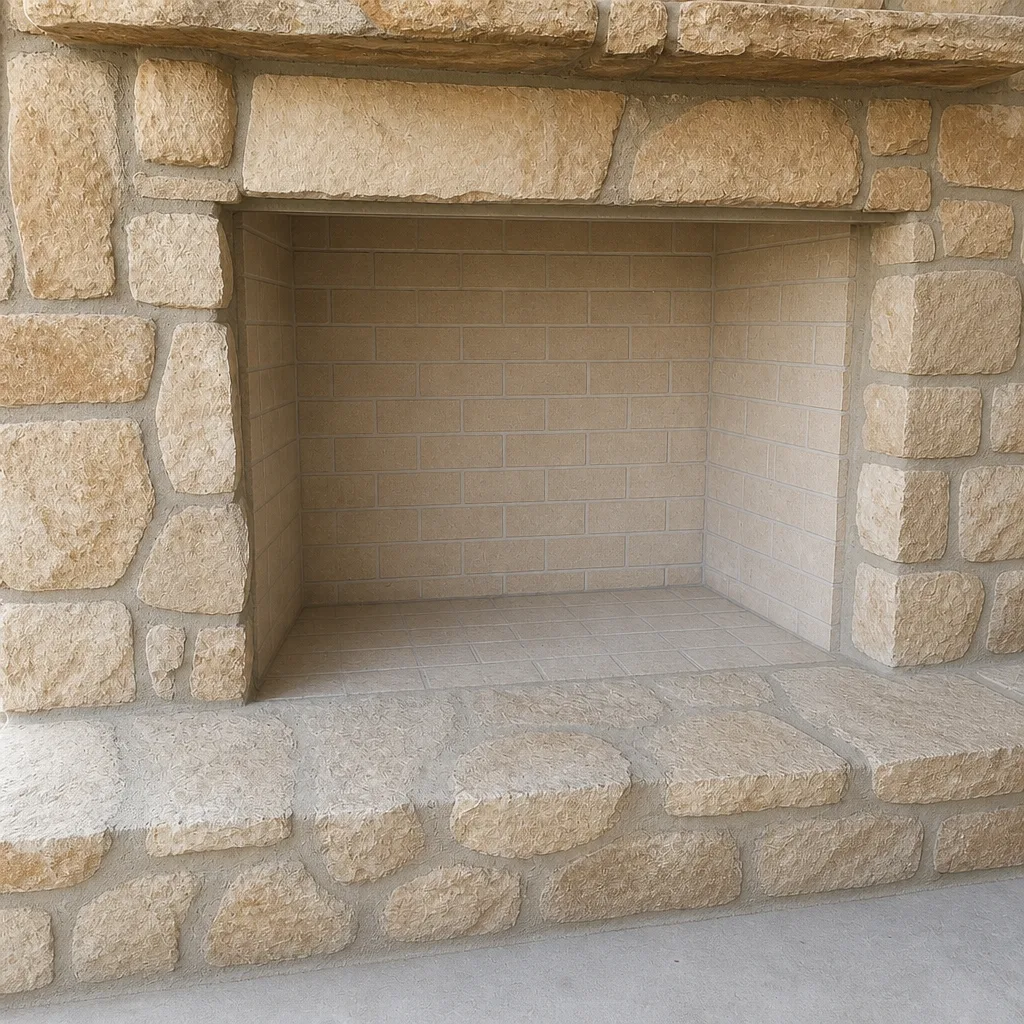
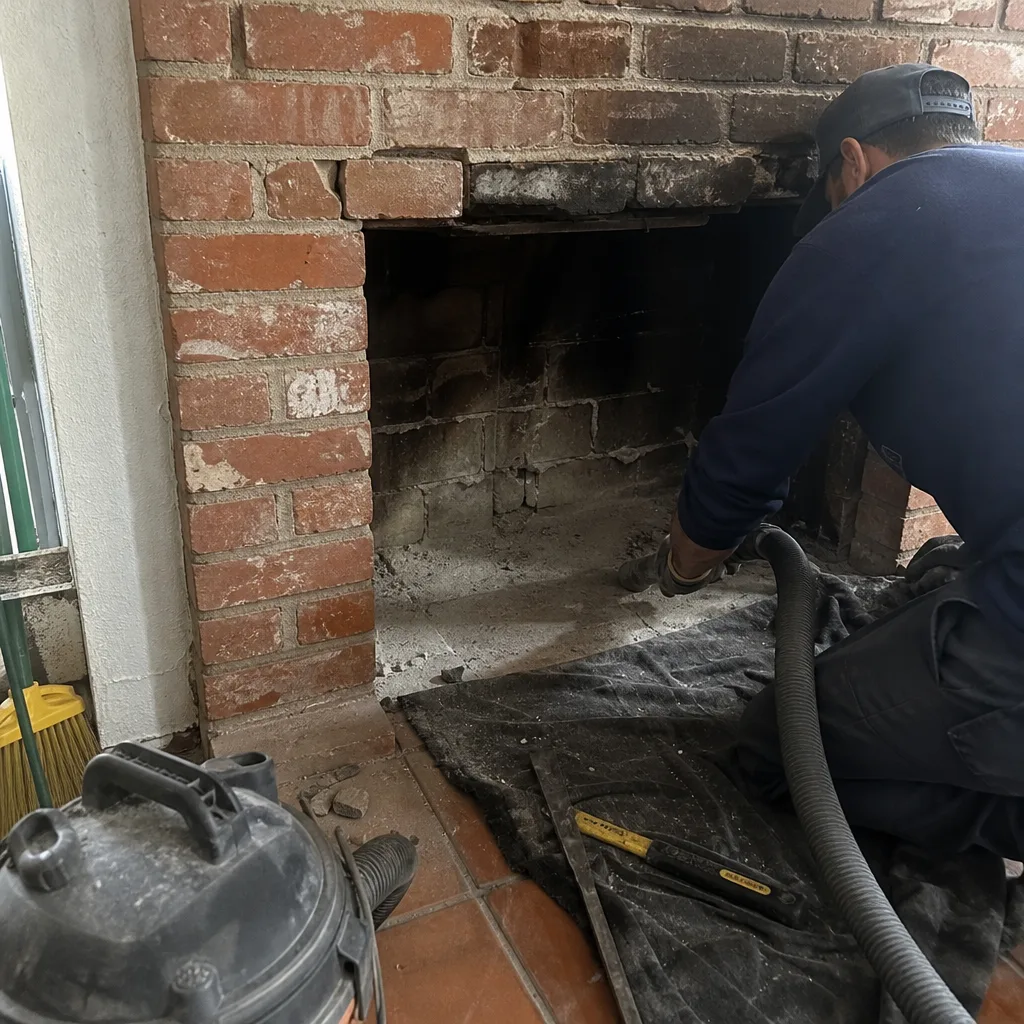
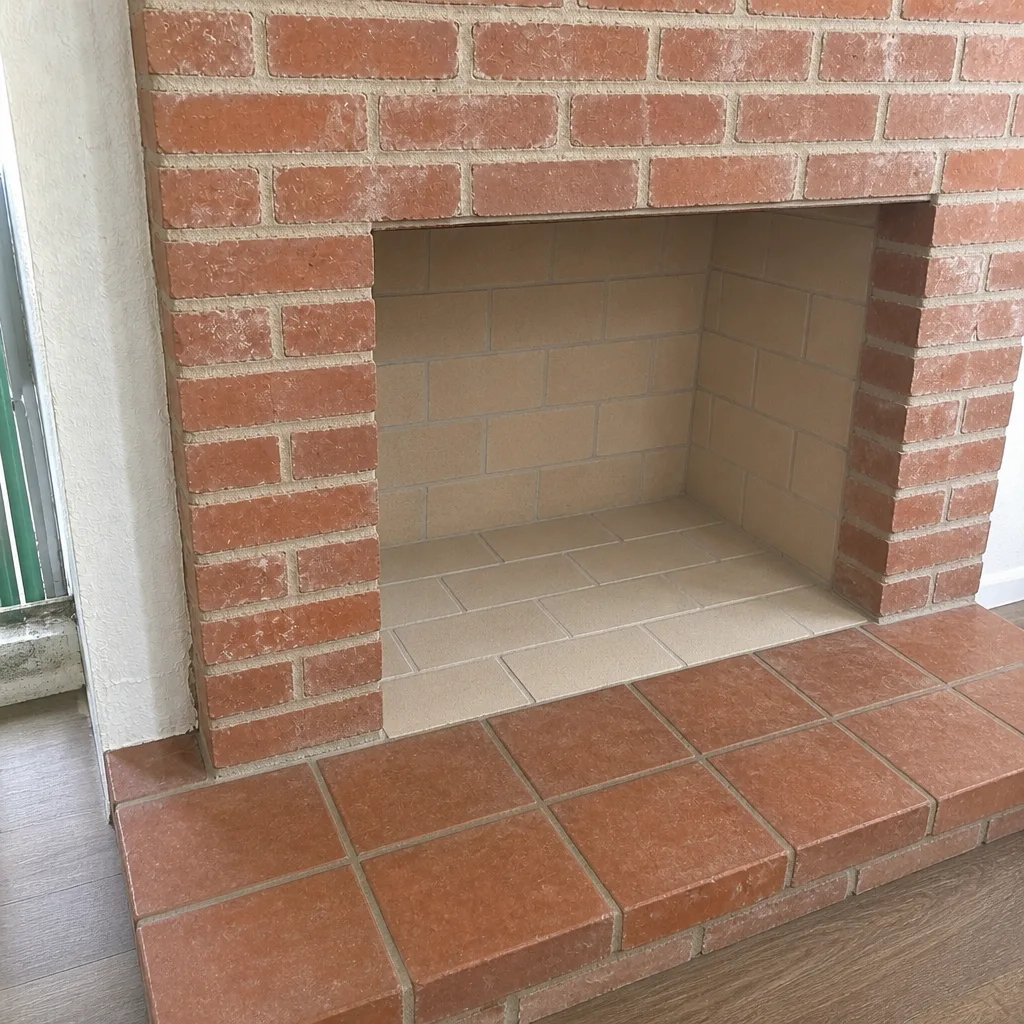
See the difference
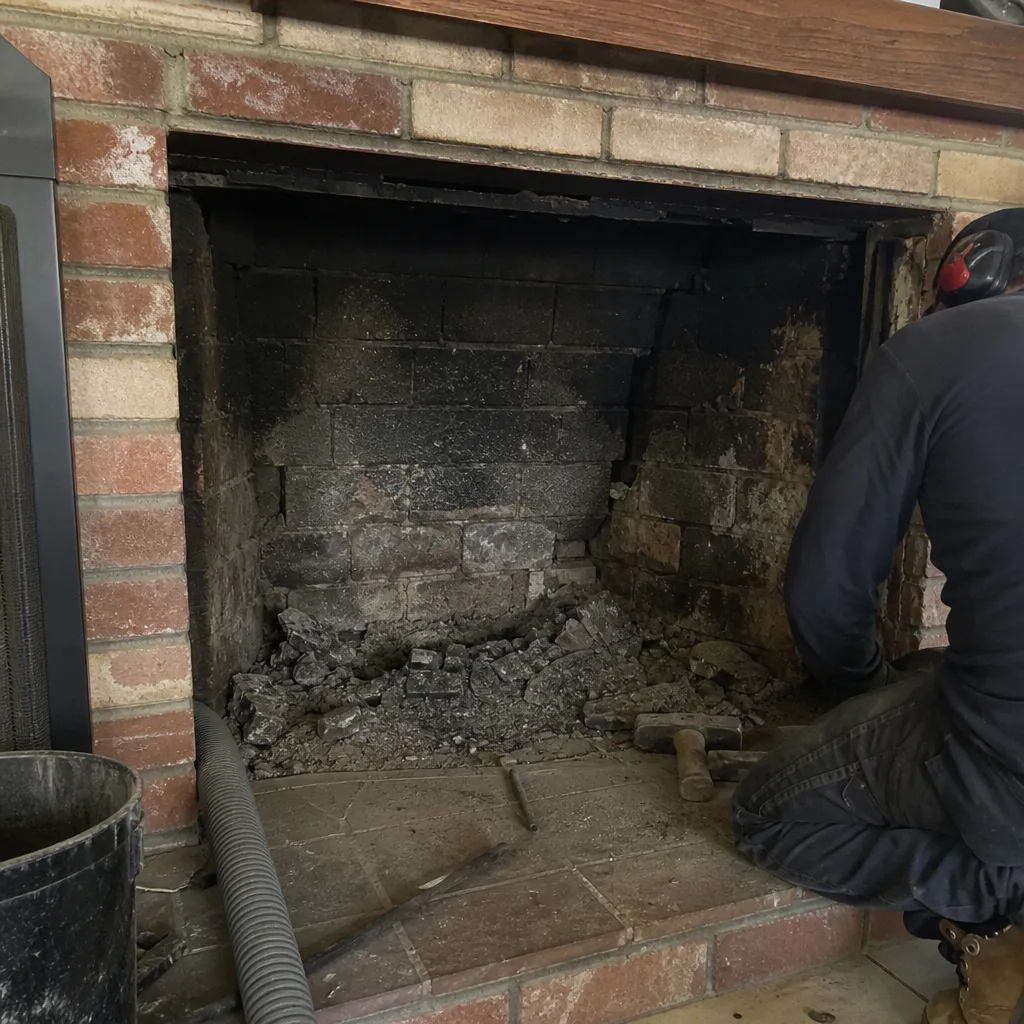 Before
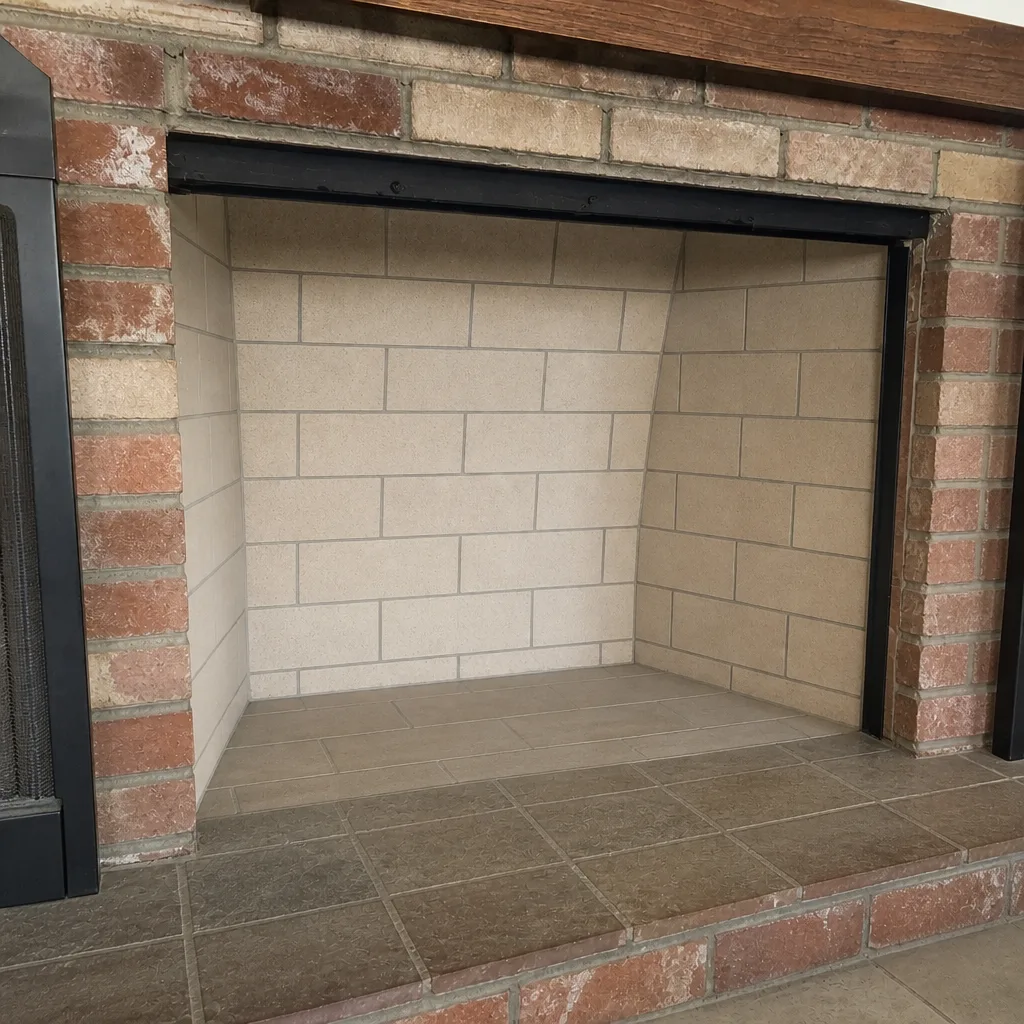 After
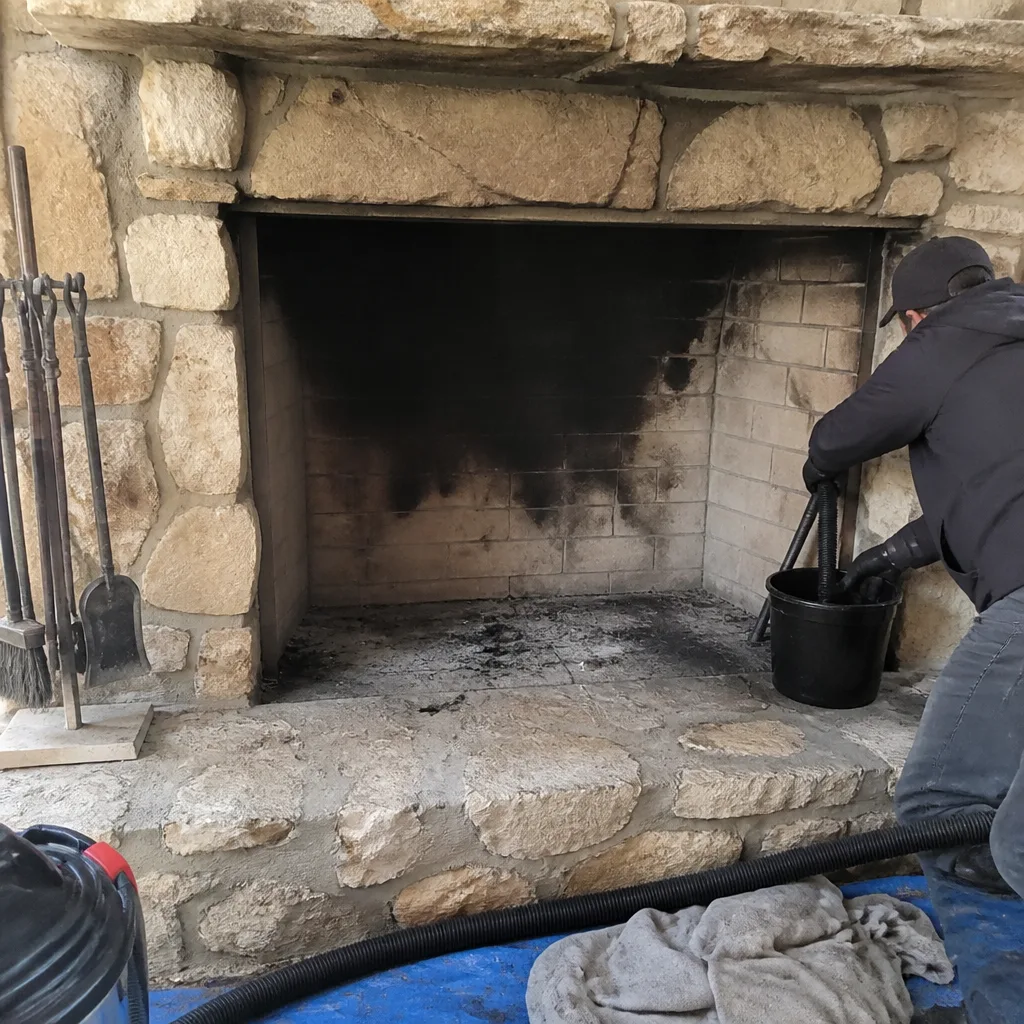 Before
 After
 Before
 After