
Last updated November 4, 2026
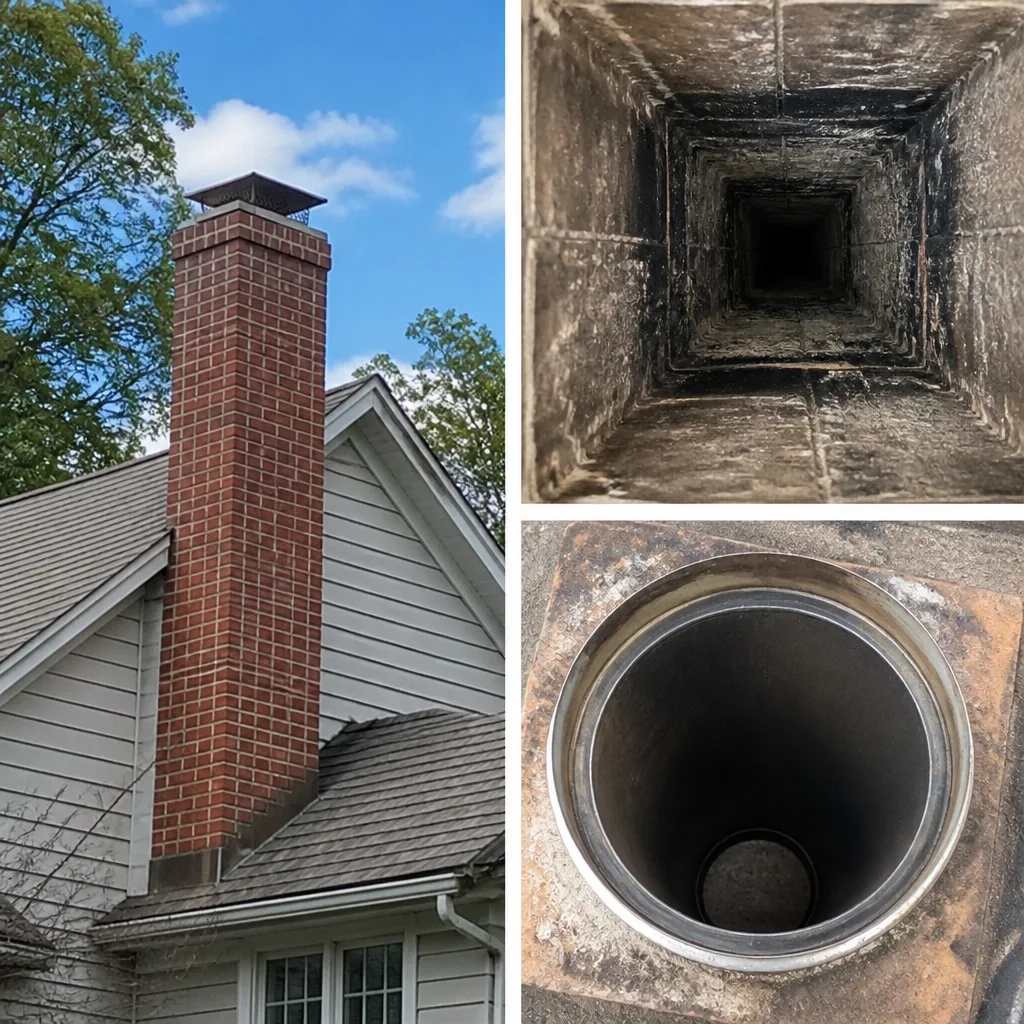 Sweep & inspection
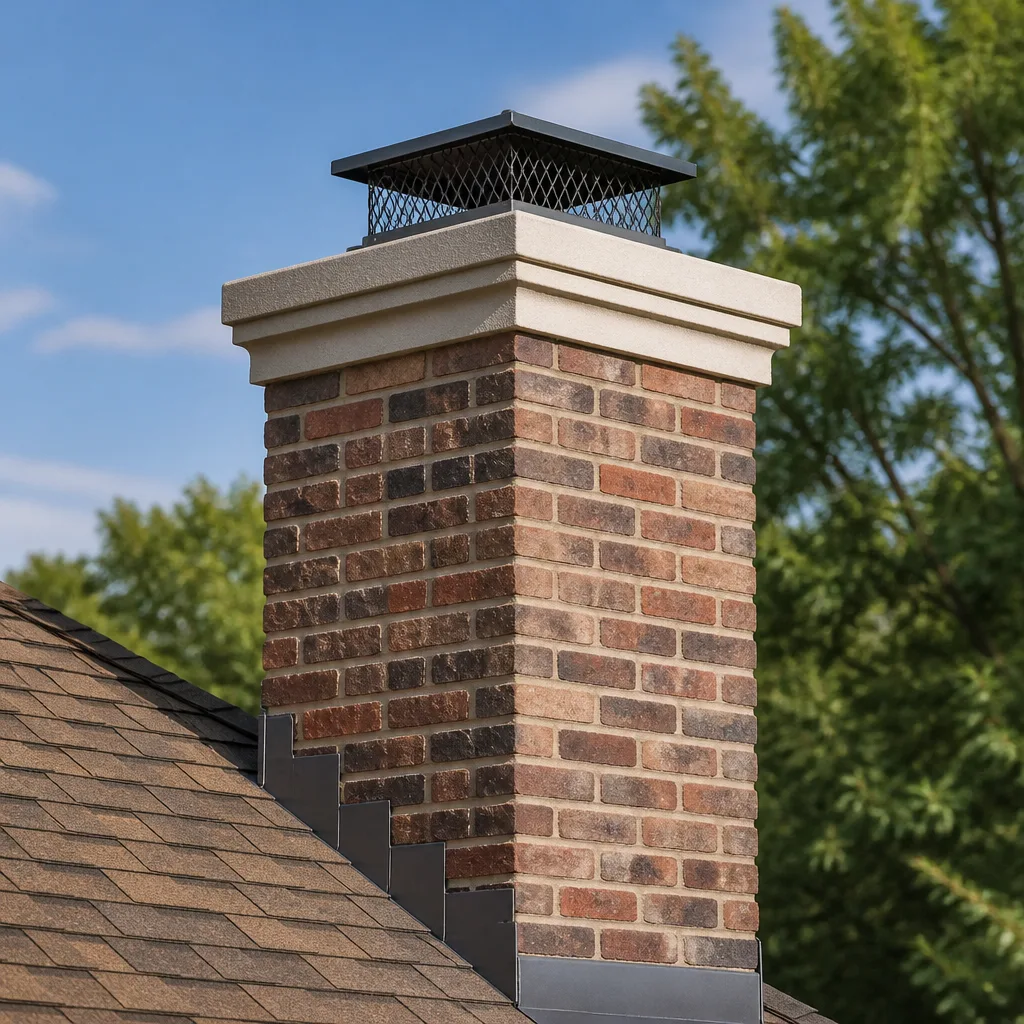 Caps & crowns
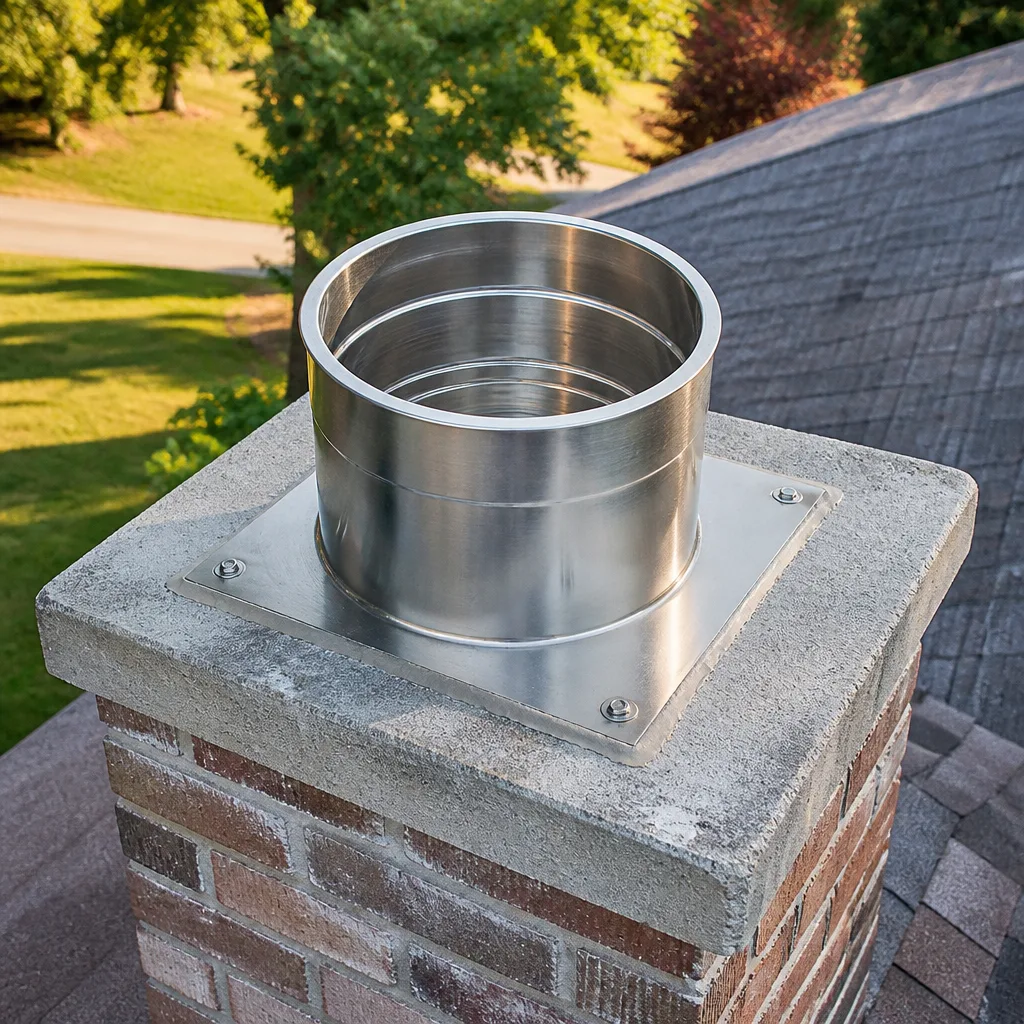 Flue relining
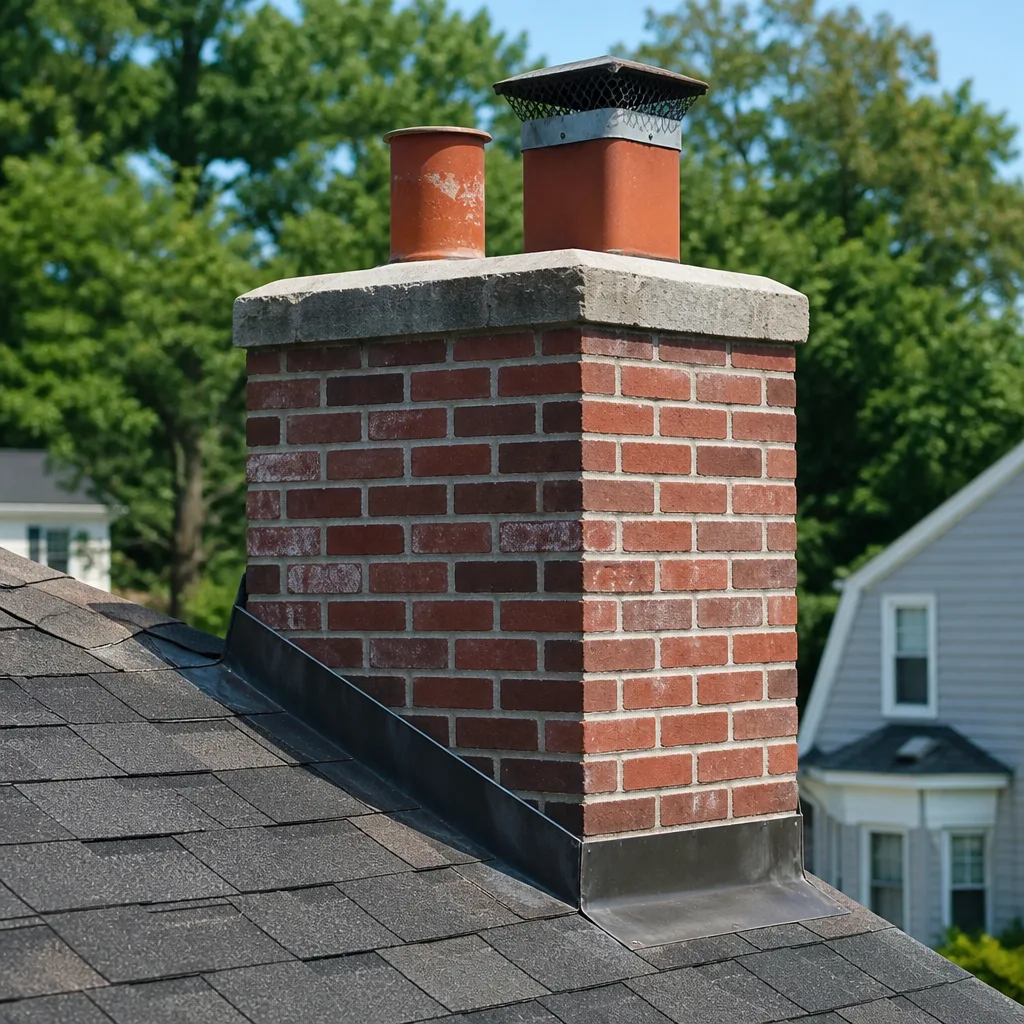 Masonry repair
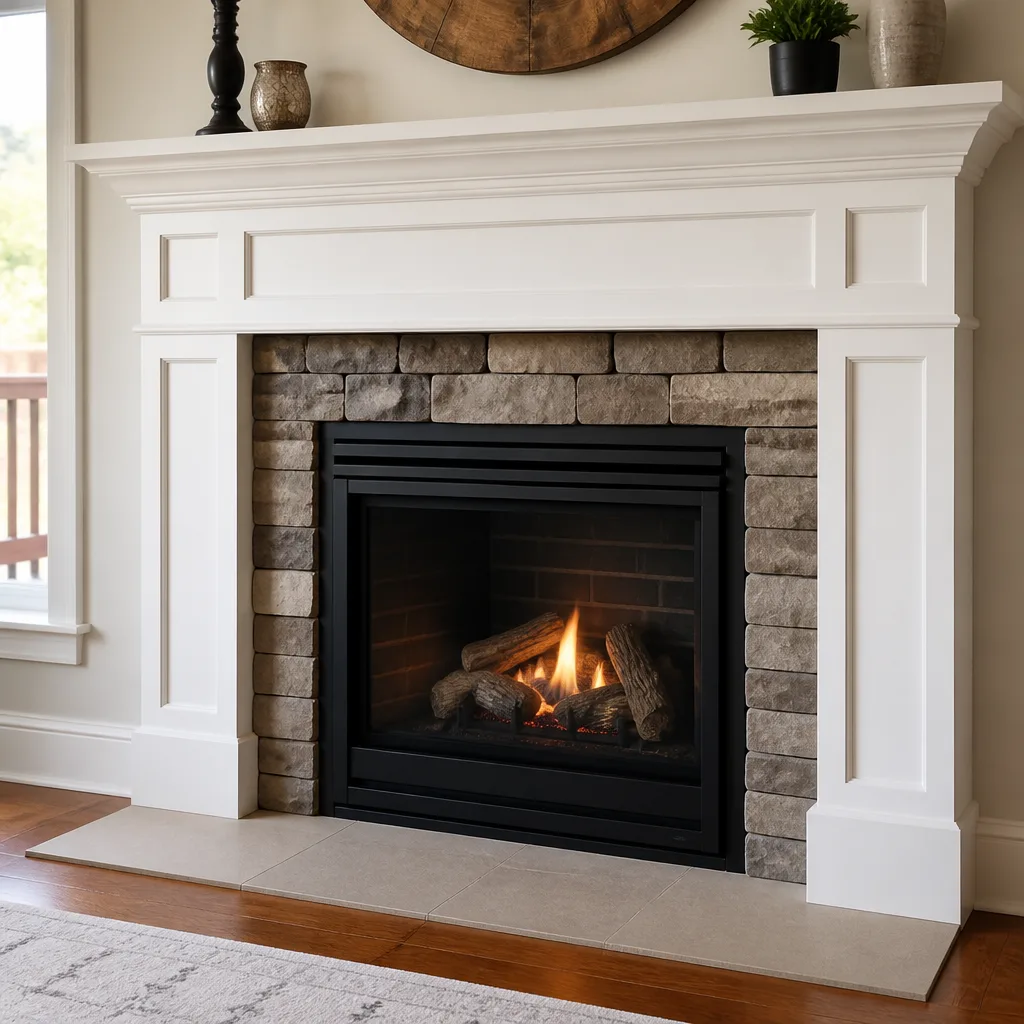 Gas fireplace service
Level 1 sweep and inspection to the NFPA 211 annual standard - flue, crown, cap, and flashing checked and photographed
Chimney sweep logs do not sweep chimneys. They loosen some creosote - which then falls where a brush and vacuum still have to collect it.
Chimney Cleaning Warning Signs: An Apple Valley Homeowner’s Reference Guide
Most chimney warning sign articles lead with the spectacular failures: flames climbing out of the flue, smoke billowing into the living room, a firebox cracked wide open. Those are real emergencies, but they’re the last chapter of a story that started months earlier. In Apple Valley, the story almost always begins with something quieter. A white mineral haze blooming on the exterior brick. A faint smell of cold campfire in August. A damper that no longer closes with that solid thunk it made last winter. This guide is about reading those early signals correctly, understanding what they mean in a high-desert climate, and knowing which ones require action now versus which ones can wait one more season.
Quick Answer
The earliest chimney cleaning warning signs in Apple Valley homes include white efflorescence staining on exterior masonry, a persistent creosote odor that lingers weeks after the last fire, smoke entering the room during startup (puffback), visible spalling or flaking brick faces, and a damper that seats poorly or operates stiffly. Any one of these deserves a professional inspection, because in Apple Valley’s thermal cycling environment, the gap between a manageable creosote cleaning and a structural repair is often measured in months, not years.
Styles & brands we work with
- Sweep & inspection
- Caps & crowns
- Flue relining
- Masonry repair
- Gas fireplace service
Table of Contents
- Efflorescence: The White Stain That Predicts Structural Trouble
- Puffback and Smoke Entry: Reading Apple Valley’s Wind Patterns
- Creosote Odor: Normal After a Fire vs. a Sign of Glazed Buildup
- Spalling Brick: Surface Flaking vs. Structural Face Loss
- Damper Seating Problems: Early Indicators of Heat Damage
- Other Warning Signs You Should Not Ignore
- How to Do a Basic Visual Inspection Yourself
- Common Mistakes to Avoid
- When to Call a Professional
- Frequently Asked Questions
Efflorescence: The White Stain That Predicts Structural Trouble
A white powder stain on your chimney’s exterior is not an aesthetic issue. It’s efflorescence, the visible evidence that water is migrating through your masonry and depositing dissolved salts on the surface. In Apple Valley, where summer daytime temperatures routinely climb into the 90s and 100s and nights drop sharply, that water expands and contracts inside the brick and mortar. Efflorescence is the first outward sign that this cycle is underway. It often precedes structural spalling by one or two seasons.
The placement of the stain matters diagnostically. A white haze concentrated near the top courses of brick suggests water entering through a cracked chimney crown or deteriorated mortar cap. Stains that streak down one side indicate a specific water path, often from flashing failure where the chimney meets the roofline. Banding that appears at multiple levels typically signals moisture wicking upward from the foundation, which is less common in Apple Valley’s dry soils but does occur after heavy winter rains saturate the ground.
This is not a stain you can simply scrub off and forget. Removing efflorescence without addressing the water entry point means the salts will return, and each cycle of wetting and drying pushes the masonry closer to visible flaking. A chimney sweep who works in Apple Valley regularly sees the progression: first the white haze, then surface flaking, then deeper structural loss that requires repair work.
What You Can Check Yourself
- Note where the stain appears and whether it grows after rain
- Feel the masonry surface for crumbling mortar or loose brick faces
- Look for staining on interior walls adjacent to the chimney
- Check the chimney crown for cracks or missing patches
If you’re seeing efflorescence for the first time, it’s the right moment to have the chimney’s water management evaluated. The crown, flashing, and cap are usually the culprits, and repairs at this stage cost dramatically less than rebuilding spalled masonry later.
Puffback and Smoke Entry: Reading Apple Valley’s Wind Patterns
Puffback is the term for smoke entering the room when you light a fire or when the fire is already burning. It’s different from a steady draft problem where smoke consistently enters. Puffback is intermittent: a small cloud of smoke, then it clears, then it happens again. In Apple Valley, where afternoon winds funnel through the Victor Valley with real force, puffback often gets blamed on weather. But wind is rarely the root cause, and dismissing it means missing an early indicator of creosote restriction or flue damage.
When a chimney is working correctly, the flue creates a predictable draft: warm air rises, carrying smoke with it. When creosote builds up on the flue walls, it narrows the passage. A narrowed passage means the draft weakens, and a gust of outside air can overcome it momentarily. That’s puffback. The same symptom appears when a flue liner has cracked or shifted, creating irregular surfaces that disrupt airflow. In Apple Valley homes with older unlined or clay-tile-lined chimneys, liner deterioration is a plausible underlying cause.
Weather in this area does make puffback more noticeable on windy days, but the wind is the trigger, not the cause. Think of it this way: a clean, correctly sized flue handles a typical Apple Valley breeze without trouble. A flue with fifteen years of creosote deposits, or a liner with a separation in the middle, does not. The wind exposes what was already failing.
What Puffback Tells You
- Creosote accumulation has reduced the effective flue diameter
- The flue liner may be cracked, warped, or improperly sized
- The chimney cap or damper may be partially blocked
- The firebox-to-flue transition may have debris or animal nesting
Repeated puffback is worth an inspection. It’s one of the chimney warning signs that shows up in Apple Valley homes seasonally, especially when the first fires of fall encounter whatever moved into the chimney during the quiet summer months.
Creosote Odor: Normal After a Fire vs. a Sign of Glazed Buildup
Creosote has a distinct smell: sharp, acrid, sometimes like burnt tar or asphalt. After a fire, it’s normal to notice some creosote odor in the room for a day or two, particularly when the weather is humid or when the damper was closed quickly after the last fire. What’s not normal is the smell of cold creosote weeks after your last fire, or a smell that intensifies during the summer when the air in Apple Valley is dry and hot.
That persistent off-season odor usually signals one of two things. The first is glazed, third-degree creosote: a hard, shiny, tar-like coating that forms when fires burn hot and the flue runs cool. It’s the most concentrated form of creosote, and it off-gasses continuously, especially when the sun heats the chimney exterior. The second possibility is an airflow problem that traps creosote vapors instead of venting them upward. A damper that doesn’t seat fully, or a cap that’s partially clogged, can push that smell down into the house on hot days.
Third-degree creosote is the most dangerous kind. It’s fuel-rich and burns at extremely high temperatures once ignited. Regular sweeping removes first and second degree creosote effectively. Third-degree glazed creosote often requires mechanical removal or chemical treatment, and in Apple Valley where dry summer heat bakes the flue between seasons, it hardens into a material that standard brushes struggle with.
How to Distinguish the Odors
- Fresh smoke smell right after a fire: normal, airs out in a day
- Cold campfire smell in a room the next morning: minor air leakage around damper
- Strong tar-like smell weeks after the last fire: third-degree creosote or blockage
- Smell that worsens on hot afternoons: heated creosote off-gassing downward into the home
If the smell persists in a cool house weeks after your last fire, it’s time to have the flue evaluated. A standard sweep confirms whether you’re dealing with normal accumulation or something that requires more aggressive cleaning.
Spalling Brick: Surface Flaking vs. Structural Face Loss
Spalling is the term for brick losing its surface. It begins as small flakes and chips, then progresses to larger pieces peeling away, then to full face loss where the interior of the brick is exposed. In Apple Valley, spalling on exterior chimneys tracks closely with the efflorescence patterns described earlier. Thermal cycling is the engine: hot afternoons, cold nights, clay brick expanding and contracting, and trapped water acting as a wedge with every temperature shift.
Early spalling looks like dust and small chips around the base of the chimney or on the ledge edges. Paint-grade surfaces hide it longer; exposed brick shows it sooner. The difference between surface flaking and structural face loss matters because it changes the repair scope entirely. Surface flaking can sometimes be addressed by tuckpointing the surrounding mortar, applying a breathable sealer, and correcting the water entry. Structural face loss means the brick itself has been compromised, and those units typically need replacement.
We use professional-grade materials for these repairs because a chimney in the high desert faces a different life than one in a coastal climate. Short, hot fires in winter alternating with long dry idle periods in summer put specific stress on masonry. A patch job done with the wrong product fails inside a season or two. Products like Gelco and Copperfield, which we work with regularly, are specified for concealed masonry repair and chimney components precisely because they hold up under thermal stress cycles like Apple Valley’s.
What Spalling Means for Your Home
- Water has entered the masonry and is actively compromising brick integrity
- The chimney’s structural envelope is weakening from the outside in
- Interior flue condition may also be affected if water has reached it
- Repair scope depends on how deep the damage goes, which requires inspection
Spalling never improves on its own. Once bricks start losing their faces, the process accelerates each season. It’s one of the clearest signals that the chimney needs professional attention now rather than later.
Damper Seating Problems: Early Indicators of Heat Damage
The damper is the movable plate inside the throat of the chimney that closes off the flue when the fireplace is not in use. It’s the most mechanically simple component in the whole system, and it’s also one of the first to show signs of trouble. When a damper becomes stiff to operate, fails to close fully, or develops gaps along its edges, it’s signaling that something has changed in the firebox environment.
Three common causes show up in Apple Valley homes. The first is heat warping: repeated exposure to hot fires, particularly fires that burn hotter than the fireplace was rated for, can deform the damper plate so it no longer matches its frame. The second is rust: moisture from rain entry or from high-humidity periods can corrode the damper hinges and frame, especially if the chimney lacks a proper cap. The third is creosote accumulation around the damper seat, which prevents full closure and acts as an insulation blanket that traps heat.
A damper that doesn’t seal completely lets conditioned air escape during summer and lets cold air drop into the room during winter. But the bigger issue is diagnostic: a warped or rusted damper indicates conditions that are also affecting the firebox and the lower flue. If heat is warping the damper plate, it’s also stressing the firebox refractory panels. If moisture is reaching the damper, it’s also reaching the upper flue and the smoke shelf.
What a Damper Check Looks Like
- With the fireplace cold, open and close the damper several times
- Look for visible gaps around the edges when closed
- Test the handle or chain for stiffness, grinding, or looseness
- Use a flashlight to inspect the damper plate surface for warping or rust
Damper replacement is a straightforward repair when caught early. When ignored, a failed damper accelerates every other problem in the chimney system. It’s the cheapest fix that prevents the expensive ones.
Other Warning Signs You Should Not Ignore
Beyond the five primary signs above, several other signals warrant attention in Apple Valley homes. None of them are subtle once you know what to look for.
Animal Activity
Scratching, chirping, or the flutter of wings from inside the chimney means a bird or animal has made a home there. Nesting material is flammable, and in the high desert, it dries out quickly and becomes tinder. A proper cap with the right screen opening prevents this. We work with Famco and Copperfield caps specifically because their screening tolerances keep out the species common to the Victor Valley while maintaining adequate draft.
Crumbling Mortar Joints
Run your finger along the horizontal mortar joints on the exterior chimney. If the mortar crumbles away under light pressure, or if you can see gaps where mortar used to be, the chimney’s outer shell is failing. Loose mortar lets water in, lets heat out, and in Apple Valley’s climate, it degrades fast during the summer heat-soak months.
White or Dark Stains on Interior Walls
Water staining on drywall adjacent to the chimney, on either floor, says the chimney is leaking somewhere between the roof and the firebox. In Apple Valley homes where the chimney is built on an exterior wall, the first sign may be discoloration in a bedroom on a lower floor, far from the roofline.
Chimney Cap Damage or Absence
A missing or damaged cap exposes the flue to rain, debris, and animals. In Apple Valley’s infrequent but intense winter rain events, an uncapped chimney funnels water directly into the flue, saturating creosote and accelerating masonry deterioration. This is among the easiest problems to correct and among the most commonly deferred.
Fireplace Performance Changes
A fire that’s harder to start, doesn’t burn as hot, or requires more wood than it used to for the same heat output often means a draft problem. Draft problems trace back to creosote restriction, liner damage, or cap blockage. None of these resolve on their own.
How to Do a Basic Visual Inspection Yourself
You can gather a lot of useful information about your chimney’s condition in twenty minutes of careful observation. This is not a substitute for a professional inspection, but it helps you know when to schedule one and what to tell the sweep about what you’re seeing.
Step One: Exterior Walkaround
Stand back and look at the entire chimney from ground level. Look for any change in brick color, any white staining, any missing mortar, and any lean or offset in the structure. Walk around the full perimeter of the house if the chimney is on an exterior wall. In Apple Valley’s bright sun, early morning or late afternoon light shows surface irregularities better than midday glare.
Step Two: Flashing Check
At the roofline, look for gaps, rust, or lifted edges where the chimney flash meets the shingles and the masonry. This is the most common water entry point in any chimney, and in Apple Valley where rain comes in short hard bursts, a failed flashing joint moves a lot of water fast.
Step Three: Interior Firebox Inspection
With a flashlight, look inside the firebox. Check the refractory panels at the back and sides for cracks or gaps. Look at the smoke shelf, the flat area above the damper opening, using a mirror if needed. Check for dark shiny deposits, which indicate glazed creosote, or loose debris, which may indicate animal activity.
Step Four: Damper Operation
Open and close the damper several times. It should move smoothly and seat firmly. Note any stiffness, any visible gaps, and any rust on the plate or frame.
Step Five: Roof-Level Look (If Safe)
Only do this if you have a safe ladder and comfortable access to your roof. If not, skip this step and ask the sweep to document it. From the roof, check the crown for cracks, the flue tile for spalling or offset, and the cap for damage or blockage.
Record what you find with phone photos. They help the sweep understand what’s changed since the last inspection, and they give you a baseline for future comparisons. If we come out for a chimney sweep or inspection, a camera inspection and photo report is standard equipment, and those images clarify exactly what we’re seeing inside the flue.
Common Mistakes to Avoid
- Burning green or unseasoned wood. Apple Valley’s dry air helps wood cure, but only if it’s split and stacked properly. Green wood throws off cooler smoke that condenses in the flue as creosote faster than seasoned wood does.
- Closing the damper too soon after a fire. Shutting the damper while embers still burn traps smoke and heat in the firebox, promoting creosote condensation on the cooler upper flue surfaces. Wait until the fire is fully out and the embers are cold.
- Ignoring efflorescence because it’s “just a stain.” Efflorescence is the earliest reliable water entry signal in Apple Valley masonry chimneys. Treating it as cosmetic delays the repair until spalling begins, at which point the scope and cost increase substantially.
- Burning paper or cardboard as a fire starter. High, fast flames carry burning particles into the flue where they stick to creosote deposits. Use kindling or purpose-made fire starters instead.
- Assuming a yearly sweep is unnecessary because you only burn a dozen fires a season. Light-burning Apple Valley homes can still accumulate creosote, and the long idle summer season allows whatever deposited to harden into a more stubborn form.
- Skipping a cap replacement because the old one “still looks okay from the ground.” Cap damage is rarely visible from below. A rusted-through screen or a bent frame is doing no one any good, and the repair is inexpensive relative to the damage an uncapped flue allows.
- Using a general handyman for chimney work. Chimney repair is specialized. The products and installation methods are not interchangeable with generic masonry work. A repair done with the wrong material in Apple Valley’s heat cycle fails within a season.
When to Call a Professional
Any of the warning signs in this guide is sufficient reason to schedule an inspection. Practice safe observation: some are more urgent than others. Efflorescence that’s new or spreading, puffback during routine fires, persistent off-season creosote odor, visible spalling with brick loss, and a damper that no longer seats are all reasons to call sooner rather than later. A chimney fire, even a small one that burns itself out, requires a professional evaluation before the chimney is used again, because chimney fires damage liners and mortar in ways that are invisible from the outside. Chimney Sweep Apple Valley offers free estimates in Apple Valley, and we answer 24/7 at (833) 901-6532. Fast dispatch from 7am to 7pm, Sunday through Friday. We work with HeatShield for flue resurfacing, DuraFlex for stainless liner installation, and Olympia Chimney for liner components, so our repair options cover the full range from resurfacing a cracked liner to full relining, and our dryer vent cleaning service covers the fire-safety task many chimney companies skip.
Frequently Asked Questions
The National Fire Protection Association standard, echoed by most local sweeps in Apple Valley, says chimneys should be inspected at least once a year and cleaned whenever creosote accumulation reaches one-eighth inch. For a typical wood-burning Apple Valley home that fires up regularly from November through February, that usually means one cleaning per season. Homes that burn occasionally may stretch to eighteen months, but the inspection should still be annual. Call (833) 901-6532 and we can assess your specific usage pattern and recommend a schedule.
A standard chimney sweep in Apple Valley typically runs from $150 to $300 depending on flue height, creosote degree, and accessibility. A cleaning that includes glazed creosote removal, animal nest removal, or a level-two camera inspection will run higher, and the written estimate is the only price that matters. We quote a flat price before booking, so there are no surprises on service day.
You need a liner repair or replacement when the existing liner is cracked, separated, or missing sections, and the only way to know is to see it. We never recommend liner work without camera evidence you can review yourself. Resurfacing options like HeatShield address cracked clay tile liners without the full cost and tearout of complete relining, and when full relining is required, DuraFlex and Olympia Chimney systems are what we specify. The camera images are yours to keep, and we walk through what they show before any repair is discussed.
Creosote accumulates, and in Apple Valley’s hot dry summers, it hardens and glazes. The flue passage narrows, draft weakens, and the risk of a chimney fire climbs with every fire you light. A chimney fire can crack the liner, melt the chimney cap, and in some cases ignite the roof structure. The annual sweep is cheap insurance against a multi-thousand-dollar rebuild.
The staining itself is not an immediate fire hazard, but it’s a reliable signal that water is entering the masonry, and in Apple Valley’s thermal cycling climate, water plus temperature swings equals progressive brick spalling. Have the stain evaluated, find the water entry point, and correct it before the masonry starts losing structure.
Apple Valley’s afternoon winds are real and can be strong, especially in the spring and fall. But wind triggers smoke problems in flues that already have draft restrictions: creosote buildup, cap blockages, or liner damage. A clean, sound flue handles typical Victor Valley gusts without issue. If your fireplace smokes on windy days, the wind is exposing a condition that needs attention.
The Bottom Line
Chimney warning signs in Apple Valley follow a clear pattern, and the beauty of paying attention is that you can intervene early at every stage. Efflorescence comes before spalling. Damper stiffness comes before damper failure. Cold creosote odor comes before visible glazed buildup. Puffback comes before a full smoke backup. None of this is mysterious. It’s observable, and it’s correctable when caught in time. The annual inspection is the keystone habit that catches everything else, and in a community where winter fires are a genuine pleasure and a real responsibility, staying ahead of the signals is the difference between a simple sweep and a major rebuild. Chimney Sweep Apple Valley serves Apple Valley with inspections, cleanings, repairs, and dryer vent service under one roof. Call (833) 901-6532 for your free estimate. We answer 24/7. Fast dispatch from 7am to 7pm, Sunday through Friday.
Written by the team at Chimney Sweep Apple Valley, serving Apple Valley since 2018.
See the difference
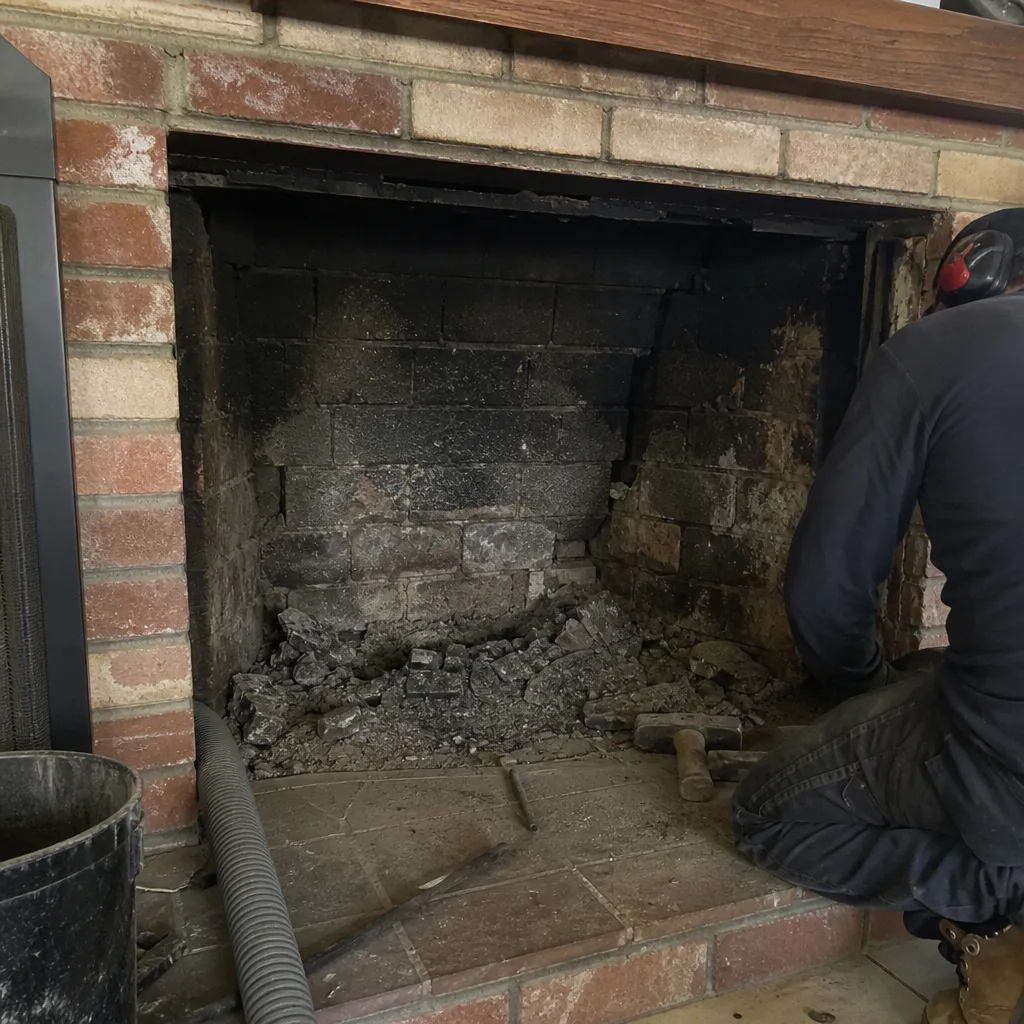 Before
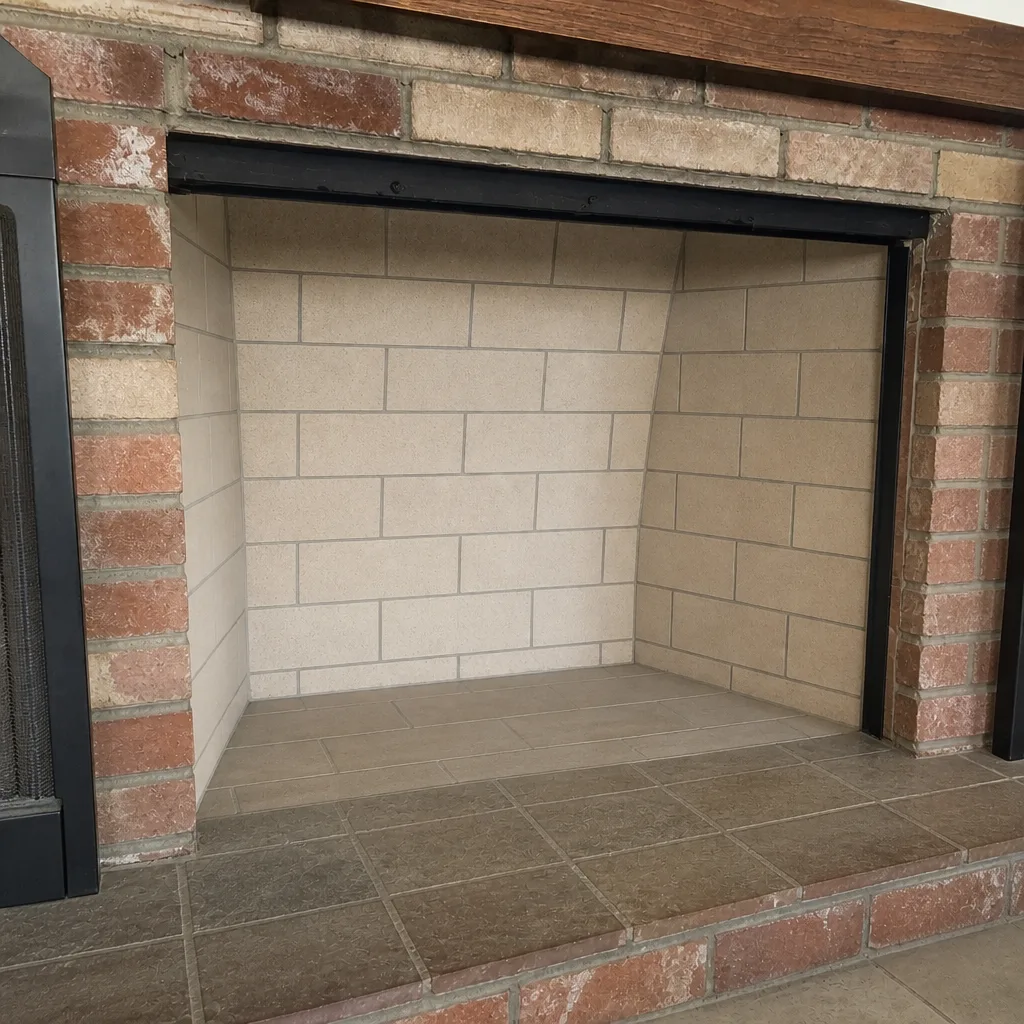 After
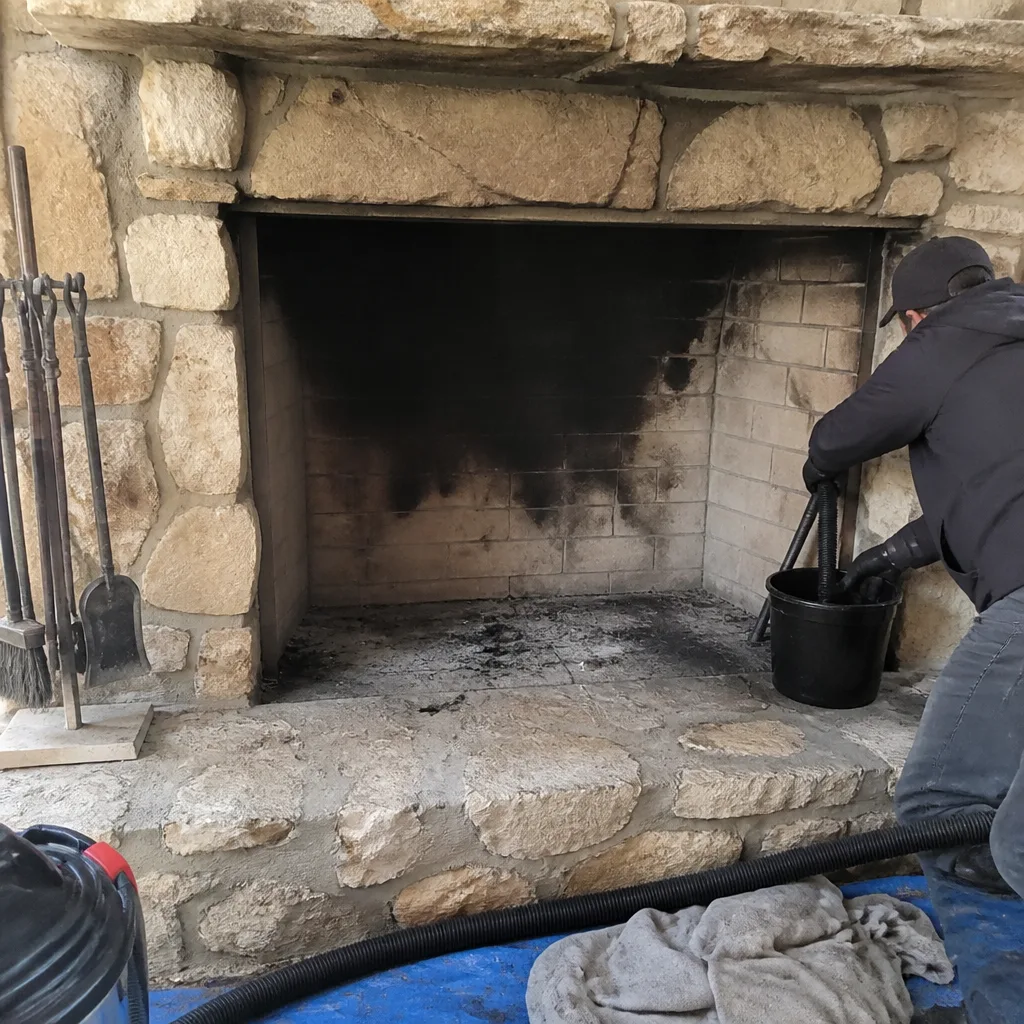 Before
 After
 Before
 After