
Last updated November 4, 2026
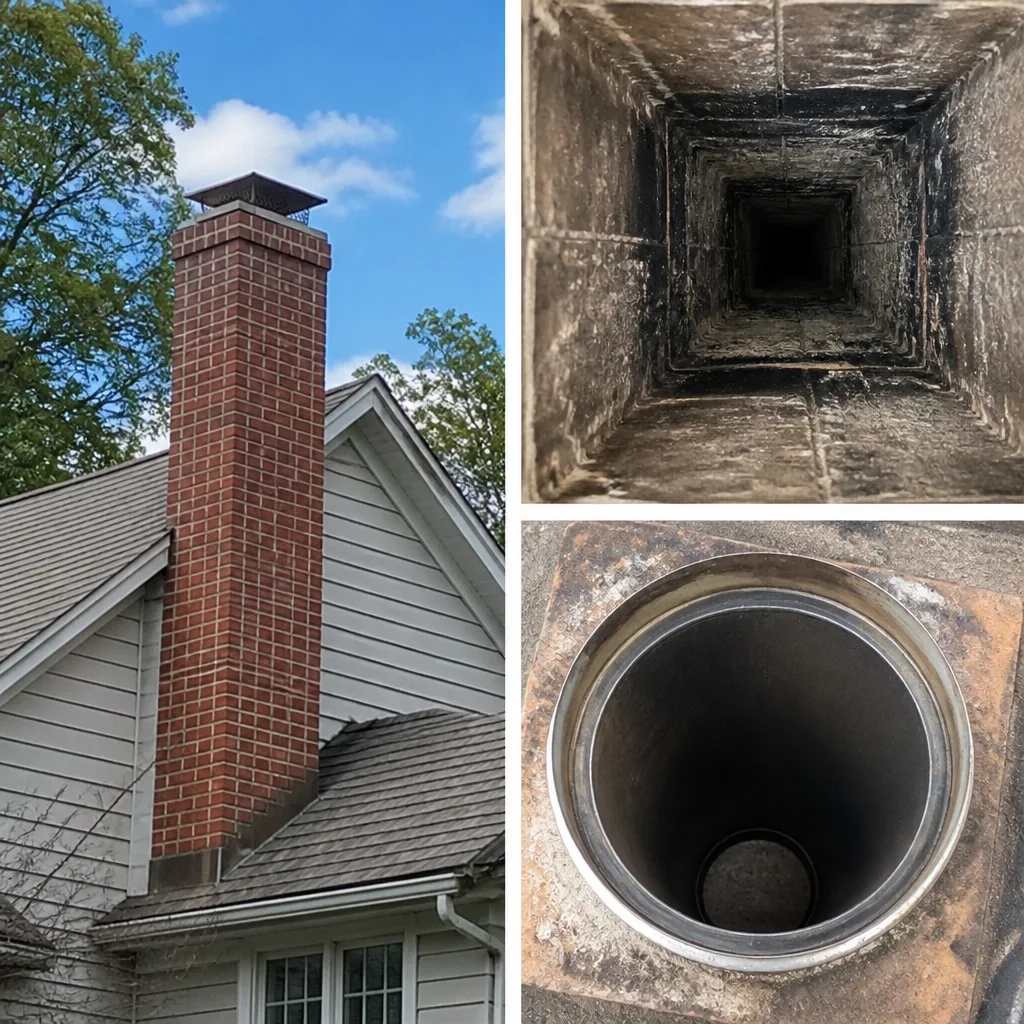 Sweep & inspection
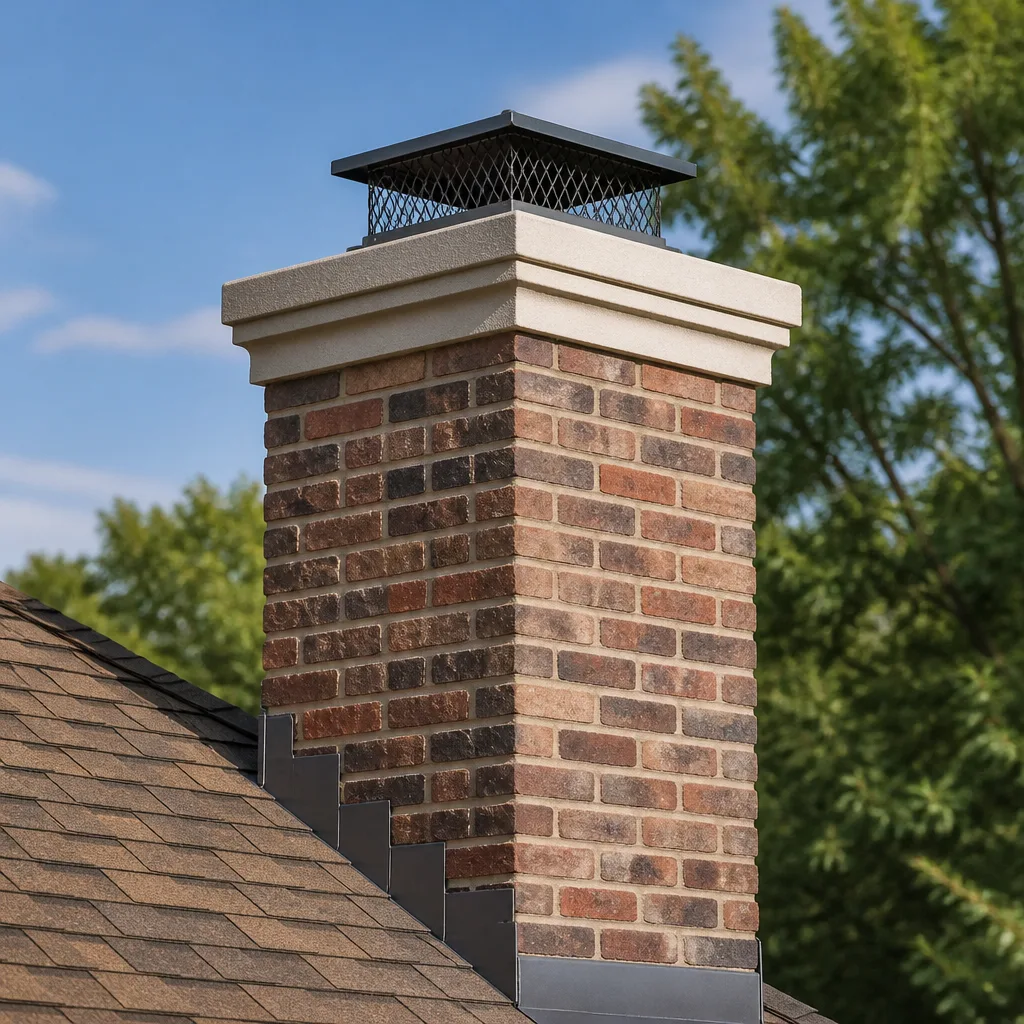 Caps & crowns
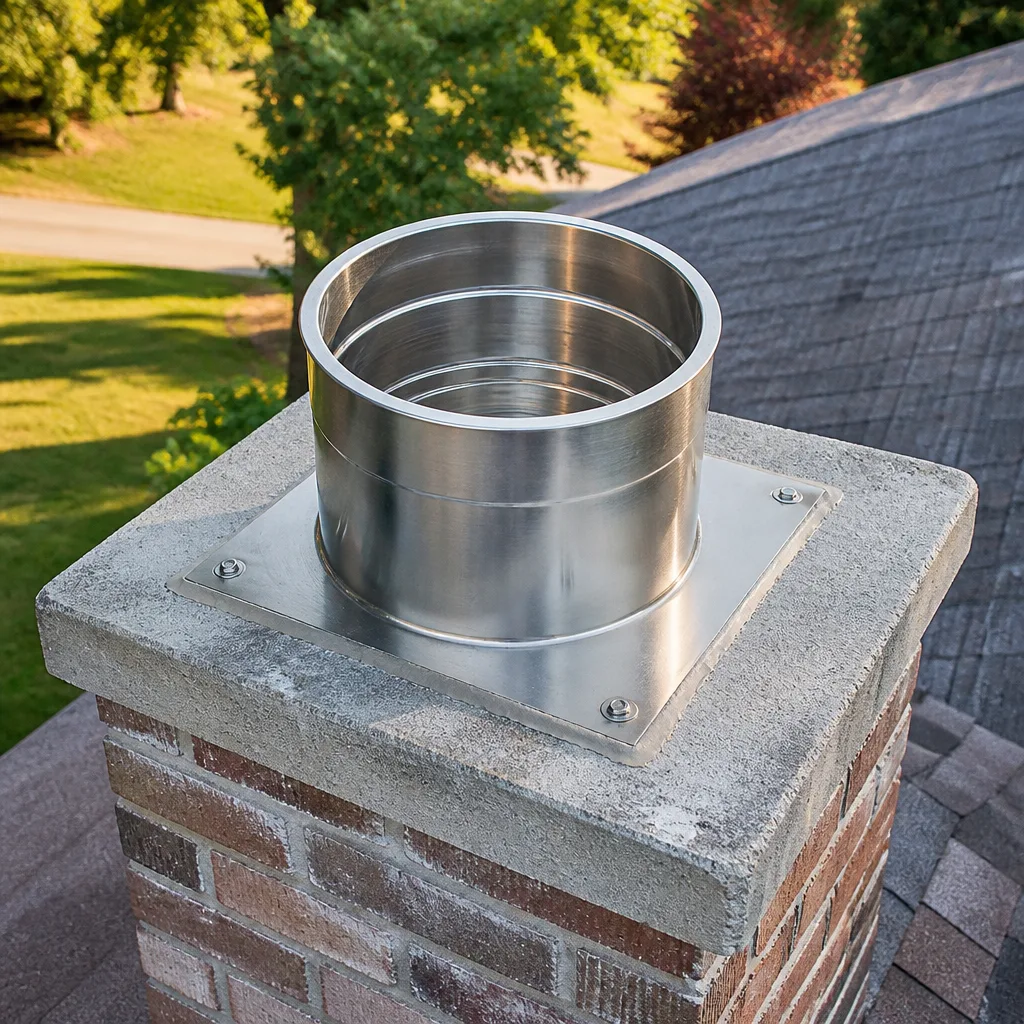 Flue relining
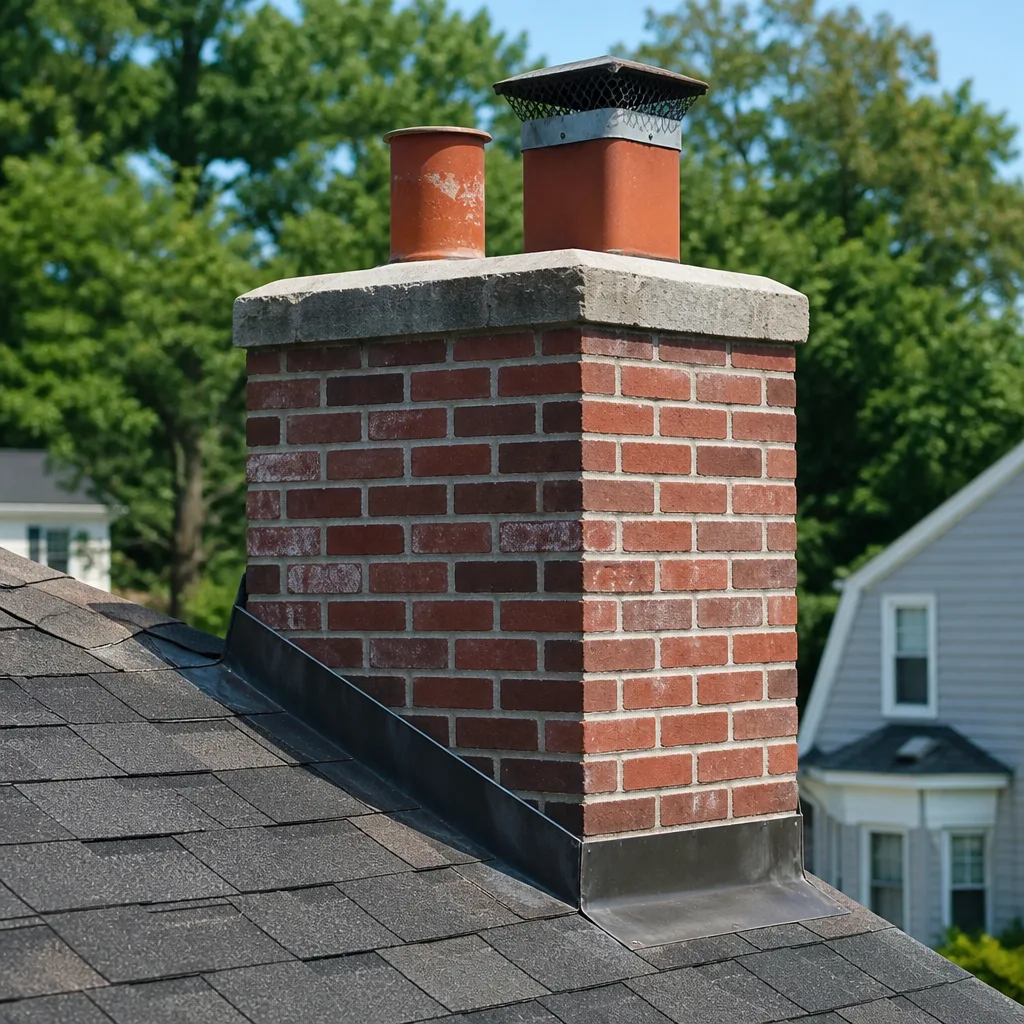 Masonry repair
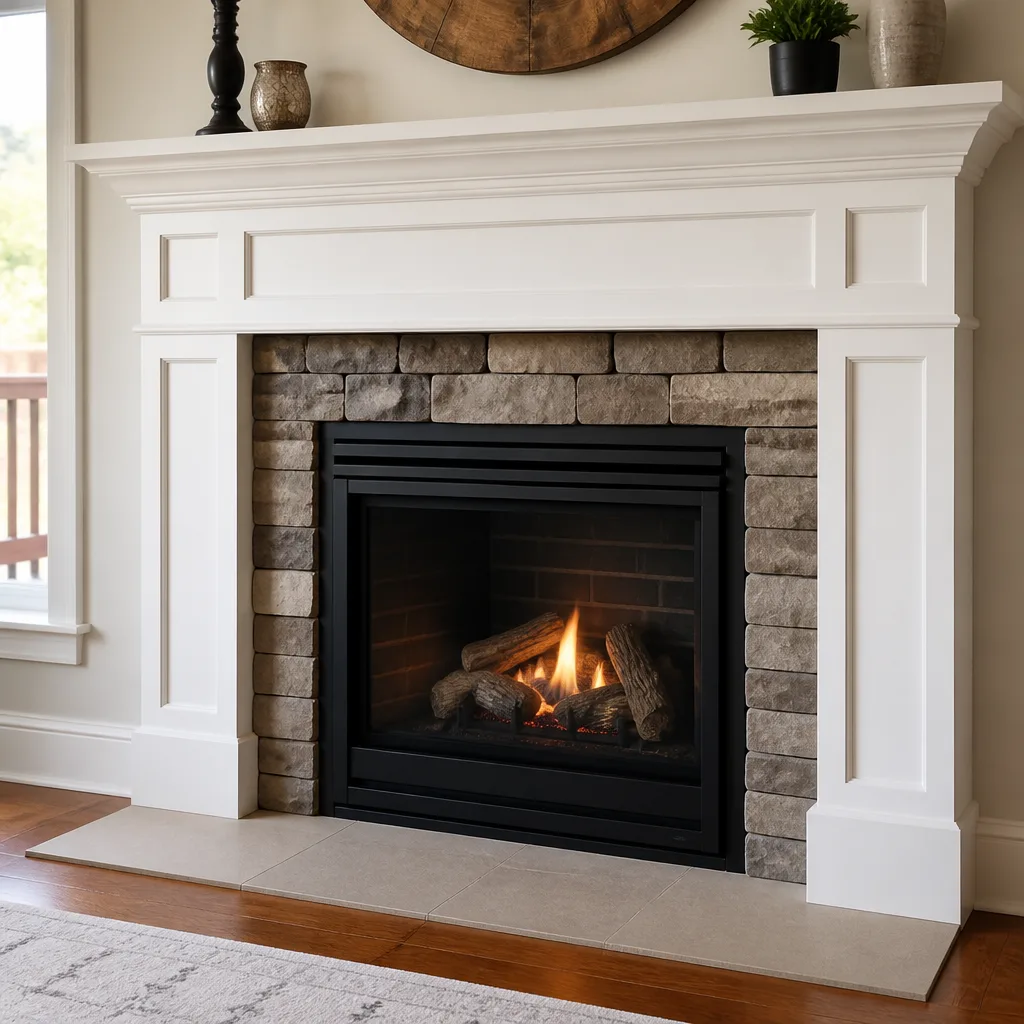 Gas fireplace service
Level 1 sweep and inspection to the NFPA 211 annual standard - flue, crown, cap, and flashing checked and photographed
Chimney sweep logs do not sweep chimneys. They loosen some creosote - which then falls where a brush and vacuum still have to collect it.
Chimney Cleaning Emergency Preparedness Guide for Apple Valley Homes
Most Apple Valley homeowners think chimney emergencies start with flames shooting out the top. The truth is more complicated, and more dangerous. This guide covers two distinct emergency scenarios that get almost no attention in standard homeowner checklists: a chimney fire that starts while your fire is burning, and a wildfire ember event that enters through a damaged cap or spark arrestor screen. You’ll learn the exact 60-second response sequence, what California fire code actually requires for spark arrestor mesh, why closing the damper during a fire is debated among professionals, and what your insurance carrier will ask for after any chimney incident. If you own a fireplace or wood stove in Apple Valley, this is the preparedness information you haven’t been given.
Quick Answer
Chimney emergency preparedness for Apple Valley homes means two things: knowing how to respond to an active chimney fire in the first 60 seconds (close the appliance air intake, call 911, evacuate, never close the damper unless the fire is out and the flue has cooled), and verifying your chimney cap’s spark arrestor screen meets California’s 3/8-inch to 5/8-inch mesh requirement before wildfire season. After any flue fire, even a small one, a Level 2 camera inspection is mandatory before using the fireplace again. Document your chimney’s condition each fall with dated photos and service records for insurance purposes.
Styles & brands we work with
- Sweep & inspection
- Caps & crowns
- Flue relining
- Masonry repair
- Gas fireplace service
Table of Contents
- How to Identify an Active Chimney Fire in the First 60 Seconds
- The First 60 Seconds: Exact Response Sequence
- Closing the Damper During a Chimney Fire: The Professional Debate
- Spark Arrestor Screen Requirements: California Fire Code and Apple Valley Enforcement
- Wildfire Ember Events: How a Damaged Cap Becomes an Entry Point
- Post-Fire Protocol: Why a Level 2 Camera Inspection Is Mandatory
- Documenting Chimney Condition for Insurance: What San Bernardino County Carriers Ask For
- Pre-Season Preparation Checklist for Apple Valley Homeowners
How to Identify an Active Chimney Fire in the First 60 Seconds
A chimney fire doesn’t always look like a chimney fire. In our experience working on chimneys across Apple Valley, homeowners often describe the same three indicators: a sound, a smell, and a visual distortion. The sound is the most reliable. An active flue fire produces a low, rumbling roar that one homeowner compared to a freight train passing close by, sometimes with popping or cracking layered underneath. It’s not the gentle crackle of burning wood. It’s continuous and mechanical-sounding, and it may be loud enough to hear from outside the house.
The smell is acrid and intense. Burning creosote does not smell like a campfire. It has a sharp, chemical edge some people compare to hot tar or burning plastic. If you’re already sitting by the fire, your nose may be conditioned to woodsmoke, so step into the hallway or outside for a moment and breathe normally. The difference is unmistakable. The visual indicator is heat distortion, or what looks like shimmering air rising from the chimney top. In daylight you may see dark smoke that seems too dense for the size of the fire. At night, watch for glowing embers exiting the cap or flames visible at the top of the flue. If the chimney exterior is warm or hot to the touch on the interior wall, the fire has already spread beyond the flue lining. That’s not a warning sign. That’s a structural emergency.
Creosote buildup is the fuel. Every wood fire produces creosote, and the rate of accumulation depends on burn temperature, wood moisture, and how often the flue gets cleaned. Apple Valley’s dry climate means seasoned wood is easier to keep dry, but it also means homeowners sometimes burn softer woods that produce more particulate. A chimney sweep can tell you within minutes how much creosote has accumulated and whether it’s at the dangerous stage three glazed form, which resists brushing and requires chemical treatment or mechanical removal.
The First 60 Seconds: Exact Response Sequence
Four actions, in order, each with a reason. Memorize these the way you memorize where your gas shutoff is. In an emergency, you won’t have time to pull up this guide.
- Close the appliance air intake. On a wood stove, this is the primary air control. On a fireplace, close the glass doors if you have them. You’re cutting oxygen to the fire. Do not close the damper yet. The damper sits above the firebox, and closing it can trap hot gases and accelerate the fire inside the flue. We cover the damper debate in detail below.
- Call 911 from inside the house. A chimney fire can breach the flue and spread into the attic or wall cavities within minutes. Firefighters in Apple Valley respond to chimney fire calls regularly during burning season, and they would rather arrive early to a contained flue fire than late to a structural fire.
- Evacuate everyone, including pets. Move to the front yard or across the street. Do not try to fight the fire with a fire extinguisher or water. Water on a hot flue can crack the liner, and a home extinguisher cannot reach fire inside the chimney.
- Close the damper only if the fire is fully out and the flue has cooled. This usually means waiting for the fire department to arrive and advise. Closing the damper while the internal flue temperature is still high traps heat and gases inside the chimney. Let the professionals assess.
After the fire is out, do not use the fireplace again. Not once. Not for a quick test fire. The chimney must be inspected by a qualified professional with a camera system before any further use, even if the fire appeared minor. We cover what that inspection involves and why it’s mandatory later in this guide.
Closing the Damper During a Chimney Fire: The Professional Debate
If you search for chimney fire advice online, you’ll find two schools of thought. Some sources say to close the damper immediately to starve the fire of oxygen. Others say never to close it because the damper can warp from the heat and trap dangerous gases inside the home. Both positions are an oversimplification.
The Chimney Safety Institute of America (CSIA) and NFPA 211, the standard for chimneys and fireplaces, focus on reducing air supply to the fire itself, which means closing the appliance air intake rather than the damper. The damper is designed to seal the firebox when the fireplace is not in use. It is not designed to withstand the temperatures of a fully developed flue fire, which can exceed 2,000 degrees Fahrenheit. A cast iron or steel damper can warp at that temperature, and if it warps shut, you’ve just trapped superheated gases behind it. If it warps partially open, it may not seal properly afterward and will need replacement.
There are scenarios where closing the damper is the right call. If the fire has burned itself out and the flue temperature has dropped significantly, closing the damper stops cold air from entering and re-igniting any remaining creosote. But that’s a judgment call best left to firefighters on scene or a trained chimneysweep after assessment. The takeaway for Apple Valley homeowners: in the first 60 seconds, cut the air at the fire source and get everyone out. Don’t touch the damper until the situation is under control, and even then, let the professionals decide. We stock Chimney Sweep Apple Valley trucks with replacement dampers from Copperfield and Famco, because damper replacement after a flue fire is one of the most common repairs we perform. A warped damper isn’t a cosmetic issue, it’s a performance and safety failure.
Spark Arrestor Screen Requirements: California Fire Code and Apple Valley Enforcement
California Fire Code Chapter 3, Section 304, covers chimneys and solid fuel burning appliances. The requirement that matters for Apple Valley homeowners is the spark arrestor screen. Every chimney serving a solid fuel appliance must have a spark arrestor with mesh openings between 3/8 inch and 5/8 inch. That range is not arbitrary. Openings larger than 5/8 inch allow embers and burning material to escape. Openings smaller than 3/8 inch clog more quickly with creosote, which reduces draft and creates a fire hazard of its own.
Apple Valley sits in a High Fire Hazard Severity Zone, which means local enforcement takes this requirement seriously. If a home inspector or fire marshal finds a missing or damaged spark arrestor screen, the remedy is usually a correction notice with a compliance deadline. If the home is being sold, the issue may need to be resolved before closing. If the home is being insured or re-insured in a high hazard zone, the carrier may require photo documentation of a compliant cap before issuing or renewing the policy.
Checking your spark arrestor is a roof-access task. If you’re comfortable on a ladder and your roof pitch is walkable, you can visually inspect the cap for rusted sections, gaps at the seams, and mesh that’s dented or torn. If you’re not comfortable on a ladder, or if your roof is steep enough that you’d rather not test your balance, a professional inspection is the safer route. We inspect spark arrestor mesh on every chimney cleaning visit, and we’ve replaced caps with damaged screens using Famco and Copperfield caps that meet California’s mesh specification out of the box. The part itself is not expensive. The protection it provides during a wind-driven ember event is not optional.
Wildfire Ember Events: How a Damaged Cap Becomes an Entry Point
Most homeowners assume wildfire danger means flames reaching their property line. The actual mechanism of home ignition is often much smaller. Wind-driven embers, sometimes called firebrands, can travel a mile or more ahead of a fire front. In Apple Valley’s High Fire Hazard Severity Zone, those embers are a documented threat to homes even when the fire itself is far away.
A chimney cap with a damaged or missing spark arrestor screen is an open point of ember entry directly into your home’s interior. The ember doesn’t need to be large. It needs to pass through the damaged mesh, and then it’s inside the flue, where creosote deposits and dry leaf debris can provide ready fuel. From there, the fire pathway is the same as a chimney fire, except you didn’t light it and you may not be home when it starts. This is why a damaged spark arrestor screen is not just a code violation, it’s a structural vulnerability during a wind-driven wildfire event.
The fix is straightforward. Replace the damaged cap or screen before wildfire season, which in Apple Valley runs roughly from late spring through fall. If you have a multi-flue chimney serving both a fireplace and a furnace or water heater, each flue needs its own cap or spark arrestor screen. One protected flue doesn’t protect the other. We recommend inspecting caps in late April or early May, before the dry season peaks, and again in late summer if there’s been significant wind or storm activity. Hail is uncommon in Apple Valley, but wind-driven debris and the occasional impact event can damage a screen that looked fine months earlier.
Post-Fire Protocol: Why a Level 2 Camera Inspection Is Mandatory
The National Fire Protection Association defines three levels of chimney inspection. Level 1 is the standard annual inspection with visual checks of accessible areas. Level 2 adds a camera scan of the entire flue interior and is required when there’s been a change to the system, a property transfer, or an operational malfunction, which includes a chimney fire. Level 3 goes beyond camera inspection and may involve removing portions of the chimney structure.
After any flue fire, even one that seemed brief and minor, a Level 2 inspection with a camera is the minimum standard before further use. This is not our recommendation. This is the NFPA 211 requirement. The fire may have cracked a clay tile liner, separated a mortar joint, or damaged a stainless liner in ways that are completely invisible from the firebox or the chimney top. A crack in the liner isn’t just a draft issue, it’s a direct pathway for heat and combustion gases to reach combustible framing. In Apple Valley’s dry climate, framing materials are already at lower moisture content, which means they ignite more readily than framing in humid climates.
A camera inspection takes the guesswork out. The technician runs a camera up the full length of the flue, recording what it sees. You should insist on seeing the footage yourself. A legitimate inspection will show you the cracks, the missing mortar, the spalled tile, or the warped stainless liner section. If the liner is intact but the creosote burned off in the fire, you’ll see bare spots where the glaze used to be. That’s a sign the fire reached a high temperature, even if you only heard it for a few seconds. If the inspection reveals liner damage, options include resurfacing with HeatShield, which fills cracks and restores the liner surface without full replacement, or installing a new stainless liner. HeatShield is not a patch. It’s a cementitious resurfacing system that restores the liner to a smooth, insulated, fire-safe condition, and it often costs significantly less than a full reline.
Documenting Chimney Condition for Insurance: What San Bernardino County Carriers Ask For
If you file a claim related to a chimney fire or a wildfire ember event, your insurance carrier will ask for documentation. The more you have, the smoother the claim. In San Bernardino County, carriers typically ask for three categories of evidence: service records, condition photos, and post-incident inspection reports.
Service records are the easiest to maintain and the most commonly missing. Every time your chimney is swept or inspected, keep the dated receipt. The receipt should note the type of service performed, the condition of the flue, any repairs made, and the technician’s observations. A receipt that says “chimney swept” is better than nothing, but a record that says “Level 1 inspection, stage two creosote removal, spark arrestor intact, no visible liner defects” is what an adjuster and an underwriter actually want to see. If you’ve had a HeatShield resurfacing or a DuraFlex liner installed, keep the installation record permanently. Those liner systems have long service lives, and a documented liner replacement tells the carrier the chimney was maintained to a higher standard than the average.
Condition photos are your pre-season documentation. Every fall, before your first fire, take photos of the firebox, the damper, the chimney cap if you can safely access it, and any visible exterior masonry. Date the photos. Keep them with your service records. The purpose is to establish a baseline. If a wildfire ember event damages your cap and the home is affected, you can show what the cap looked like before the event. If a chimney fire cracks the flue, your prior year’s camera footage establishes that the liner was intact before the fire. Without a baseline, the carrier may argue the damage pre-existed the event. With a baseline, the claim is cleaner.
Post-incident inspection reports come from the professional who assesses the damage. The report should include camera footage, written observations, and a repair recommendation. We provide camera inspection and photo documentation as part of our post-fire protocol in Apple Valley, and we encourage homeowners to keep copies even if no claim is filed. The report is also your written evidence that the chimney was inspected after the event and before any further use, which satisfies the NFPA 211 requirement and protects you from liability if an unrelated issue arises later.
Pre-Season Preparation Checklist for Apple Valley Homeowners
Emergency preparedness for your chimney starts months before the emergency. Here’s our recommended pre-season sequence for Apple Valley, timed to the local climate. Apple Valley’s mild winters mean the burning season may be shorter than in colder climates, but the fire season threat window is longer. Your prep schedule should follow the fire season, not the calendar.
- Schedule a Level 1 or Level 2 inspection and sweeping in early fall. If you use the fireplace regularly or haven’t had the flue camera-inspected in the past few years, request the Level 2. This is your baseline for the season.
- Verify spark arrestor mesh compliance. The mesh must be between 3/8 inch and 5/8 inch openings, with no tears, rust-through, or gaps. If your cap came with the house and you don’t know the mesh size, have it checked.
- Clean or replace the damper if needed. A damper that doesn’t seal properly wastes heat and can let embers drop into the firebox from above. We install Copperfield and Famco dampers and caps sized correctly for the flue.
- Dryer vent check. While you’re thinking about fire safety, schedule your dryer vent cleaning. A clogged dryer vent is a separate fire hazard that many chimney-only companies don’t address. One call covers both.
- Document everything. Photos of the firebox, cap, and exterior masonry. Service receipts. Camera footage from any Level 2 inspection. Store it in a cloud folder or a fire-safe box where you can access it after an incident.
This checklist works because it addresses both emergency scenarios at once. The inspection and sweeping reduce the fuel load for a chimney fire occurring during use. The cap check and documentation address the wildfire ember event and the insurance process that follows. In our experience, Apple Valley homeowners who complete this checklist in early fall are the ones who get through burning season without a chimney emergency, and if an emergency does happen, they’re the ones with documentation and a plan.
Common Mistakes to Avoid
- Closing the damper immediately during an active chimney fire. The damper can warp and trap superheated gases. Cut air at the appliance intake, not the damper, and let professionals manage the fire.
- Assuming a small chimney fire doesn’t require inspection. NFPA 211 requires a Level 2 camera inspection after any flue fire, regardless of how minor it seemed. Invisible liner damage can be a future fire pathway.
- Ignoring spark arrestor mesh because the fireplace “works fine.” A damaged screen doesn’t affect the way your fire burns. It affects whether your home survives a wind-driven ember event in Apple Valley’s High Fire Hazard Severity Zone.
- Burning unseasoned or soft wood to save money. Wet wood and soft woods produce more creosote, which is the fuel for chimney fires. Seasoned hardwoods burn hotter and cleaner.
- Using the fireplace after a flue fire before inspection. One fire can crack a tile liner. The next fire can push heat through that crack into framing. The cost of an inspection is negligible compared to the cost of the alternative.
- Skipping documentation because insurance “probably won’t ask.” San Bernardino County carriers do ask, and they ask for evidence, not assertions. Dated photos and service records are your claim’s foundation.
- Treating the chimney and the dryer vent as separate concerns. Both are fire safety systems in your home. Having both inspected and serviced in one visit from one company closes two risk points at once.
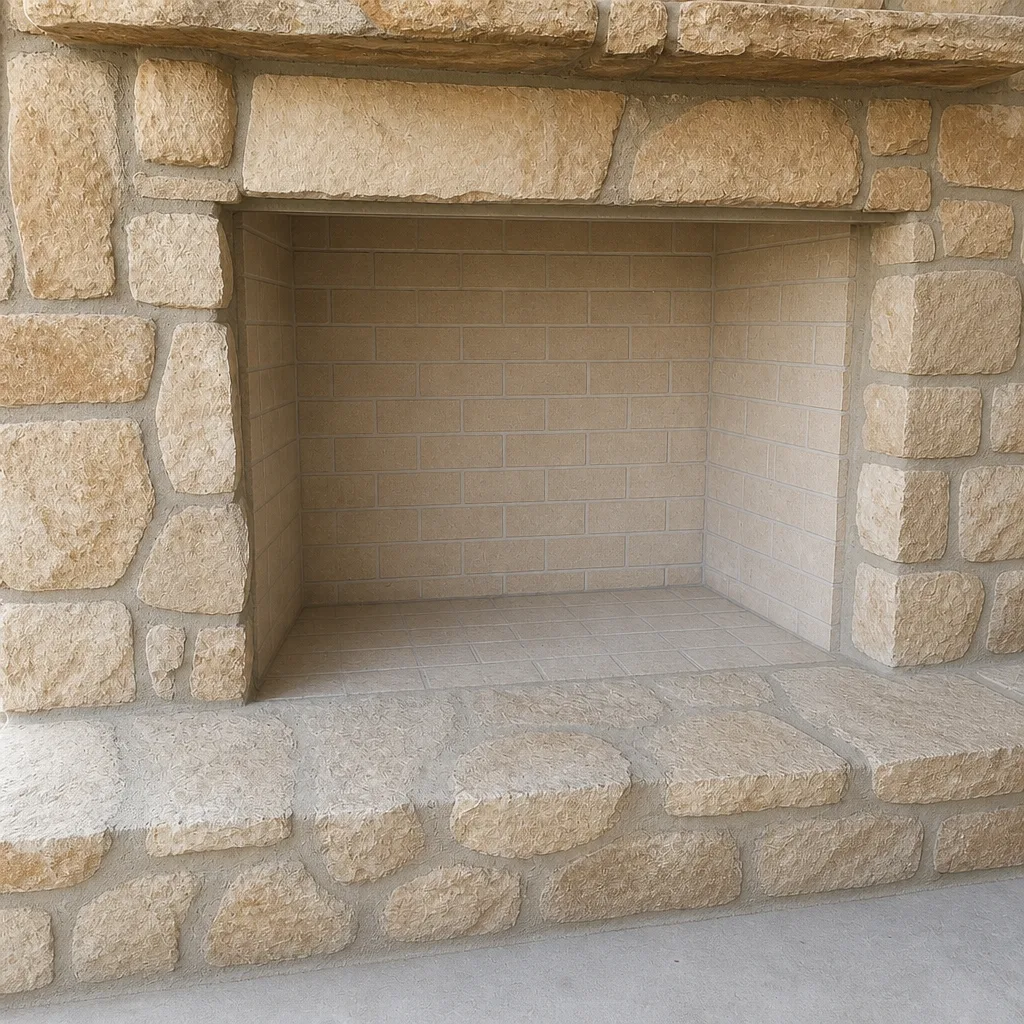
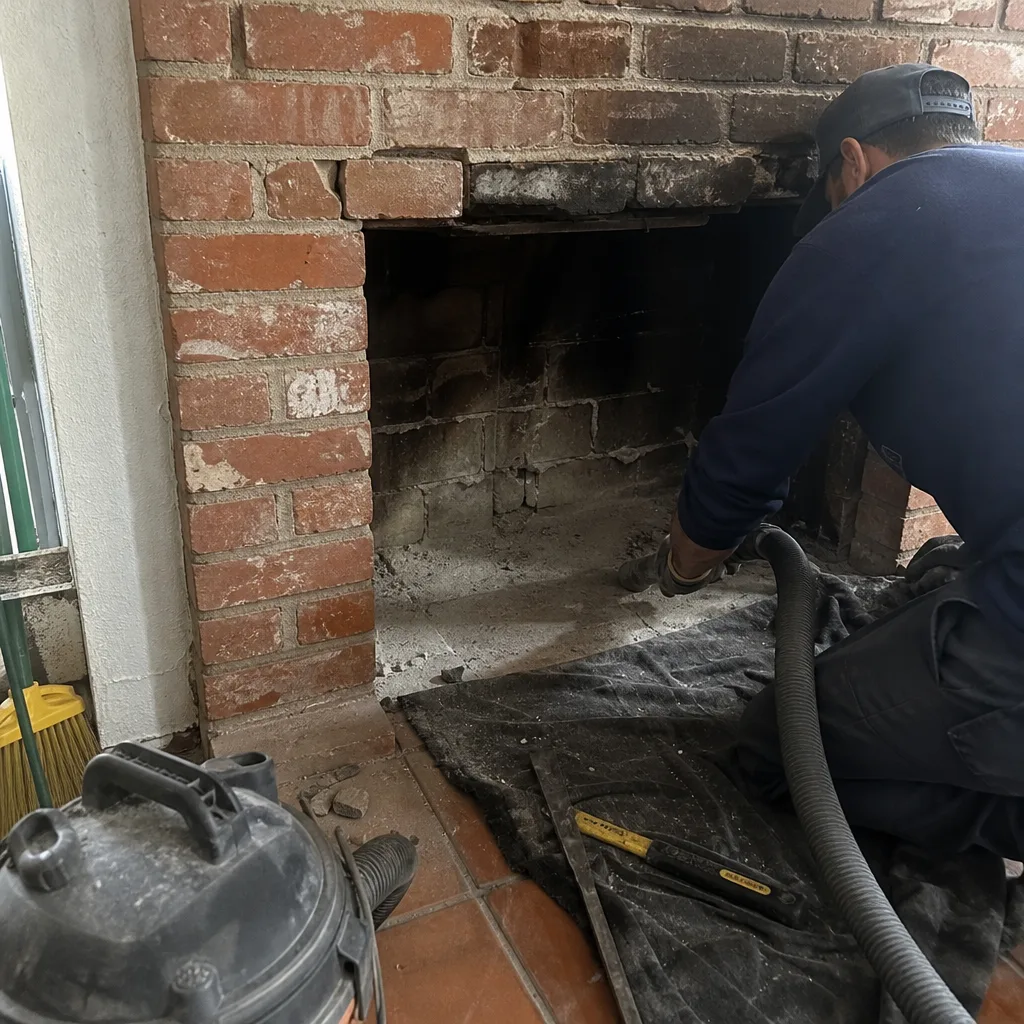
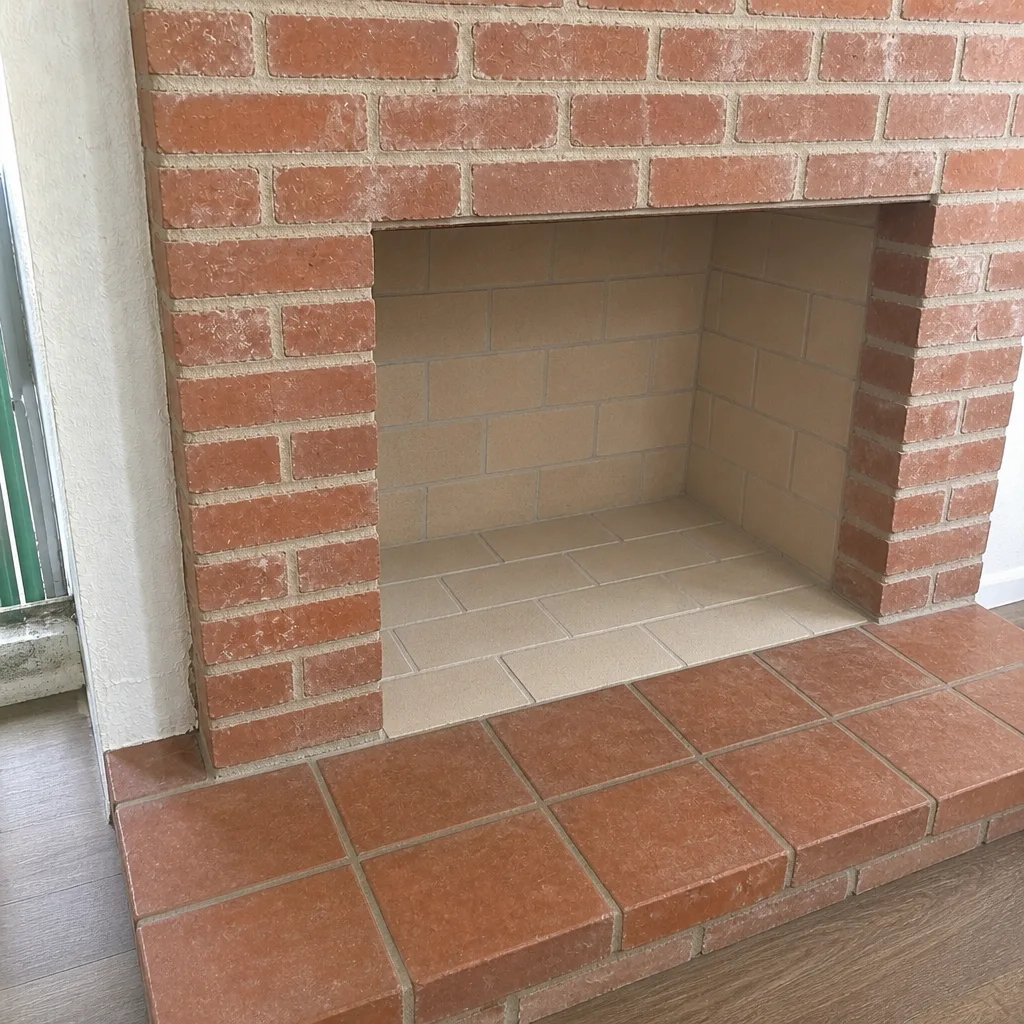
See the difference
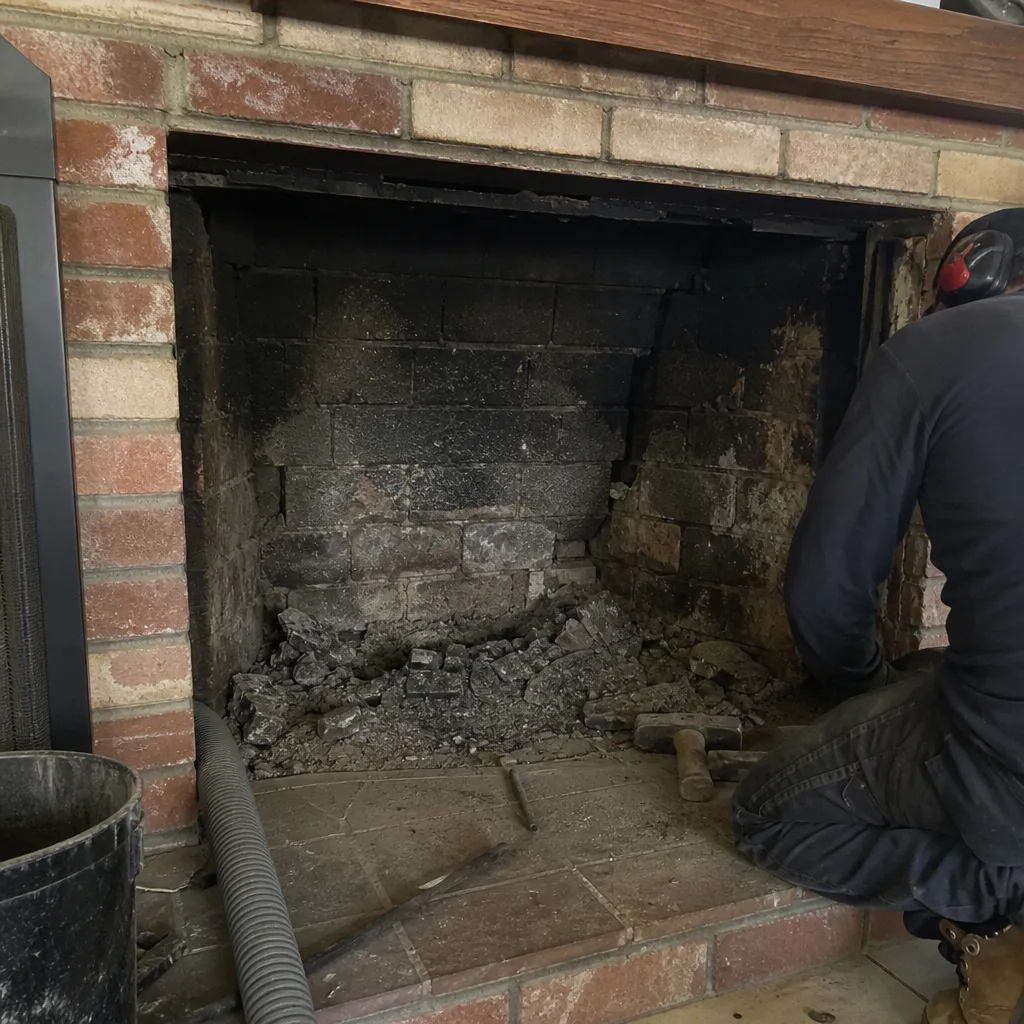 Before
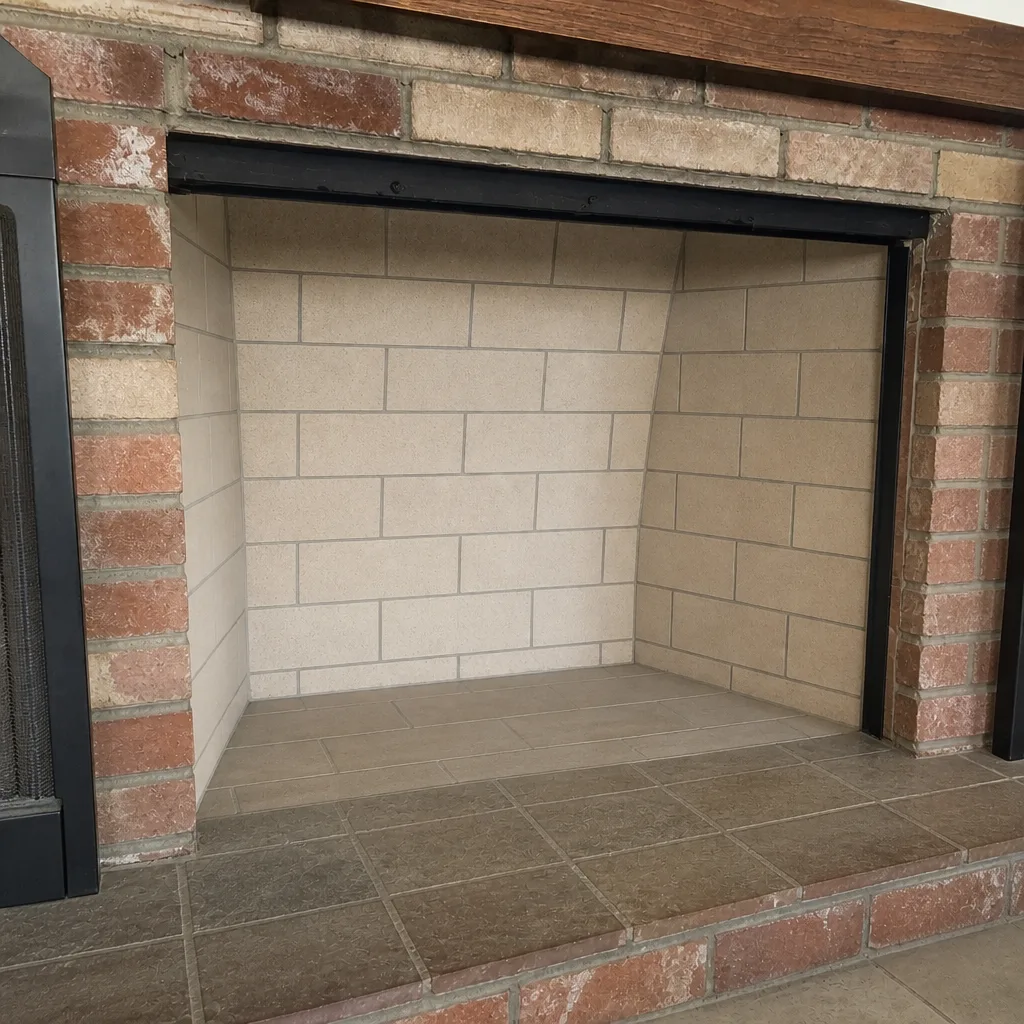 After
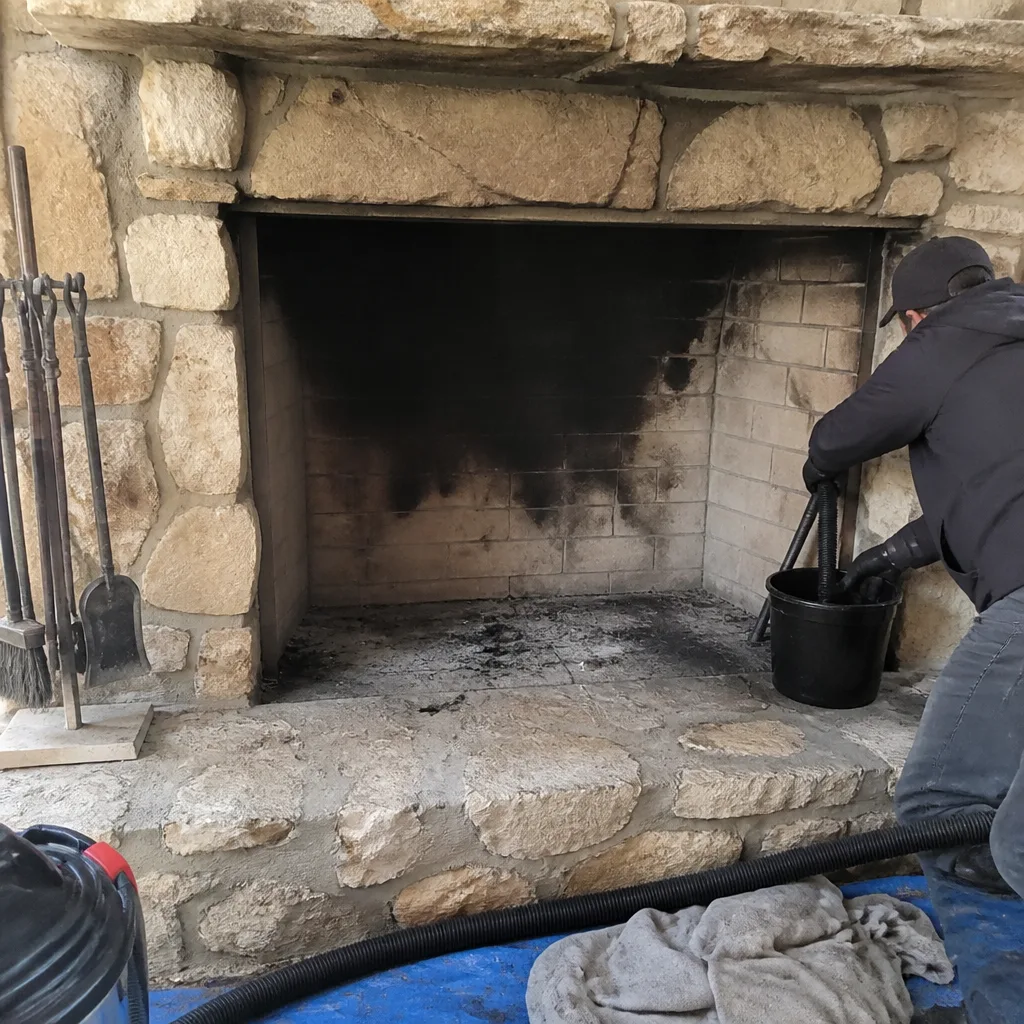 Before
 After
 Before
 After
When to Call a Professional
You should call a professional before you have an emergency. Schedule an inspection if you haven’t had the chimney camera-scanned in the past three years, if you’ve burned a wood stove or fireplace heavily without a sweep, if you see visible creosote buildup in the firebox, or if you smell a strong chemical odor when the fireplace is in use. You should call immediately after any chimney fire, even a small one, for a Level 2 camera inspection. You should call if your spark arrestor screen is visibly damaged, if your cap is loose, or if your damper no longer seals. You should call if you’re buying or selling a home in Apple Valley and the chimney condition is affecting the transaction. A professional inspection answers the question the same day, with documentation you can keep. Chimney Sweep Apple Valley offers free estimates in Apple Valley. Call (833) 901-6532. We answer 24/7. Fast dispatch from 7am to 7pm, Sunday through Friday.
Frequently Asked Questions
An active chimney fire typically sounds like a low, continuous rumbling or roaring noise, often compared to a freight train or a jet engine at a distance, with occasional popping or cracking. It’s distinctly louder and more mechanical than normal wood fire crackling. If you hear this sound, follow the 60-second response sequence: close the appliance air intake, call 911, and evacuate.
Once per year, before your burning season begins, is the standard recommendation for a fireplace or wood stove in regular use. If you burn frequently or burn softer woods, you may need a mid-season check. Apple Valley’s dry climate helps keep wood seasoned, but annual cleaning is still the baseline for fuel-load reduction. Call (833) 901-6532 to schedule an inspection with a free estimate.
You can visually inspect the cap from the ground with binoculars, which may reveal missing sections or visible damage. A closer inspection requires roof access, which carries fall risk on steep Apple Valley residential roofs. The mesh opening specification is 3/8 inch to 5/8 inch, and verifying that at roof level is best left to a professional with the right equipment and experience on ladders.
No, not always. A Level 2 camera inspection determines the extent of the damage. Minor damage may be repairable with HeatShield resurfacing, which restores cracked or spalled liner surfaces without a full reline. More extensive damage may require a new stainless liner, and Chimney Sweep Apple Valley installs DuraFlex liner systems for that work. The inspection report will show you the footage.
Yes. California Fire Code requires a spark arrestor with 3/8-inch to 5/8-inch mesh openings on every solid-fuel chimney. Apple Valley’s High Fire Hazard Severity Zone designation means enforcement is active, and insurance carriers in San Bernardino County often require photo documentation. A missing or damaged screen is a code violation and an ember entry point during wildfire events.
Close the damper if the fireplace is not in use, close all windows and doors, and follow evacuation orders from local authorities. A properly installed spark arrestor screen is your first line of defense against ember entry. If your screen is damaged or missing, note that your home is at elevated risk during a wind-driven ember event, and have the cap replaced as soon as the situation allows. For cap inspection and replacement, call (833) 901-6532 for a free estimate.
The Bottom Line
Chimney emergency preparedness in Apple Valley is not about luck. It’s about two things: knowing the 60-second response to an active chimney fire, and closing the ember-entry vulnerability before wildfire season. Know the sound of a chimney fire. Know the four actions. Know why the damper is not the first thing you touch. Verify your spark arrestor screen meets California’s mesh specification, and replace it if it doesn’t. After any flue fire, get a Level 2 camera inspection before the next fire. Document your chimney’s condition every fall with photos and service records. These steps won’t guarantee you never have a chimney emergency, but they will determine how that emergency ends. In Apple Valley, where wildfire risk is a year-round planning factor, that’s the difference between a contained flue fire and a structural fire. It’s a distinction worth preparing for.
Written by the team at Chimney Sweep Apple Valley, serving Apple Valley since 2018.