
Last updated November 4, 2026
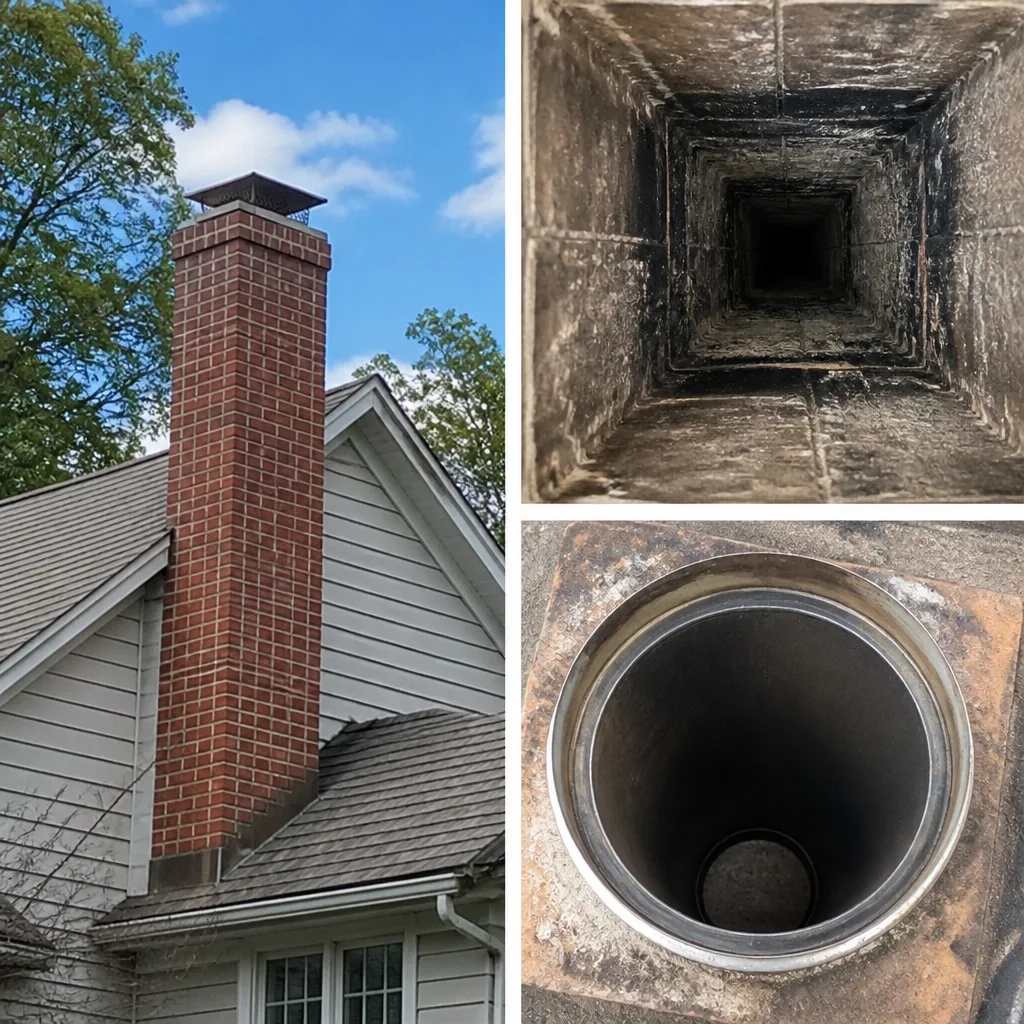 Sweep & inspection
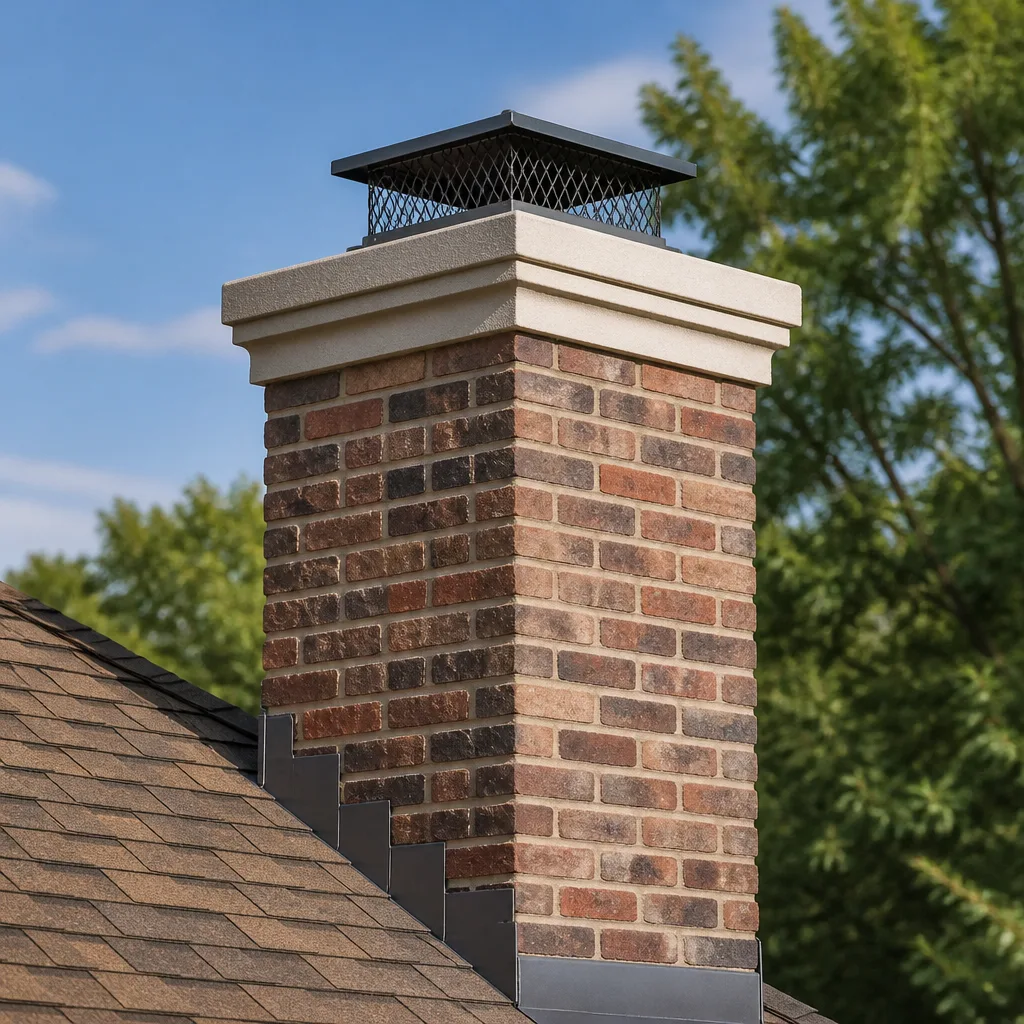 Caps & crowns
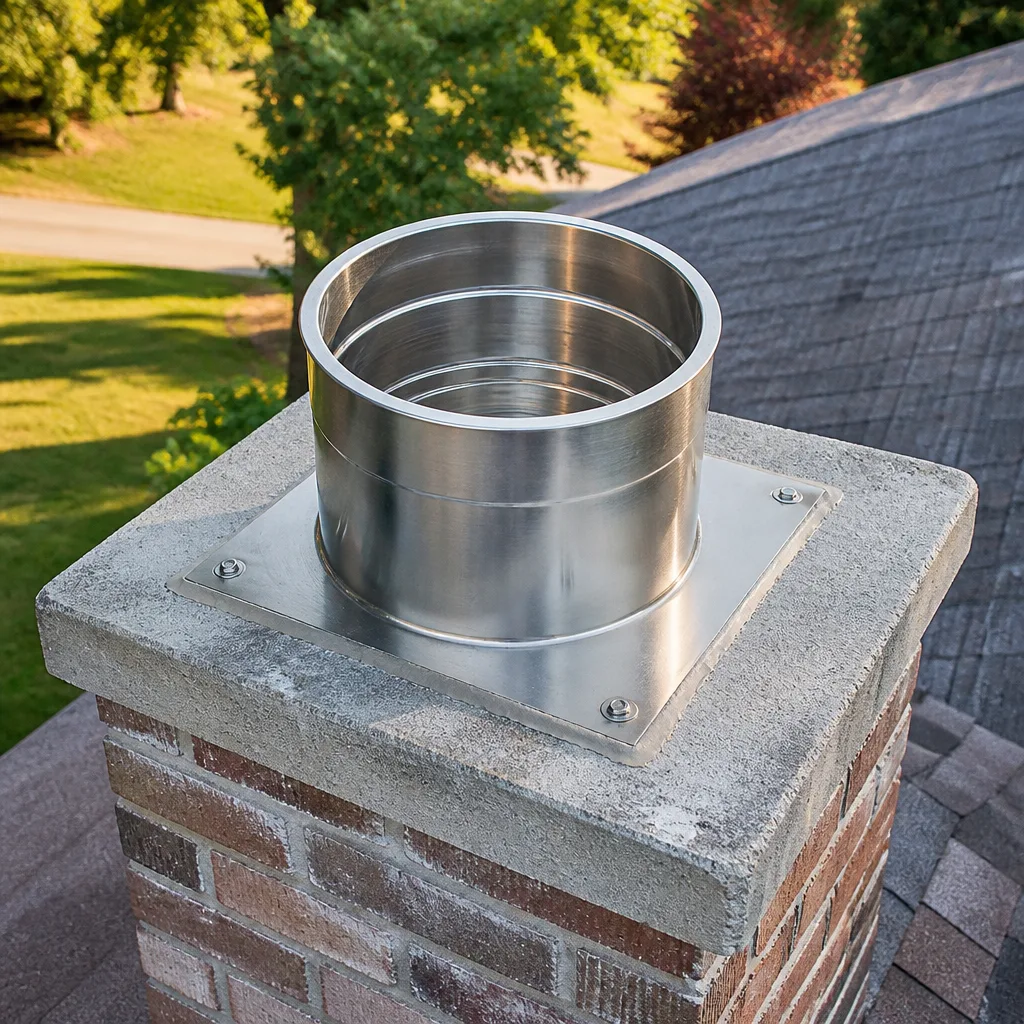 Flue relining
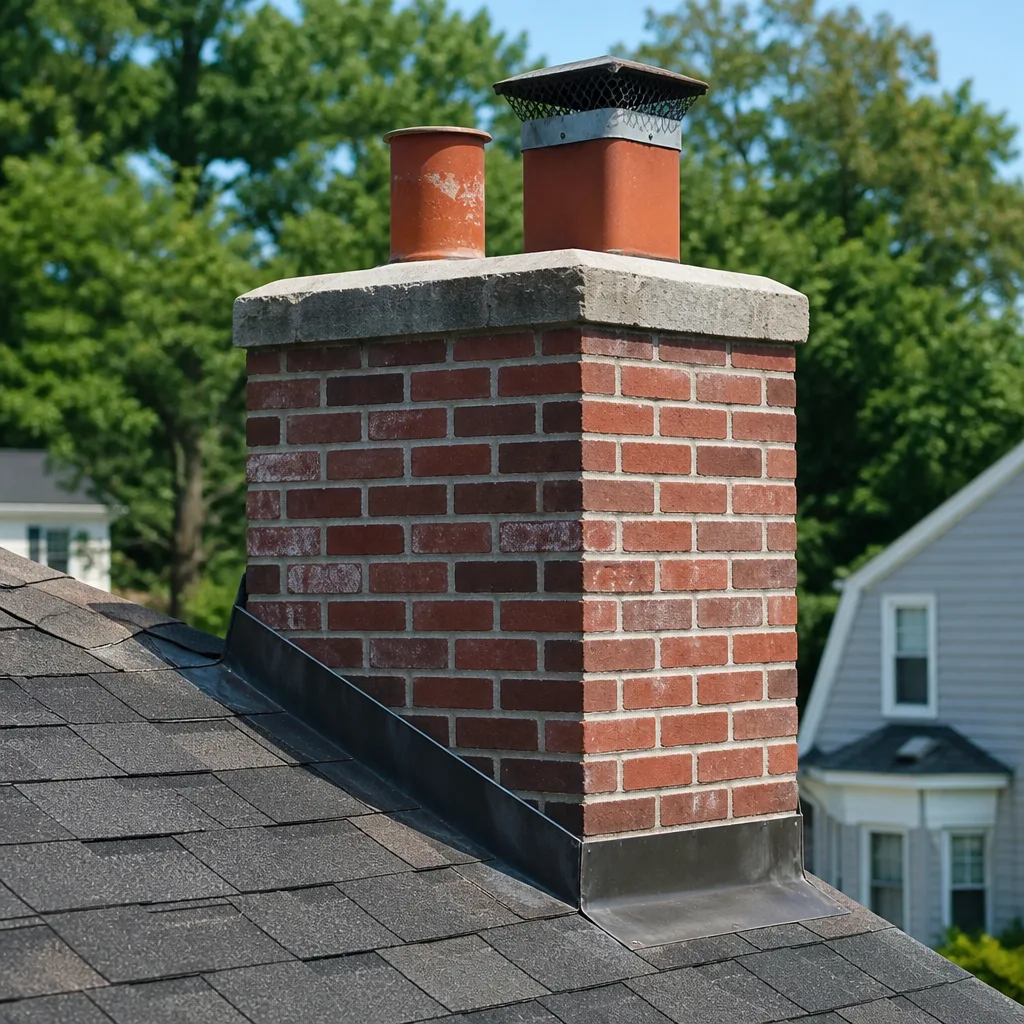 Masonry repair
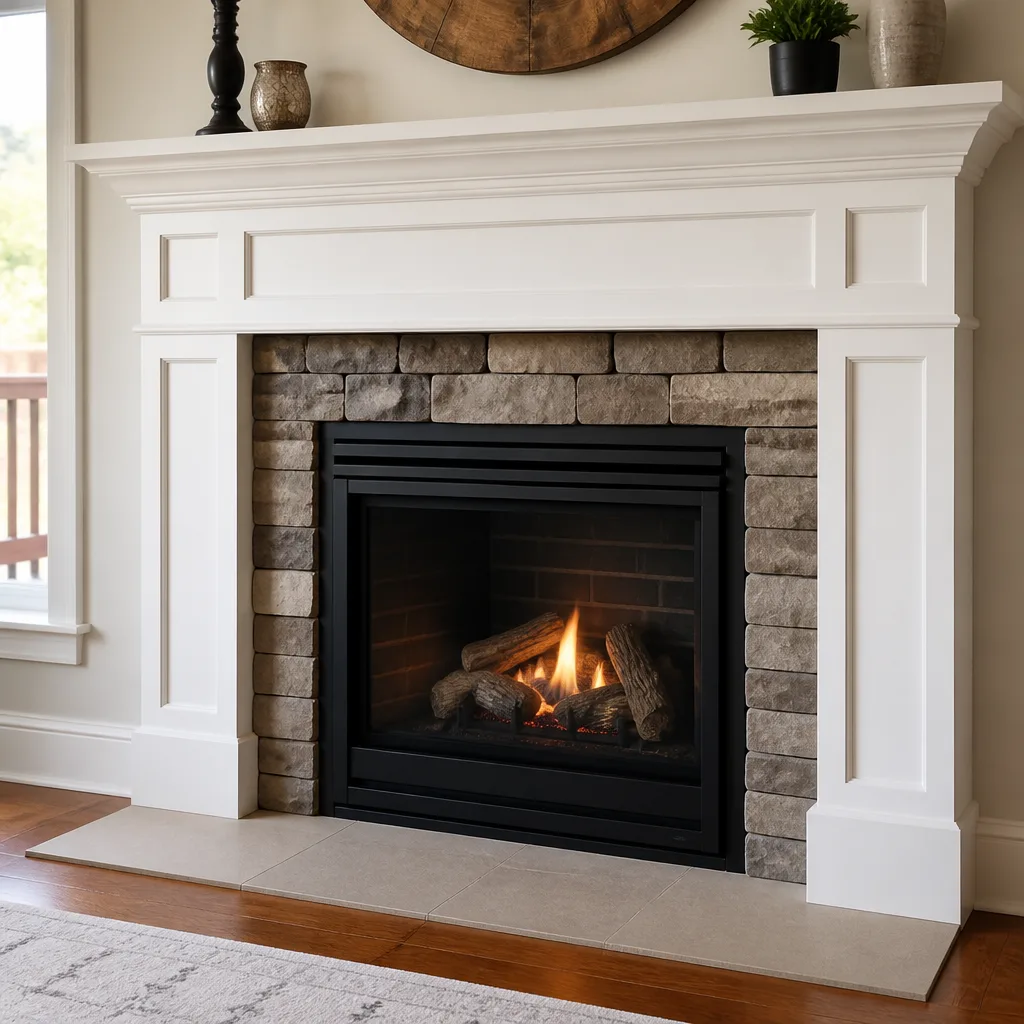 Gas fireplace service
Level 1 sweep and inspection to the NFPA 211 annual standard - flue, crown, cap, and flashing checked and photographed
Chimney sweep logs do not sweep chimneys. They loosen some creosote - which then falls where a brush and vacuum still have to collect it.
Chimney Cleaning Permits, Codes & Inspections in Apple Valley, CA: What You Need to Know
A chimney relining done without a San Bernardino County permit isn’t just a code violation. It’s a material fact that must be disclosed when you sell the home, and an omission that can void a homeowner’s fire insurance claim if the system contributed to a loss. Most people assume chimney work is unregulated because sweeping never requires paperwork. That assumption falls apart the moment the job moves from cleaning to repair. This guide covers which Apple Valley chimney services are permit-exempt, which trigger code enforcement, how MDAQMD rules affect your fireplace, and what a real inspection report should document.
Quick Answer
Routine chimney sweeping and dryer vent cleaning in Apple Valley require no permit from San Bernardino County. Relining, crown replacement, firebox repair, or structural masonry work generally requires a building or mechanical permit through the County’s Land Use Services department. MDAQMD rules restrict wood burning on high-pollution days across the High Desert, and a CSIA Level 2 inspection is the standard document for real estate transactions involving fireplaces.
Styles & brands we work with
- Sweep & inspection
- Caps & crowns
- Flue relining
- Masonry repair
- Gas fireplace service
Table of Contents
- Which Chimney Services Are Permit-Exempt in San Bernardino County
- Which Chimney Services Require a Permit
- California Mechanical Code Section 802 and Older Apple Valley Homes
- MDAQMD Rules for Wood Burning in the High Desert
- What a CSIA Level 2 Inspection Actually Documents
- How to Pull Permit History on an Apple Valley Property
- What These Services Typically Cost in Apple Valley
- Common Mistakes to Avoid
- When to Call a Professional
- Frequently Asked Questions
Which Chimney Services Are Permit-Exempt in San Bernardino County
San Bernardino County building codes draw a clear line between maintenance and modification. A standard chimney sweep that removes creosote, soot, and debris from an existing flue is maintenance. No permit, no inspection, no filing. The same applies to dryer vent cleaning, which we handle alongside chimney work for Apple Valley homeowners who want both fire-safety tasks done in one visit.
Permit-exempt chimney services include:
- Chimney sweeping – mechanical brushing and vacuum removal of creosote from an existing flue
- Dryer vent cleaning – clearing lint from the exhaust path between dryer and exterior termination
- Flue inspection – camera inspection and written condition report on the existing system
- Cap and damper replacement – swapping a worn cap or damper on an existing flue when the flue itself is unchanged
- Minor crown sealing – filling small cracks in a concrete crown with flexible sealant without altering structure
The reason this matters for Apple Valley ownership is that unpermitted work in the wrong category creates title problems later. A homeowner who replaces a cap is fine. A homeowner who has a contractor remove and rebuild the entire crown without a permit has created a disclosure obligation that follows the property. Knowing which list your project falls on is the first step to staying clean.
Which Chimney Services Require a Permit
Any work that changes the chimney’s structure, venting capacity, or fire-resistance assembly triggers a permit through San Bernardino County Land Use Services. This is not a local quirk. The California Mechanical Code and the California Building Code both treat chimneys as part of the building envelope and structural system, not as standalone appliances.
Services that typically require a permit in Apple Valley:
- Flue relining – installing a new stainless liner, cast-in-place liner, or clay tile system changes the venting characteristics and requires a mechanical permit
- Crown replacement – removing and rebuilding the concrete crown is structural work on the chimney top
- Firebox repair – rebuilding the fireplace firebox with new refractory materials alters the appliance’s combustion chamber
- Masonry reconstruction – rebuilding any portion of the brick or block structure
- Chase cover replacement on factory-built systems – when the chase is part of the building framing
- Converting fuel types – switching from wood to gas or vice versa changes clearance and venting requirements
Our work with DuraFlex flexible stainless liner systems comes up most often here. When an Apple Valley flue has cracked clay tiles or missing mortar joints, a DuraFlex reline is the long-term fix. But the installation is not a cleaning. Homeowners should expect the contractor to pull the permit, schedule the inspection, and stand behind the work when the County inspector arrives. A contractor who offers to “skip the paperwork to save you money” is transferring legal risk onto you.
California Mechanical Code Section 802 and Older Apple Valley Homes
Apple Valley has a large stock of homes built between the 1960s and 1990s, many with masonry fireplaces and clay tile flues that predate current clearance and venting standards. California Mechanical Code Section 802 governs venting systems for fuel-burning appliances, and older installations often fall short of what the code now requires for clearances to combustibles, flue sizing, and termination height.
What CMC 802 means practically: the code sets minimum distances between the flue and combustible framing, requires proper termination above the roofline, and mandates that venting systems be sized to the appliance they serve. An Apple Valley home built in 1975 with a hand-laid clay flue may have passed inspection then but would not pass a 2026 review. That does not make it automatically dangerous. It does mean that any significant repair on that system gives the County reason to require bringing the whole assembly up to current code.
Pre-code installations are common here, and they’re not something to ignore. We see Apple Valley chimneys where the flue was assembled with mismatched clay tile sections, or where clearances to ceiling framing are tighter than current standards allow. When we specify products like HeatShield to resurface a deteriorating flue, one of the benefits is that the material restores a continuous, insulated surface inside the existing masonry, addressing the performance gaps without a full rebuild. Whether a full reline with DuraFlex is required depends on the flue’s condition, which is why a camera inspection matters before any recommendation.
MDAQMD Rules for Wood Burning in the High Desert
The Mojave Desert Air Quality Management District (MDAQMD) regulates wood burning in Apple Valley and the surrounding High Desert region. Winter air inversions here trap particulate matter close to the ground, and residential wood burning is a significant contributor on those days. MDAQMD issues no-burn alerts during high-pollution periods, and those alerts apply to Apple Valley addresses.
What homeowners need to know:
- No-burn days apply to residential fireplaces unless the fireplace is the home’s sole source of heat
- Gas inserts and gas fireplaces are generally exempt from no-burn restrictions
- EPA-certified wood stoves and fireplace inserts have different compliance thresholds than open-hearth fireplaces
- Burning trash, treated wood, or construction debris is always prohibited regardless of air quality conditions
- Fines for violations are real and MDAQMD enforcement includes citizen complaint response
A clean chimney burns more efficiently and produces less particulate matter. That’s a factual point worth restating: creosote buildup restricts airflow, and restricted airflow creates the smoldering conditions that produce the most visible smoke. An annual sweep in Apple Valley is not just fire safety. It’s the single most effective step a homeowner can take to stay within the spirit and letter of MDAQMD rules while still using their fireplace.
What a CSIA Level 2 Inspection Actually Documents
The Chimney Safety Institute of America defines three inspection levels, and Level 2 is the standard for real estate transactions, changes to the system, and any event that may have damaged the chimney. In Apple Valley, where home sales frequently involve fireplaces, a Level 2 inspection functions as due diligence.
A Level 2 report documents:
- Accessible portions of the flue interior via video scan, including the condition of the liner material and visible cracks or gaps
- Clearances to combustibles in the attic and at ceiling and floor penetrations where accessible
- The condition of the chimney crown including cracks, spalling, and proper drip edge overhang
- The condition of the cap and spark arrestor if present
- Firebox condition including refractory panel integrity and mortar joints
- Evidence of moisture intrusion including efflorescence, staining, or liner deterioration patterns
- Appliance connector condition for gas inserts and factory-built systems
The value of this report in a transaction is that it gives both parties a written, dated record of the chimney’s condition. Buyers in Apple Valley are increasingly asking for a Level 2 before closing, and sellers who have one ready avoid negotiation delays. Our camera inspection process produces the same documentation for homeowners who want a baseline before deciding whether repair work is urgent or can wait.
How to Pull Permit History on an Apple Valley Property
San Bernardino County maintains permit records that can be searched by address. This is the same system contractors use to check whether prior work was permitted. Pulling the chimney-related permit history before buying a home in Apple Valley, or before listing one, tells you what the seller has already done and whether it was done legally.
The process works like this:
- Visit San Bernardino County Land Use Services online and use the permit search tool to enter the property address
- Review the permit list for any mechanical permits referencing chimneys, fireplaces, liners, or venting. The permit descriptions may be brief, but look for any permit pulled by a chimney contractor
- Compare the permit list to the physical condition of the chimney. A relined flue should have a corresponding permit. A rebuilt crown should too. Gaps between the physical condition and the paper trail are red flags
- Request the inspection records for any chimney permits. County records show whether the final inspection was signed off. A permit without a final inspection is an open item
- Ask the seller about gaps. If the chimney clearly had a new liner installed and no permit exists, that’s a disclosure issue the seller must resolve before transfer
Chimney-related permit gaps signal deferred maintenance. A seller who skipped a permit on a reline often skipped other things too. In our experience across Apple Valley, homes with clean permit histories tend to have chimneys that were maintained regularly. Homes with gaps tend to have compound issues: a cracked crown, a deteriorating liner, and a damper that hasn’t been replaced since the Clinton administration. The paper trail tells a story before we ever set up a ladder.
What These Services Typically Cost in Apple Valley
Costs vary by flue size, accessibility, and current condition, but homeowners in Apple Valley should expect these ranges as starting points:
- Standard chimney sweep: $189 – $289 for a single-flue masonry fireplace
- Dryer vent cleaning: $99 – $199 depending on the run length and outlet location
- Camera inspection (with sweep or standalone): $75 – $150 for a video scan and written report
- CSIA Level 2 inspection: $250 – $450 for a full documented inspection with video
- HeatShield resurfacing: $2,500 – $5,000 depending on flue height and accessibility
- DuraFlex stainless relining: $3,500 – $7,500 for a typical single-story Apple Valley chimney
- Crown replacement: $1,200 – $3,000 for a standard-sized masonry crown
- Firebox rebuild: $2,000 – $5,000 depending on size, materials, and access
These are written-estimate figures. The final price is set by the written estimate after we’ve seen the flue, measured it, and confirmed what the job actually requires. A chimney that looks simple from the street can have a flue that is out of round, a crown that is failing, or clearance problems in the attic that only a camera reveals. We don’t bid sight unseen, and no one else should either.
One note about Apple Valley specifically: many homes here are single-story with accessible roofs and straightforward flue runs. That keeps sweeping and inspection costs on the lower end of these ranges. Multi-story homes, steep roof pitches, and restrictive chase designs push labor upward. The MDAQMD no-burn season also creates predictable demand, so booking in spring and summer gives homeowners scheduling flexibility and often better pricing than waiting until November.
Common Mistakes to Avoid
- Treating a reline like a cleaning. The moment a liner is installed or a firebox is rebuilt, you’re in permit territory. If a contractor says no permit is needed for a reline, get a second opinion before the work begins.
- Buying a home without a Level 2 inspection. Apple Valley real estate moves fast, and skipping the chimney inspection saves a few days but can cost thousands in post-closing repairs. The standard home inspection does not include a video flue scan.
- Burning on a no-burn day because “everyone does it.” MDAQMD enforcement does happen in Apple Valley, and citations come with fines. A clean flue reduced particulate output, and that’s a defensible position if questions ever come up.
- Ignoring a cracked crown because “it’s just concrete.” The crown sheds water around the flue. A failed crown lets moisture into the masonry, and moisture is what turns an intact chimney into a reline candidate. Sealing a crown early costs a fraction of a rebuild.
- Accepting a low bid without checking permit status. A cheap reline that was never permitted becomes a disclosure problem and an insurance problem. The savings on the front end get paid back with interest at closing.
- Skipping the dryer vent because “it’s not a chimney.” Dryer lint is a more common fire cause in the High Desert than most people realize, and lint can’t build up the way it does here in dry air with long vent runs. Dryer vent cleaning belongs on the same annual checklist.
- Assuming pre-code means grandfathered forever. San Bernardino County does not require you to upgrade an untouched pre-code system. But the moment you modify it, the new work must meet current code. Homeowners who understand this before starting a repair make better decisions about scope.
When to Call a Professional
Some chimney questions in Apple Valley are settled by reading a permit list or checking MDAQMD rules. Others require a trained eye and a camera. Call a professional when the flue has visible cracks, when water stains appear on the ceiling near the chimney, when smoke enters the room during fires, when the damper won’t operate, or when you’re buying or selling a home with a fireplace and need a Level 2 report that will stand up in a transaction. These are not guessed at from the ground. They’re measured, scoped, and documented. Chimney Sweep Apple Valley offers free estimates in Apple Valley. Call (833) 901-6532. We answer 24/7. Fast dispatch from 7am to 7pm, Sunday through Friday.
Frequently Asked Questions
A standard chimney sweep in Apple Valley typically costs $189 to $289 for a single-flue masonry fireplace. The price is set by written estimate, not by a flat rate. Flue height, roof access, and the amount of creosote buildup all affect the final figure. Call (833) 901-6532 for an exact quote. Estimates are free.
Yes, a chimney relining generally requires a mechanical permit through San Bernardino County Land Use Services. Relining changes the venting characteristics of the system and falls under the California Mechanical Code. The contractor should pull the permit and schedule the County inspection as part of the job.
A CSIA Level 2 inspection is a video-documented evaluation of the flue interior, clearances, crown, cap, and firebox, and it’s the standard inspection for real estate transactions in Apple Valley. You need one when buying or selling a home with a fireplace, after a chimney fire, or before changing fuel type from wood to gas.
No. MDAQMD issues no-burn alerts in the High Desert during winter air inversions, and residential fireplaces in Apple Valley are included in those restrictions. Gas inserts are generally exempt. Check MDAQMD before lighting a fire between November and February.
Maybe. Cracked clay tiles do not automatically mean a full reline. A camera inspection tells us whether the cracks are isolated or systemic. HeatShield resurfacing addresses many deteriorating flues at lower cost than a full DuraFlex reline. The answer depends on what the camera shows, not on a guess from the roof.
Annually, at a minimum, for wood-burning fireplaces used regularly during winter. The High Desert’s dry air doesn’t reduce creosote, and Apple Valley homes with softwood burning habits often see buildup faster than homeowners expect. Gas fireplaces need less frequent sweeping but still benefit from an annual inspection of the venting and appliance connector.
The Bottom Line
Apple Valley chimney work splits cleanly into two categories. Sweeping, inspection, and dryer vent cleaning need no permit and no County involvement. Relining, crown replacement, firebox repair, and structural masonry work require San Bernardino County permits, and skipping them creates disclosure and insurance liabilities that follow the property. MDAQMD no-burn rules apply to wood burning here throughout winter inversion season. A documented Level 2 inspection is the standard for real estate transactions. Pull the permit history before you buy, and keep the chimney clean before you burn.
Written by the team at Chimney Sweep Apple Valley, serving Apple Valley since 2018.
See the difference
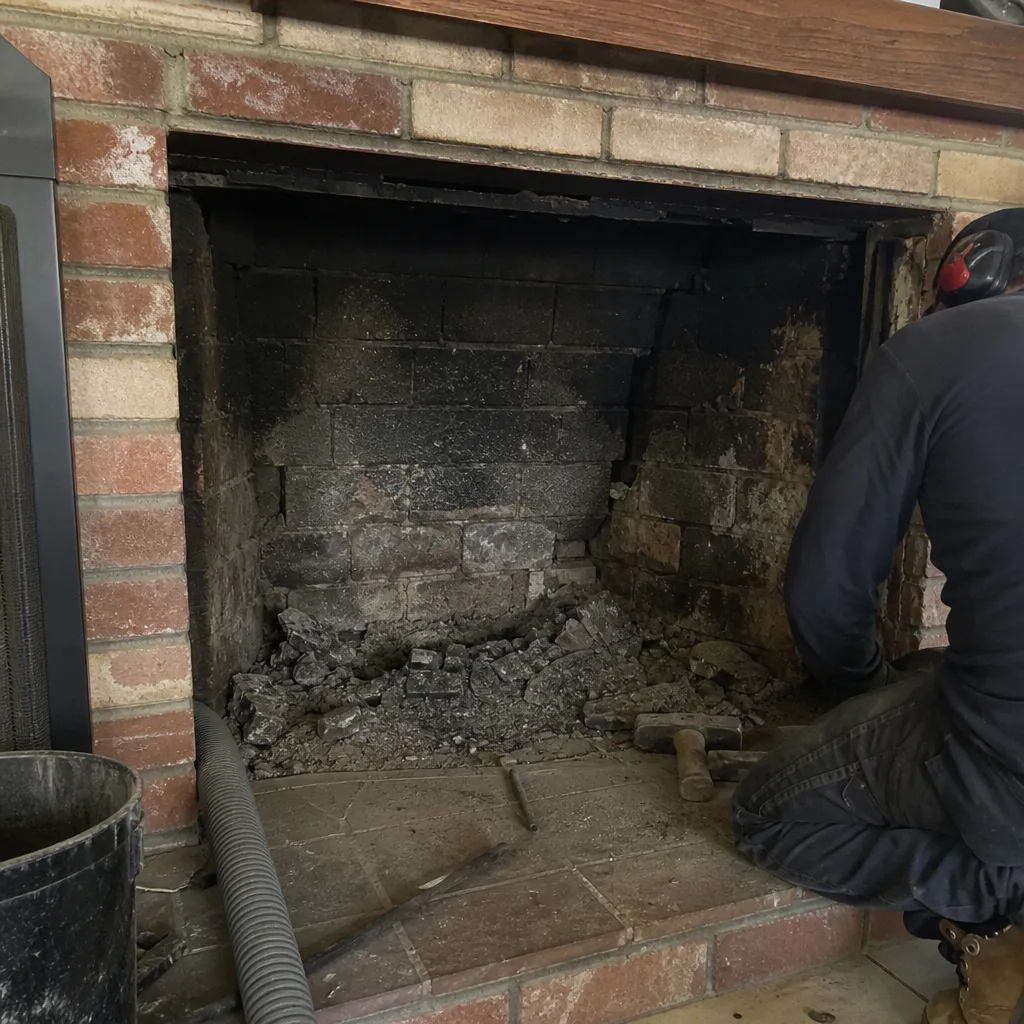 Before
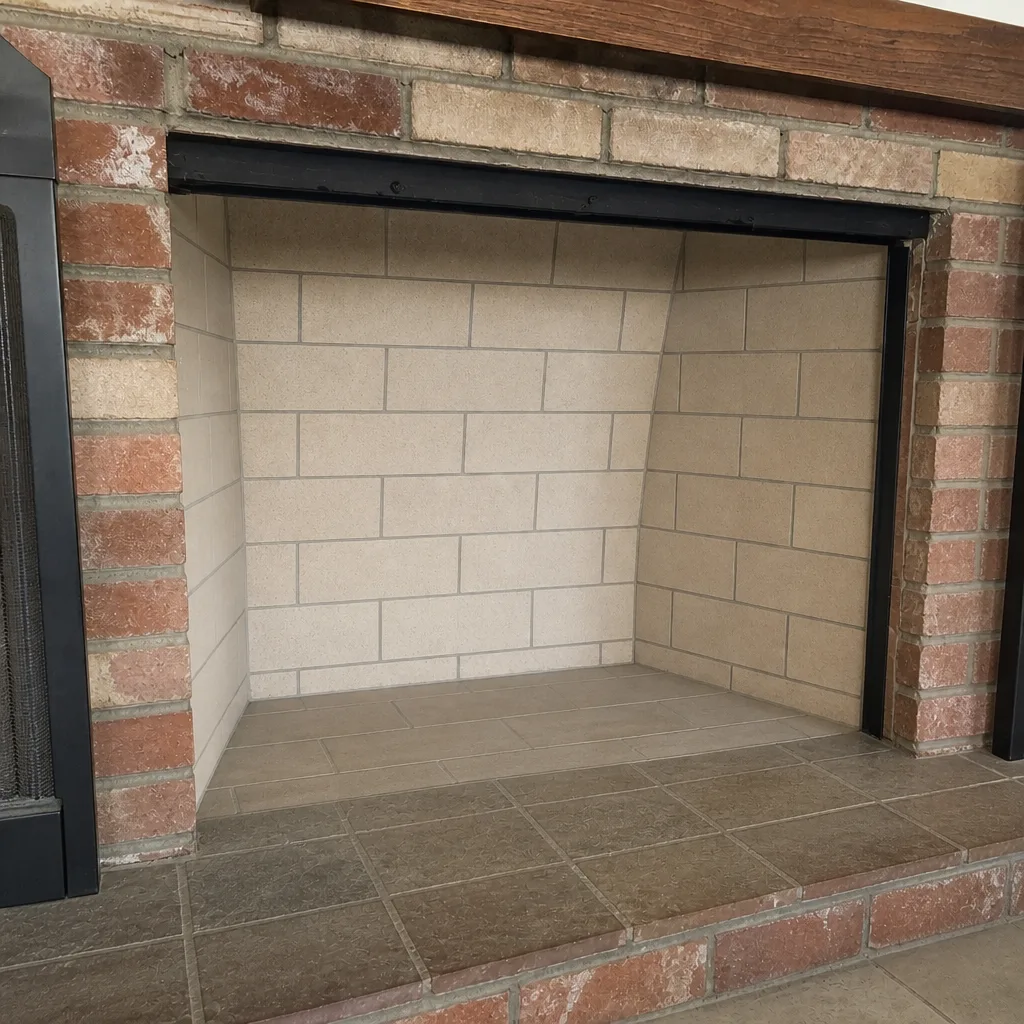 After
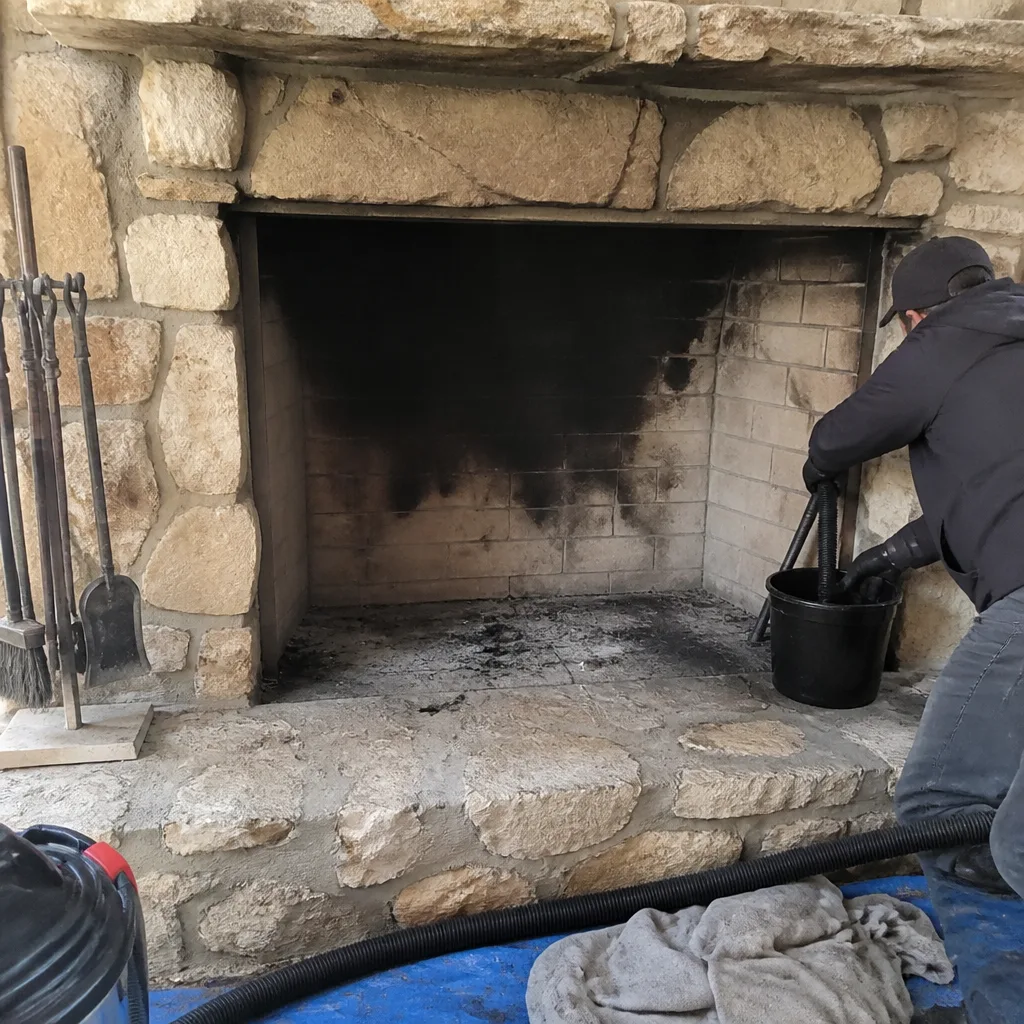 Before
 After
 Before
 After